Rethinking Health: How Physical Activity Is Shaping the Future of Prevention and Care
08/20/2026 | News
23rd Annual Conference of the dvs-Kommission Gesundheit, 3–5 September, 2026, at the German Sport University Cologne
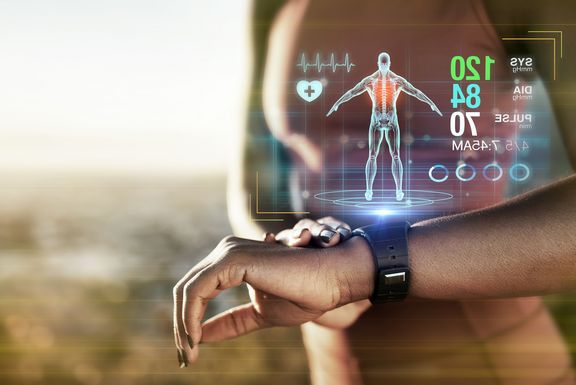
Smartwatches, fitness apps, or digital rehabilitation programs: Today, digital technologies support millions of people in their sports activities and daily lives. They count steps, analyze sleep, or create workout programs. Nevertheless, many people still do not get enough exercise.
Technology is advancing rapidly—but does it actually help make people healthier? Can digital tools effectively help prevent common diseases such as diabetes, cardiovascular disease, or obesity? And how will artificial intelligence transform prevention and rehabilitation in the future? These are the questions to be addressed at the 23rd Annual Conference of the Kommission Gesundheit der Deutschen Vereinigung für Sportwissenschaft (dvs), which will take place from 3 to 5 September, 2026, at the German Sport University Cologne. Under the theme “Smart Health and Sports Science—The Future of Health Promotion, Prevention, and Rehabilitation?”, researchers from Germany and abroad will discuss current research findings and future prospects for healthy living in an increasingly digitized society.
The focus will be on questions such as:
- How can digital technologies motivate people to be more active?
- What opportunities and limitations do wearables and digital health applications offer?
- How can scientific findings be better applied to prevention, therapy, and rehabilitation?
Highlights of the scientific program include three international keynote presentations:
- Prof. Carol Maher (Adelaide University, Australia) will demonstrate how health apps and digital exercise programs can make the leap from research into patients’ everyday lives.
- Prof. Dr. Moritz Schumann (Technical University of Munich) will explore what smartwatches and fitness trackers actually reveal about our health.
- Prof. Dr. Ansgar Thiel (German Sport University Cologne) will address the question of how health promotion can succeed as work, leisure, and physical activity increasingly take place in the digital realm.
In addition to a total of 99 presentations by scientists, another highlight of the program is the Young Investigator Award, where early-career researchers present their work. An extensive poster session provides an overview of current developments and innovative research projects and offers the opportunity to engage directly with researchers and discover topics of high societal relevance.
Possible topics for your coverage
Are you looking for experts on the major health issues of our time? Then come to the German Sport University Cologne. Possible topics for your coverage at the conference include:
- Can AI motivate people to be more active?
- How useful are smartwatches from a medical perspective?
- Physical activity as “medicine” for diabetes, cancer, or depression
- Aging healthily through physical activity
- Digital Prevention: What Works Scientifically?
Invitation to the Media
Media representatives are cordially invited to attend the conference. Participation is free of charge, but prior accreditation is required.
In addition, the keynote speakers will be available for interview questions for 30 to 45 minutes following their respective presentations. If you are a journalist interested in this, please contact the person designated for interview requests.
Media Accreditation and Interview Requests:
Chuck Tholl
Phone: +49 221 4982-8724
Email: c.tholl(at)dshs-koeln.de
Conference Office:
Dr. Berit Labott
Phone: +49 221 4982-7116
Email: info(at)dvs-gesundheit2026.de
Further information on the program can be found on the conference website and in our conference flyer.
The conference is organized under the direction of Univ.-Prof. Dr. Bettina Wollesen (Vice President for Health & Physical Activity at the dvs) from the Institute for Exercise Therapy and Exercise-Oriented Prevention and Rehabilitation at the German Sport University Cologne.