SOPROS | Assessing, Evaluating and Implementing Athletes' Social Protection in Olympic Sports
Project Leader
Prof. Dr. Jürgen Mittag
Project Coordinator
Dr. Maximilian Seltmann
Project Staff
Lorenz Fiege M.A.
Project Period
January 2023 – December 2025
Project Funding
European Commission, Reference 101090790, Project Card
DECLARATION ON ATHLETES’ SOCIAL PROTECTION
The DECLARATION ON ATHLETES’ SOCIAL PROTECTION AND SOPROS PARTNERS’ COMMITMENTS constitutes the summary of the joint learnings and takeaways from the SOPROS Project.
The Declaration translates the findings of of the SOPROS Evaluation Report into seven fundamental statements about athletes' social protection. The Declaration was jointly adopted as an outcome of a collective negotiation process among the project partners, meeting the criteria of social dialogue, and was signed at the SOPROS Final Conference in Brussels on 9 December 2025. It aspires to inspire policy action at various levels and by various stakeholders.
In addition, the SOPROS Partners enshrine their individual and joint commitments to supporting the implementation of athletes' social protection.
The DECLARATION ON ATHLETES’ SOCIAL PROTECTION is open for endorsement by public authorities, sport governing bodies, athlete organisations, employers, civil society, academic institutions, commercial actors, and individual athletes. The project partners invite all stakeholders involved in the regulation and implementation of athletes' social protection to endorse the Declaration and to formulate and enshrine institutional and personal commitments.
- Nikolaas Lambers (personal capacity) - 11 December 2025
- Roberto Dória Durão on behalf of Associação Atletas Olímpicos Portugal (personal and institutional capacity) - 16 December 2025
- Yusufcan Keskin on behalf of Istanbul Rumeli University (personal and institutional capacity) - 16 December 2025
- Gino Schilders (personal capacity) - 16 December 2025
- Ruby Ann Kagaoan on behalf of CONIFA Asia and Oceania / Confederation of Independent Football Associations (CONIFA) (personal and institutional capacity) - 16 December 2025
- Rob Koehler on behalf of Global Athlete (personal and institutional capacity) - 16 December 2025
- Sikhumbuzo Ndebele (personal capacity) - 17 December 2025
- Dr Geoffery Z. Kohe on behalf of University of Kent (personal and institutional capacity) - 18 December 2025
- Rui Vieira (personal capacity) - 18 December 2025
- Bogdan Zdrojewski MEP on behalf of the European Parliament (personal and institutional capacity) - 18 December 2025
- Ricardo Carvalho on behalf of Social Innovation Sportshub (personal and institutional capacity) - 18 December 2025
- Ann-Sophie Duyck on behalf of United Athletes (personal and institutional capacity) - 18 December 2025
- AIP - Associazione Italiana Pallavolisti (institutional capacity) - 19 December 2025
- Ekain Zubizarreta (personal capacity) - 27 December 2025
- Oliver Schubert (personal capacity) - 15 January 2026
- Zoran Primorac on behalf of Croatian Table Tennis Association (personal and institutional capacity) - 23 January 2026
- Blanka Vlašić (personal capacity) - 23 January 2026
- Romana Caput-Jogunica (personal capacity) - 26 January 2026
- Snježana Pejčić and Vlado Šola on behalf of Croatian Olympic Committee (personal and institutional capacity) - 26 January 2026
- Bruno Erent (personal capacity) - 03 February 2026
- Katja Luketić on behalf of Sports Association of Primorje-Gorski Kotar County (personal and institutional capacity) - 03 February 2026
- Suzana Šop on behalf of Sports Association of the City of Zagreb (personal and institutional capacity) - 03 February 2026
- Sandra Paović (personal capacity) - 04 February 2026
- Marija Anzulovic (personal capacity) - 04 February 2026
- Samir Barać (personal capacity) - 04 February 2026
- Barbara Đinović (ex Matić) on behalf of the Croatian National Olympic Committee Athletes' Commission (personal and institutional capacity) - 10 February 2026
SOPROS Partners
European Athletes and Players Association (EAPA) commits to (9 December 2025):
- supporting research, evidence-based policy-making, and the exchange of good practices to improve athletes’ social protection;
- engaging in social dialogue and collective bargaining, with full respect for freedom of association, to negotiate enhanced social protection measures for athletes;
- representing athletes’ views and interests in national and European policy-making processes relating to the design, implementation, and monitoring of social protection provisions;
- engaging in cooperation, education, and the sharing of good practices among its members to assess and improve the social protection of athletes and promote it as a human right.
European Association of Sport Employers (EASE) commits to (9 December 2025):
- ensuring that the outcomes of the project are disseminated among sport organisations, employers and policymakers, strengthening their capacity to implement fair, sustainable and coordinated social protection measures for athletes
- engaging in social dialogue and collective bargaining, with full respect for freedom of association, to negotiate enhanced social protection measures for athletes;
- representing the sport employers’ views and interests in national and European policy-making processes relating to the design, implementation, and monitoring of social protection provisions;
- promoting responsible employer conduct and advising sport employers on their duties and responsibilities in the funding and implementation of social protection measures.
European Olympic Academies (EOA) commits to:
- fostering awareness, education, and cross-border dialogue on athletes’ social protection through its network of National Olympic Academies;
- strengthening the link between European policy frameworks and national implementation processes;
- supporting inclusive approaches to social protection that recognise the diversity of athlete pathways and legal statuses;
- contributing to educational and communicative efforts on athletes’ human rights, including their right to social protection.
Joint Commitments of the Academic Partners
The academic partners to the SOPROS Project commit to (9 December 2025):
- providing comparative research and empirical evidence on the status quo of athletes’ social protection coverage across the European continent;
- contributing to clarifying the normative core of social protection as a human and labour right of all professional athletes;
- identifying practical shortcomings and policy reforms aimed at improving the situation for the most vulnerable athletes;
- strengthening capacity-building with policy and social partners at European and national level, including support for emerging forms of social dialogue in elite sport;
- integrating the topic of athletes’ social protection into study programmes, teaching curricula, and seminars/workshops for students and stakeholders.
Stakeholder and Personal Commitments
Gino Schilders commits to (16 December 2025):
- advocating for fair social protection for athletes;
- raising awareness within his professional network, work, and projects.
CONIFA Asia and Oceania / Confederation of Independent Football Associations (CONIFA) commits to (16 December 2025):
- fully supporting SOPROS both in a personal capacity as a sports advocate and in an institutional capacity as President of CONIFA Asia;
- advancing the ideals and programmes of SOPROS to benefit migrant-based communities, minorities, and women and girls in Europe;
Global Athlete commits to (16 December 2025):
- strengthening athlete rights;
- collectively bargaining those rights.
Sikhumbuzo Ndebele commits to (17 December 2025):
- implementing social protection measures for athletes.
Dr Geoffery Z. Kohe commits to (18 December 2025):
- celebrating, advocating for, and supporting the improvement of athletes’ rights, welfare, agency, voice, and action.
Social Innovation Sportshub commits to (18 December 2025):
- advocating for the need for athletes’ social protection;
- supporting research and evidence-based policymaking to improve athletes’ social protection.
United Athletes commits to (18 December 2025):
- continuing its commitment to better protection for athletes, their rights, and their status;
- acting consistently in the spirit of United Athletes’ motto, “for and by athletes”.
Sports Association of Primorje-Gorski Kotar County commits to (03 February 2026)
- implementing measures and actions towards a better status of female and male athletes at the European and national levels.
Manual for the Improved Implementation of Athletes Social Protection
The Manual for the Improved Implementation of Athletes Social Protection constitutes the main practical outcome of the project aimed at improving the implementation of athletes' social protection. It was jointly developed by the academic and policy partners to the project and formally adopted by the boards of the policy partners, EAPA, EASE, EOA, in a joint meeting on 24 November 2025.
Content:
- Context and Recognition
- Concept: Athletes' Human Right to Social Protection
- Scope and Approach
- Recommendations and Guidelines for Stakeholders
Evaluation Report
Evaluation Report
Download the Evaluation Report: Elite Athletes’ Social Protection in Olympic Sports in Europe: An Evaluation of the Status Quo here.
Conferences and Workshop
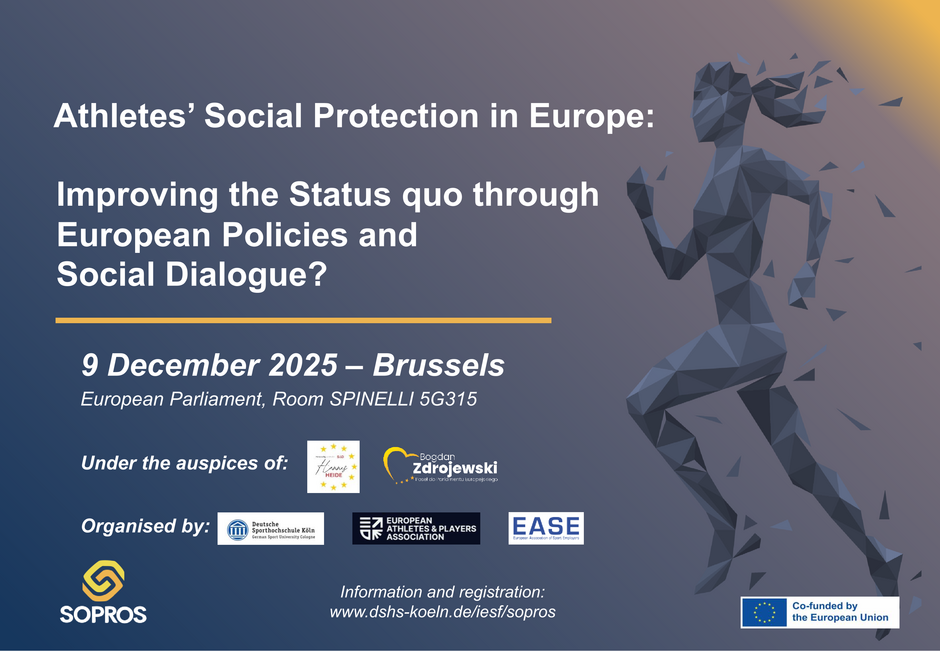
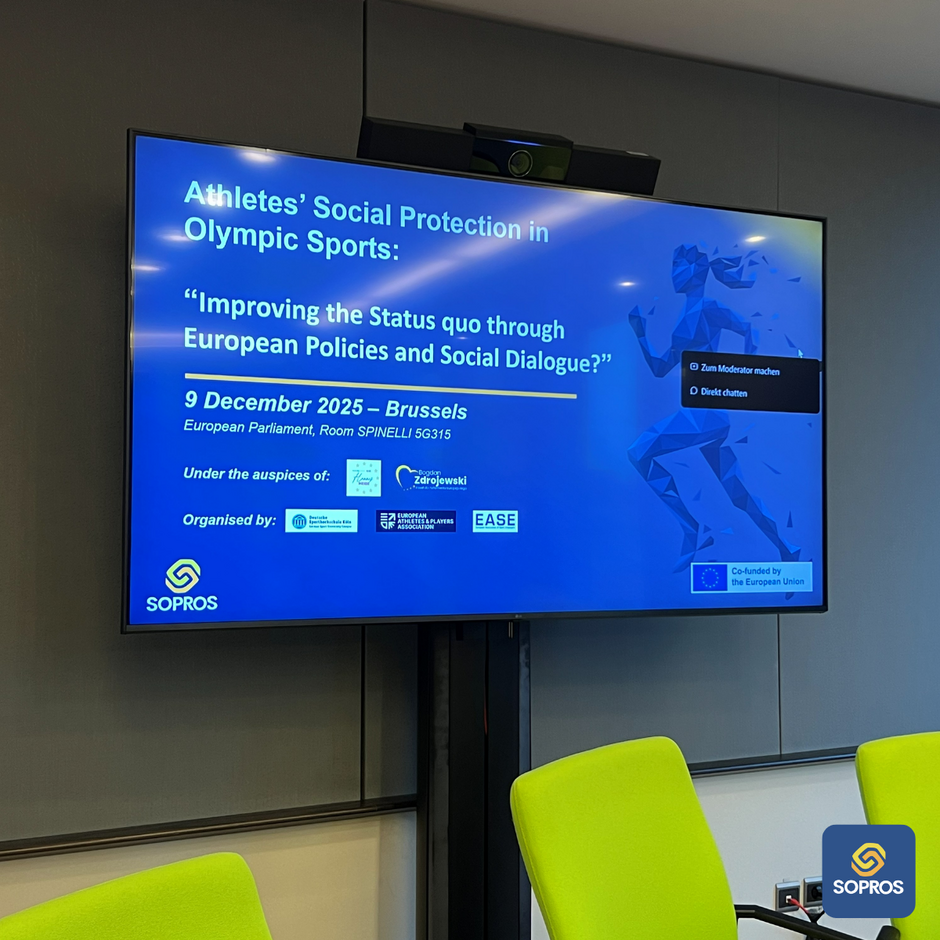
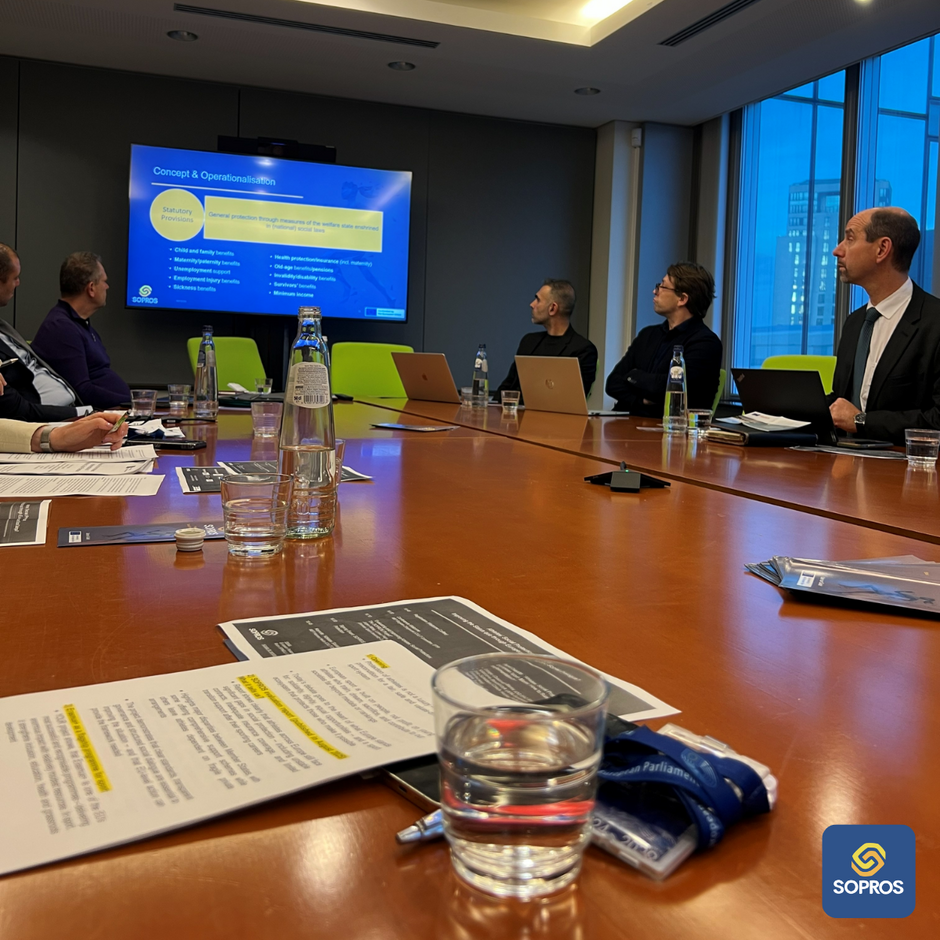
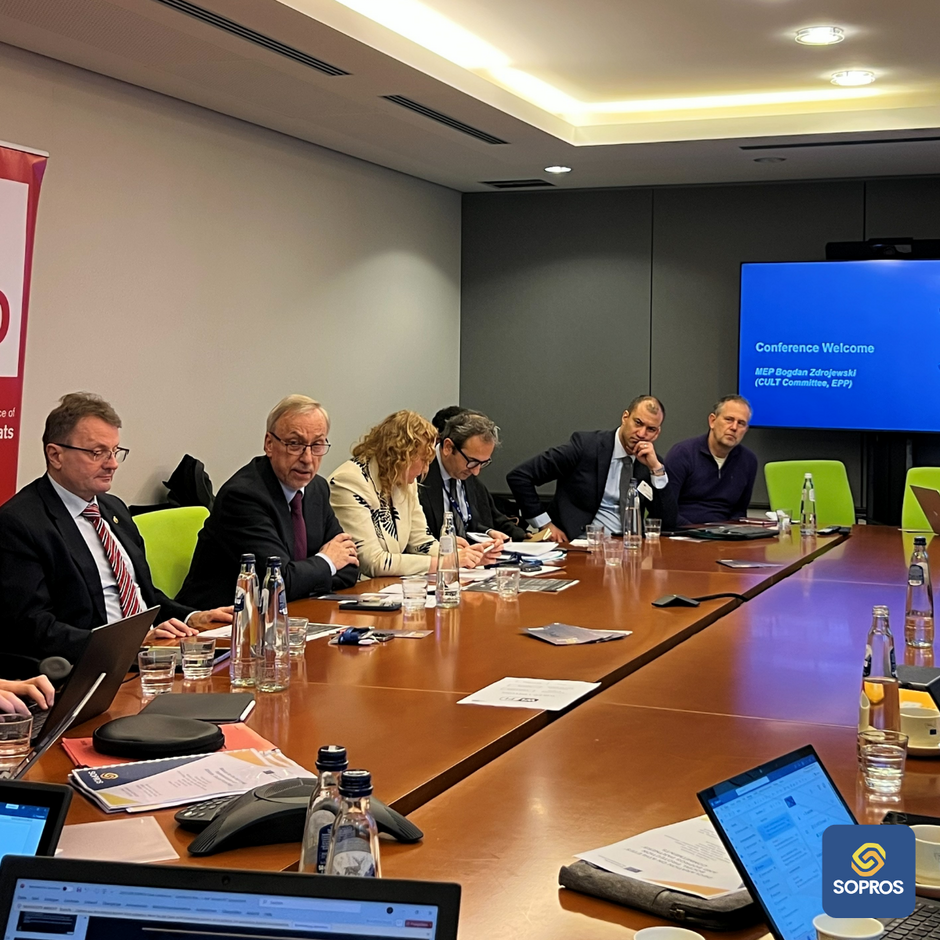
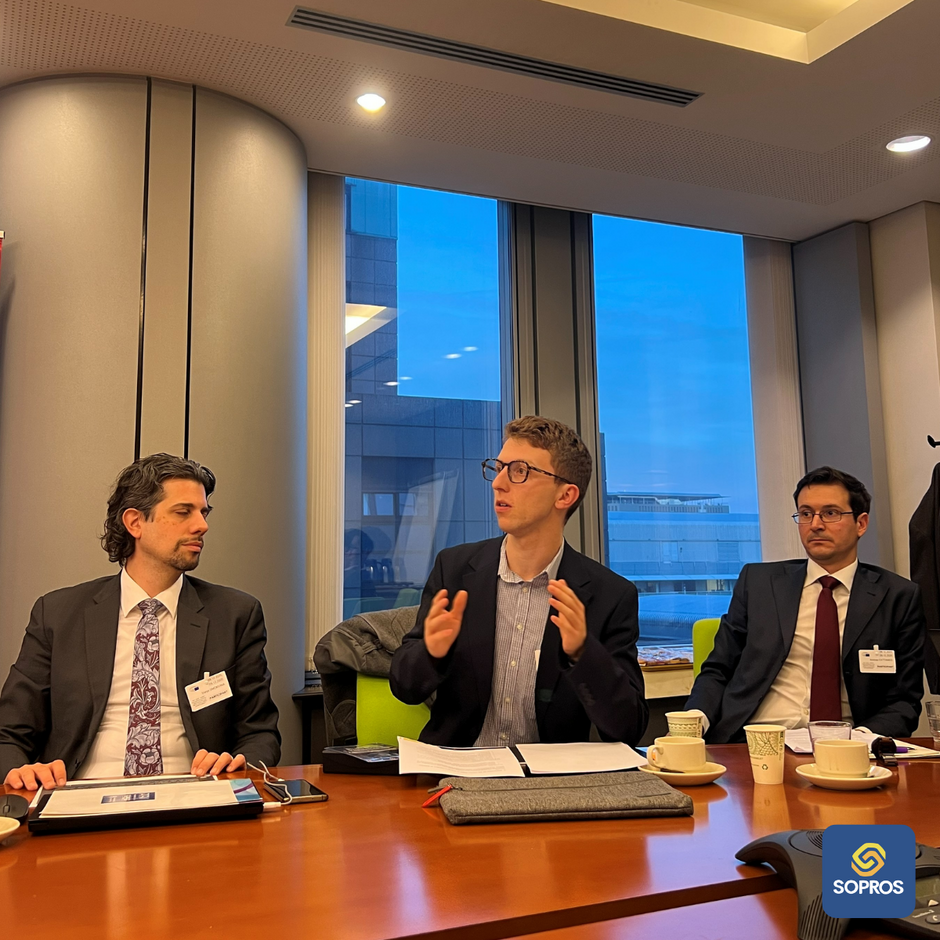
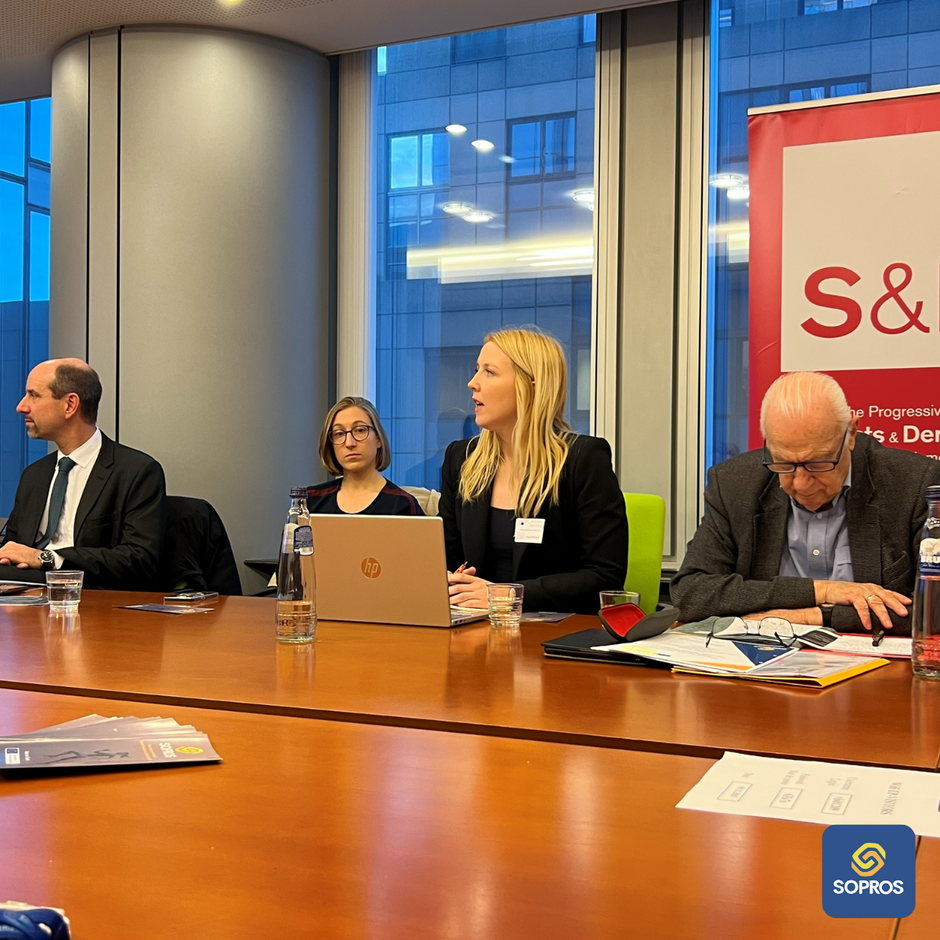
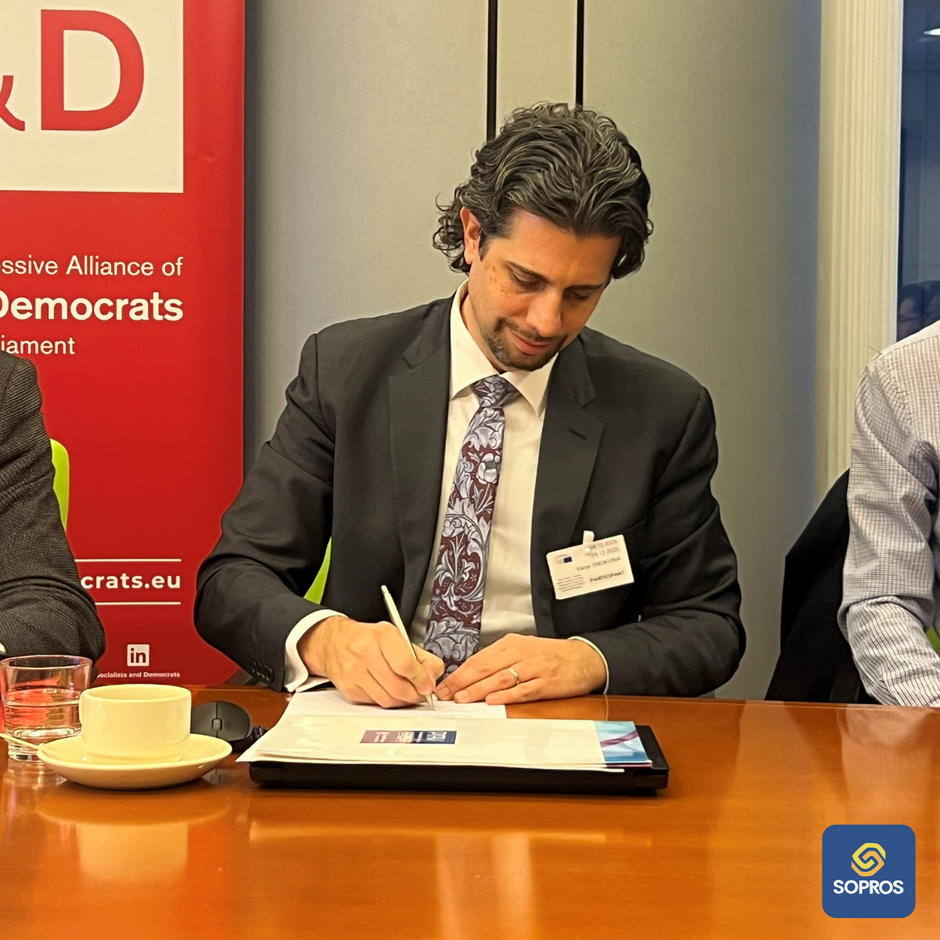

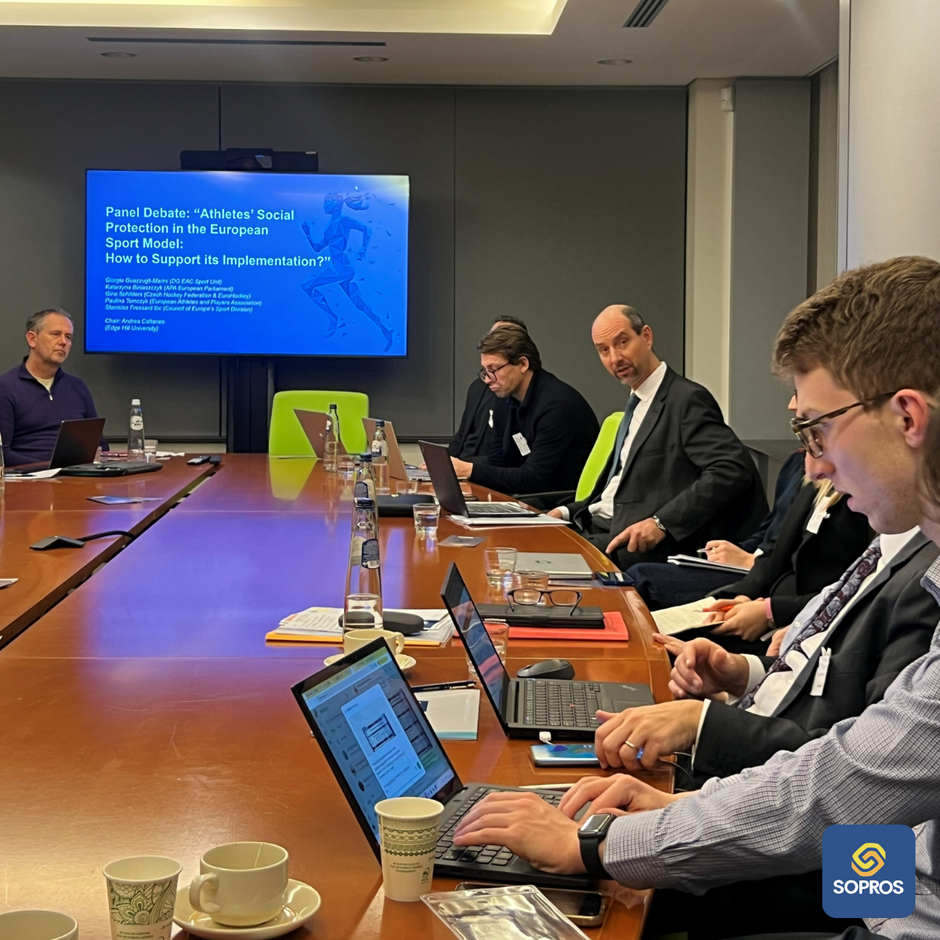
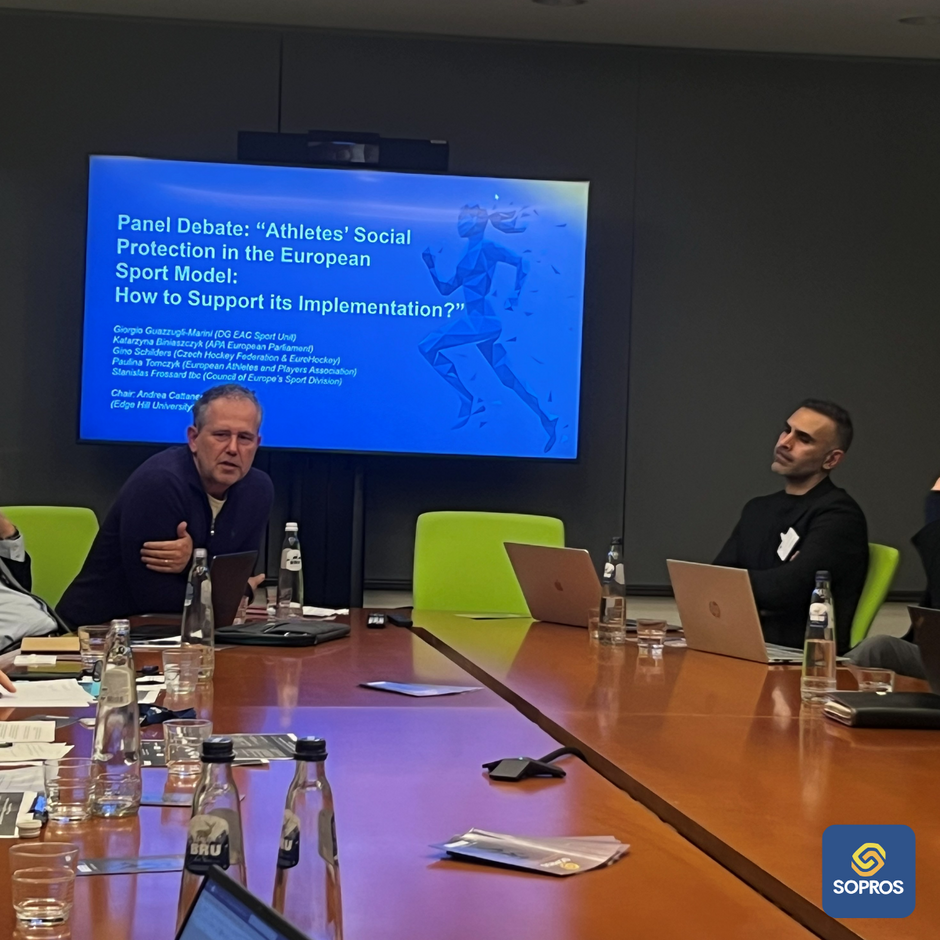
Under the auspices of the two MEPs Bogdan Zdrojewski (EPP) and Hannes Heide (S&D), the SOPROS team concluded the Final Conference of the project at the European Parliament in Brussels on Tuesday, 9 December: a milestone moment bringing together MEPs, European institutions, sport organisations, athlete representatives, researchers, and social partners to discuss the future of athletes’ social protection in Europe.
1. Social protection must become a structural part of sport
In the opening remarks, MEP Bogdan Zdrojewski emphasised that athletes’ rights will play a significant role in the next Erasmus+ cycle, with growing political commitment at EU level.
The SOPROS team presented the project’s three phases (Assessing, Evaluating, Implementing) and highlighted the major gaps identified across Europe, including: conditionality, the ambiguous role of the state, fragmentation, limited athlete participation, and insufficient transparency and education. To set the stage for the following discussions, the SOPROS Manual and some of its recommendations and calls to action were presented.
2. The SOPROS Declaration was signed and is now open for endorsements
A key moment was the signing of the SOPROS Declaration by the European Athletes and Players Association (EAPA), the European Association of Sport Employers (EASE), the European Olympic Academies (EOA), and the academic partners. It outlines seven calls and the partners' commitments to strengthen legislation, improve coordination, foster social dialogue, and enhance education around athletes’ rights: an important step toward common European standards. The Declaration is open to endorsements and can be accessed above.
3. EU-level momentum is growing - but implementation must happen nationally
In his keynote, MEP Hannes Heide highlighted the urgency of the topic: “Sport is built on people, not money.” He stressed key priorities such as fair contracts, transparency, adequate remuneration, minimum EU-wide standards, and ensuring that athletes have a seat at the table in all relevant discussions.
He also noted that findings from SOPROS will inform future work in both the European Parliament and the European Commission.
4. Panel discussion
Speakers from the European Commission Sport Unit, EuroHockey, European Athletes and Players Association, the European Parliament, and the Council of Europe highlighted worker status as the basis for protection, the value of EU projects like SOPROS in “connecting the dots,” the need for social dialogue and collective bargaining, clearer responsibilities and modern governance, and a rights-based approach for future reforms.
The consensus: no single actor can improve athletes’ protection alone.
5. What comes next?
Jürgen Mittag noted that awareness has grown, but progress now depends on prioritisation, coordination, and whether countries choose soft governance or regulatory reform. Europe could become a blueprint for athletes’ social protection, but implementation will be decisive.
The SOPROS project may be ending - but the work is only beginning. The project partners wish to thank all speakers and participants for contributing to this important discussion.
Previous Conferences
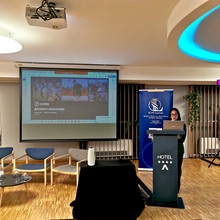
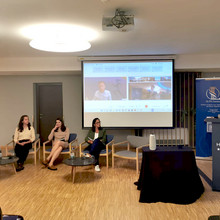
“Athletes’ Social Protection in Europe: From National Practice to European Coordination?”
On 25 April, the 2nd public conference of the EU-funded “SOPROS” project took place in Zagreb, Croatia.
In the first part of the conference which was hosted under the auspices of the Croatian Ministry of Tourism and Sport, Jürgen Mittag and Lorenz Fiege presented interim project results of the ongoing evaluation of elite athletes’ social protection situation across the European continent.
Following an inspiring keynote by Croatian Olympian and Paralympian Sandra Paović on her personal social protection after suffering spinal cord injury (watch the keynote video here), the first panel of the conference was dedicated to identifying good practices and key challenges in relation to the implementation of social protection measures for elite athletes at the national level.
Martina Jeričević(Croatian Ministry of Sport & Tourism), Laura Montvilaite (Lithuanian Athletes’ Ombudsperson), Milos Milenkovic (NOC Serbia), Nik Berger (KADA), and Gordan Kožulj (WC medallist and member of the Croatian Olympians Club)elaborated on specific social protection gaps and needs for elite athletes in their countries, as well as on state andnon-state actors’ responsibility and duty of care.
Eventually, as part of a second (international) panel which was stimulated by a keynote given by Erica Puppo (FIFPRO Europe) on new maternity rules in football, Deena Blacking (The Cyclists’ Alliance), Simona Kustec (former Slovenian Minister of Sport), Walter Palmer (co-founder of World Players’ Association and European Athletes and Players Association) and Erica Puppo discussed about the potential for enhanced transnational (European) coordination. The panellists shared their different viewpoints on whether (and how) elite athletes’ social protection should be specified and leveraged as a key feature of the European Sport Model. They, furthermore, explored to what extent forms of social dialogue and collective negotiation may serve as effective tools to raise and harmonise social protection standards for elite athletes across sports and countries.
Related discussion and debate, as well as specific (new) issues arising from the conference conduct will be deepened and addressed in the scope of an EU-level Multi-Stakeholder Workshop on 26 June in Brussels.
Meanwhile, the project team calls on all elite athletes and stakeholders to express their personal and organisational viewpoints on matters of elite athletes’ social protection via two dedicated survey-toolkits:
- Athletes: ww2.unipark.de/uc/SOPROS_athletes_country_ASPC/
- Stakeholders: ww2.unipark.de/uc/SOPROS_stakeholders/
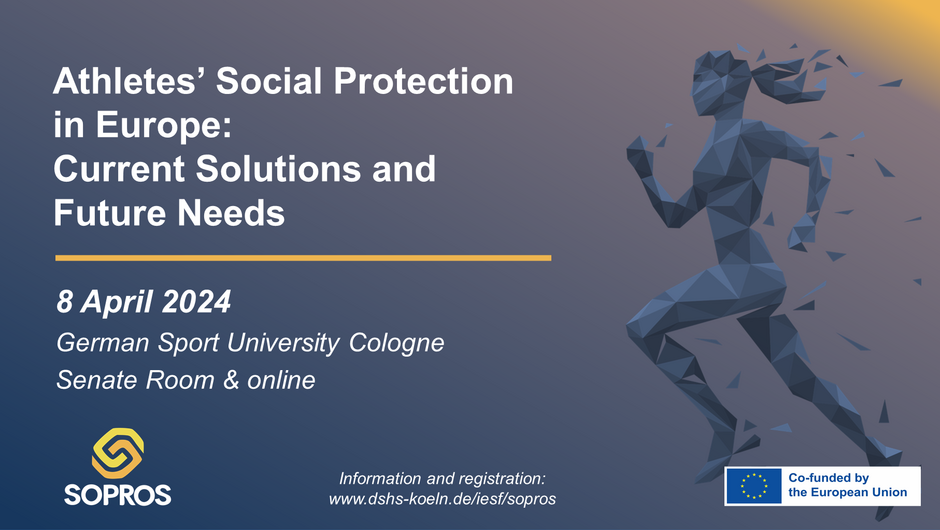
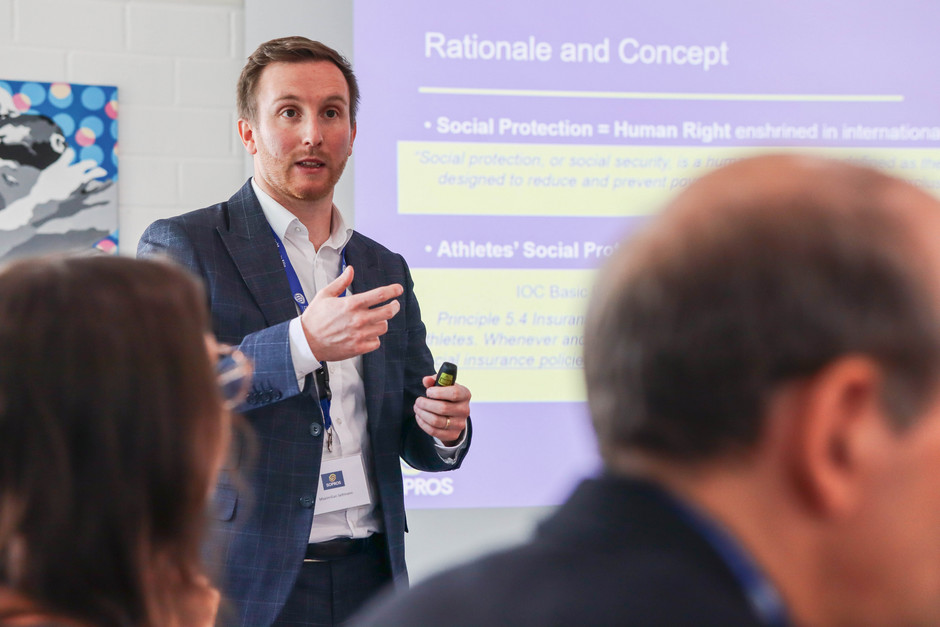
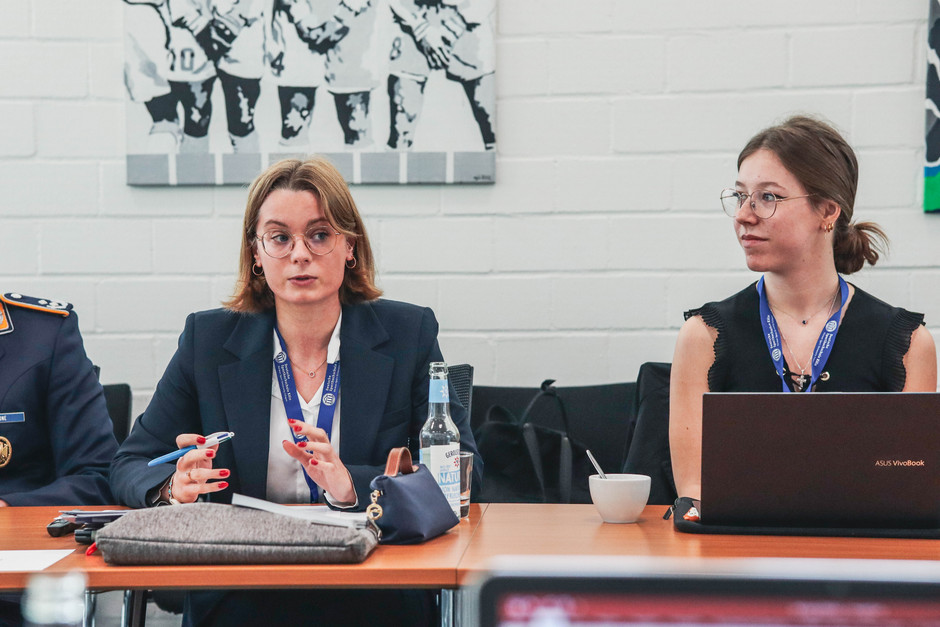
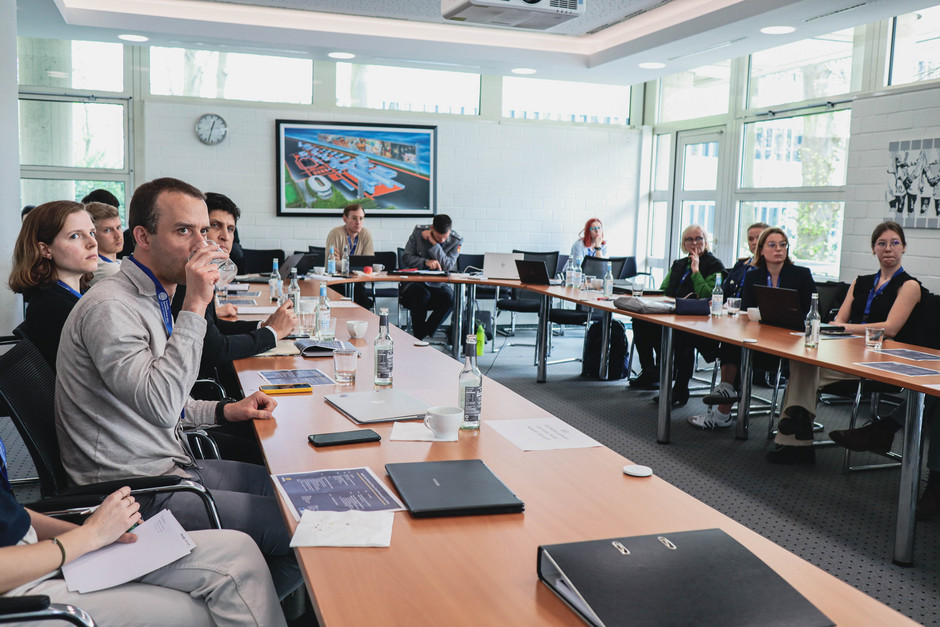
Retrospection "Athletes' Social Protection: Current Solutions and Future Needs", 08-04-2024, Cologne
On April 8th until 9th, 2024, the SOPROS project team welcomed stakeholders from a variety of countries and organizations to the first public conference of the project. The event, titled "Athletes' Social Protection: Current Solutions and Future Needs", brought together experts and stakeholders from sport governance, politics, and academia to discuss the different approaches toward and future needs of athletes' social protection in European countries.
The conference began with an introduction by Professor Jürgen Mittag to the topic of athletes' rights and welfare as well as to the background and context of the SOPROS project. Maximilian Seltmann, Lorenz Fiege, and Jennifer Edwards then provided a brief overview of the SOPROS project's goals and interim conclusions, as well as presented the Self-Assessment Tools and Toolkits for athletes and stakeholders, which aim to systematically assess the current status quo of national legislation and policies protecting athletes in Olympic sports against social risks. The next steps of the SOPROS project, including the launch of the Tools and Toolkits, the data collection phase, and the future Evaluation Report, were also outlined, and the next conference in Croatia in April 2025 was announced.
Next, Elodie Mangez from the European Association of Sport Employers chaired a panel titled "Solutions and Needs at the National Level." Representatives from the German Bundeswehr (German Federal Armed Forces), independent athletes’ associations (Athleten Deutschland, Union Nationale des Sportifs de Haut Niveau), and the National Olympic Committees of Belgium, Croatia, Germany and Portugal each presented their organization's role in supporting elite athletes, including how it contributes to the development and implementation of social protection measures for elite athletes. The panel also discussed which social protection measures are most crucial for ensuring the safety and security of athletes throughout and after their careers, which other stakeholders they believe should play a significant role in promoting social protection for athletes within their countries, and what potential roles transnational and international entities could play in coordinating and advancing social protection initiatives for athletes.
After lunch, Professor Vanja Smokvina from the University of Rijeka, provided an overview of social dialogue in sport at the European and global levels and how it may serve as tool to raise the level of athletes’ social protection. Professor Smokvina also discussed the possible future of minimum labour standards in sport, and highlighted the importance of coordination and cooperation in working toward that future.
The day concluded with a panel titled "Transnational Perspectives on Athletes' Social Protection", which was chaired by Anna Semenova from EU Athletes. Representatives from the ILO, World Players Association, and the European Olympic Committees presented to what extent their organizations are involved in the development, coordination, or implementation of social protection measures for elite athletes, and evaluated the possibility of transnational coordination and harmonization of athletes’ social protection.
The first SOPROS conference was a valuable source of information and details about the current landscape of athletes' social protection in Europe, and we are extremely grateful to all the panellists and participants who joined us both in Cologne and online to present their organizations, share their first-hand experiences, and ask important questions. This input helps the SOPROS project move closer to its ultimate goal of promoting integrity and values in sport by assessing, evaluating, and implementing athletes’ social protection in Olympic sports.
SOPROS is an Erasmus+ project and runs from January 2023 to December 2025. The SOPROS project team contains both academic and policy partners and is comprised of the German Sport University, Edge Hill University, the University of Rijeka, the Institute for Sport Governance, Sport Evolution Alliance, EU Athletes, the European Association of Sport Employers, European Olympic Academies, and the International Labour Organization.
For more information about the approach and methodology of the SOPROS project, please refer to the Concept Note.
Download the Conference Programme
EU-Level Workshop
Brussels, Belgium - 26th June 2025
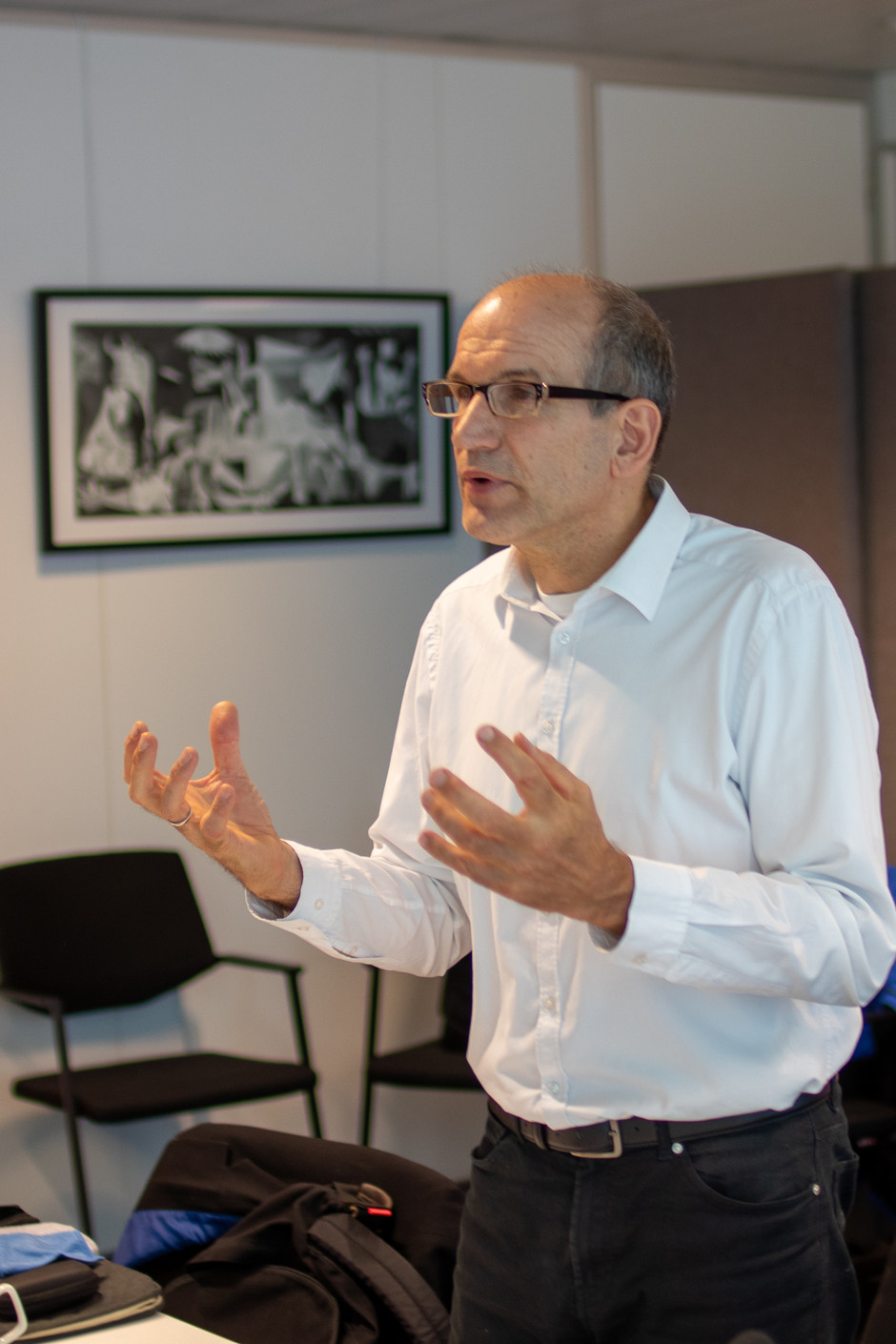
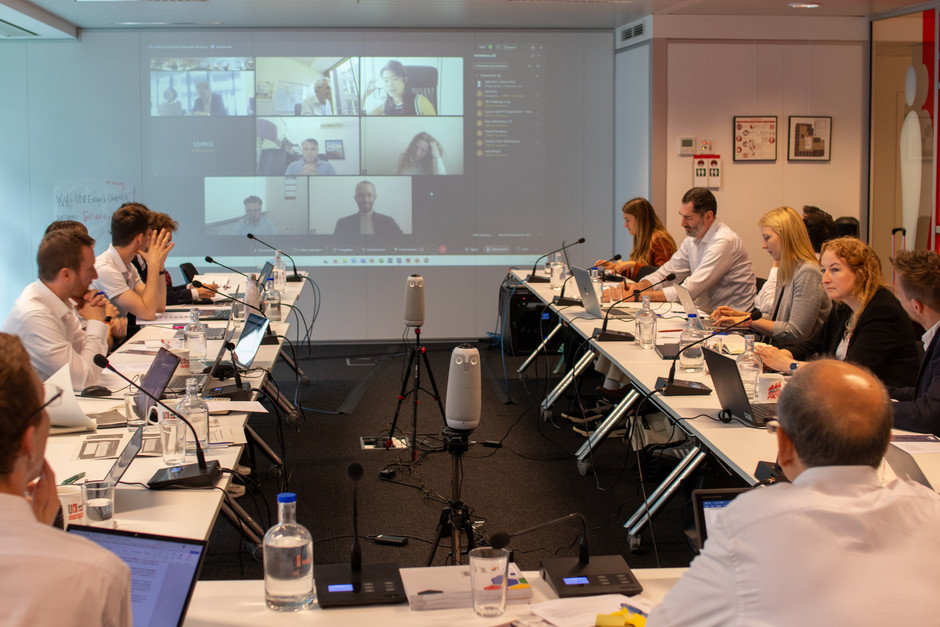
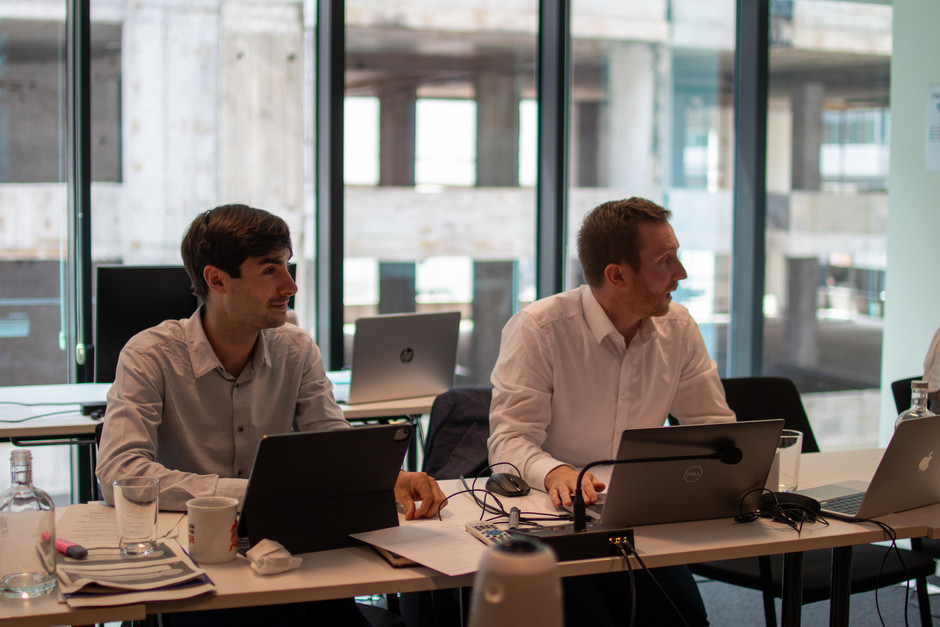
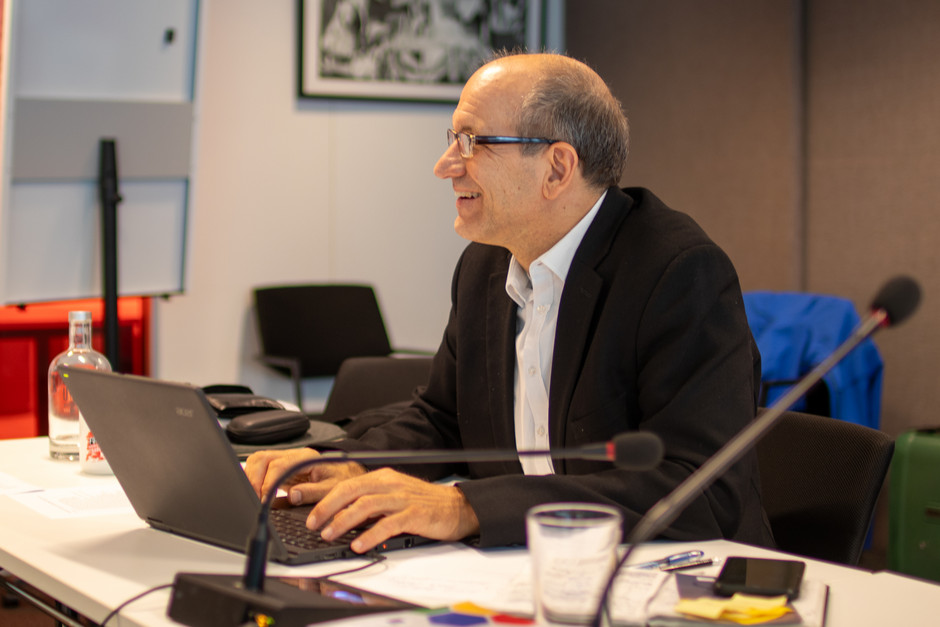
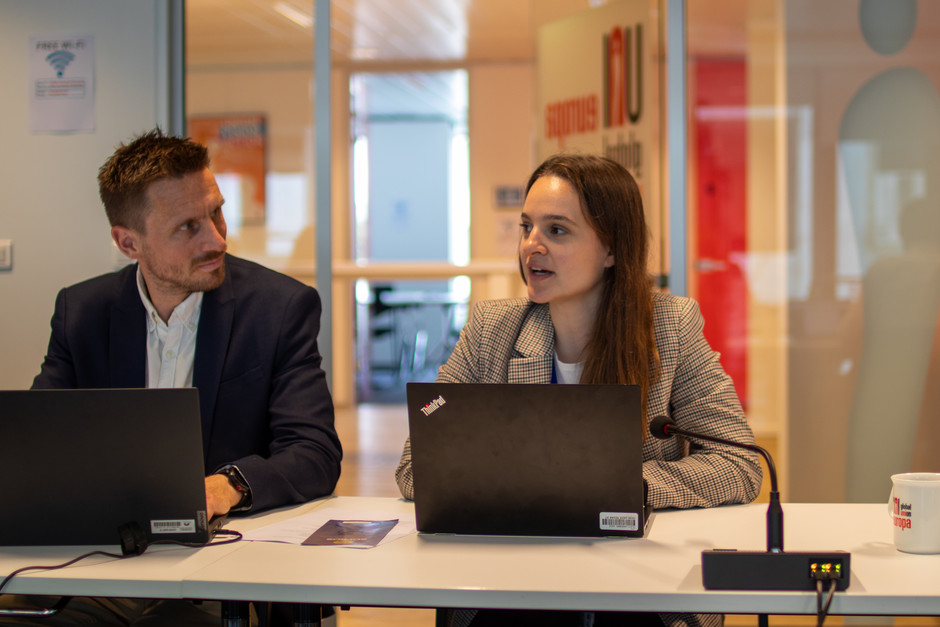


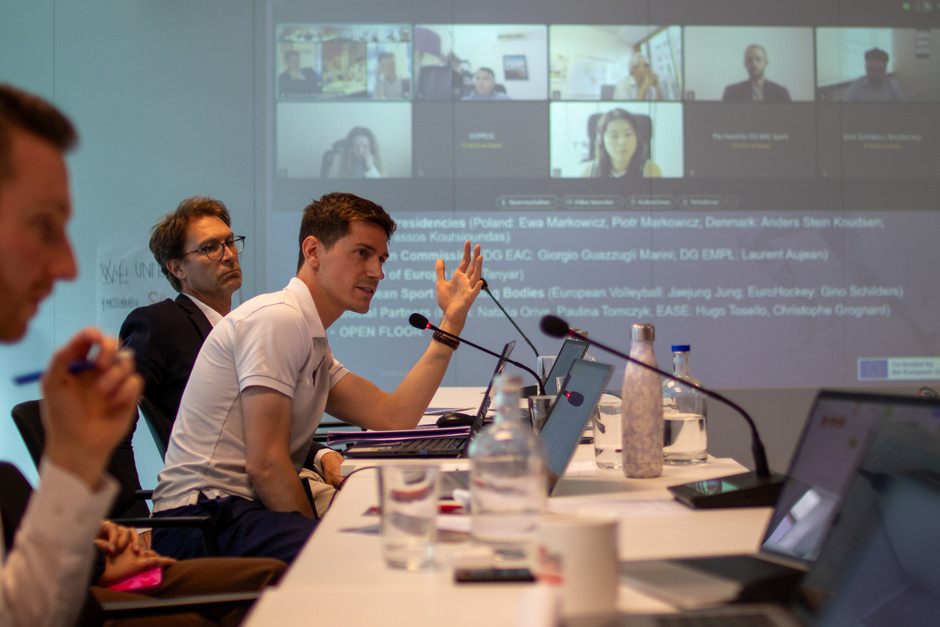
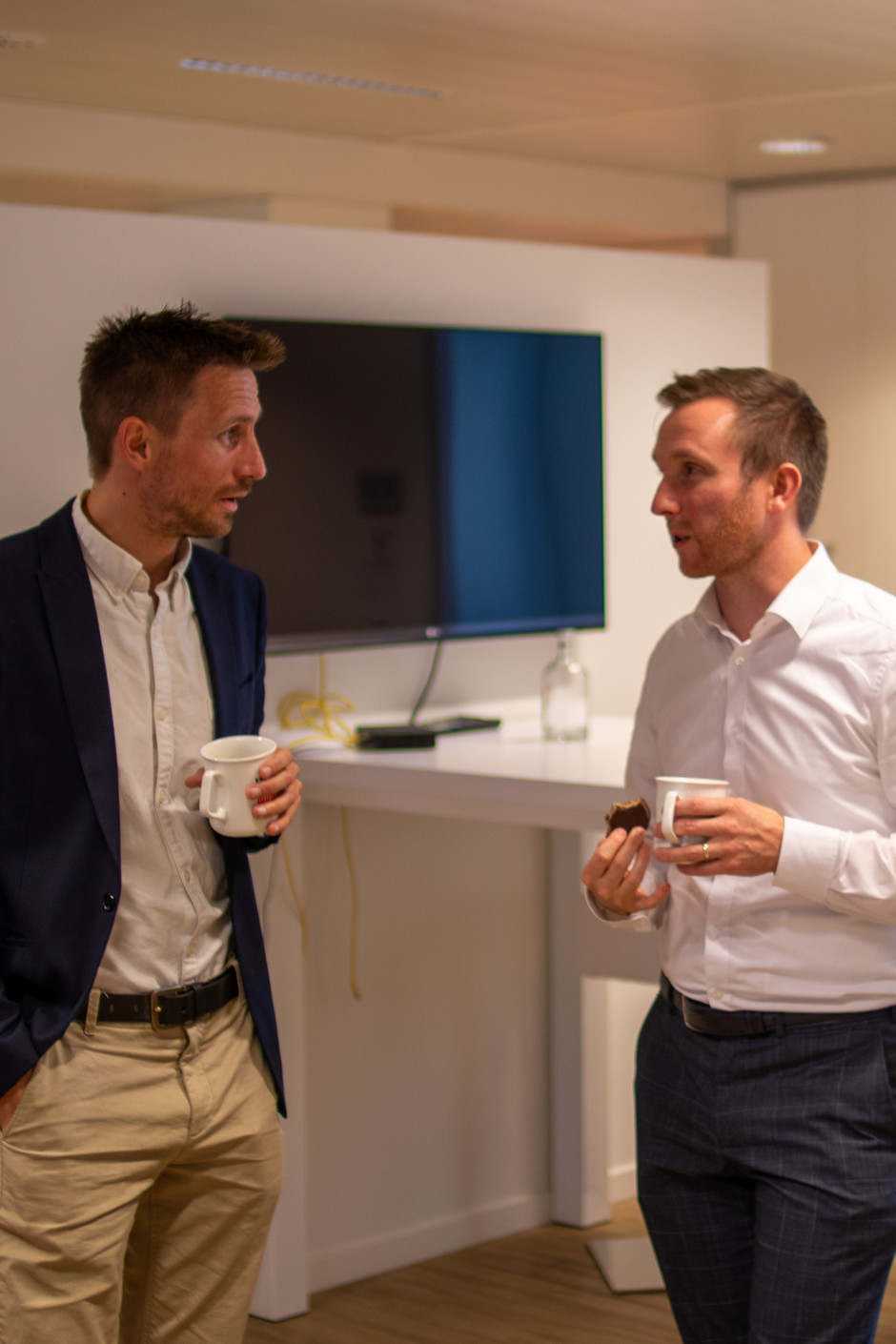
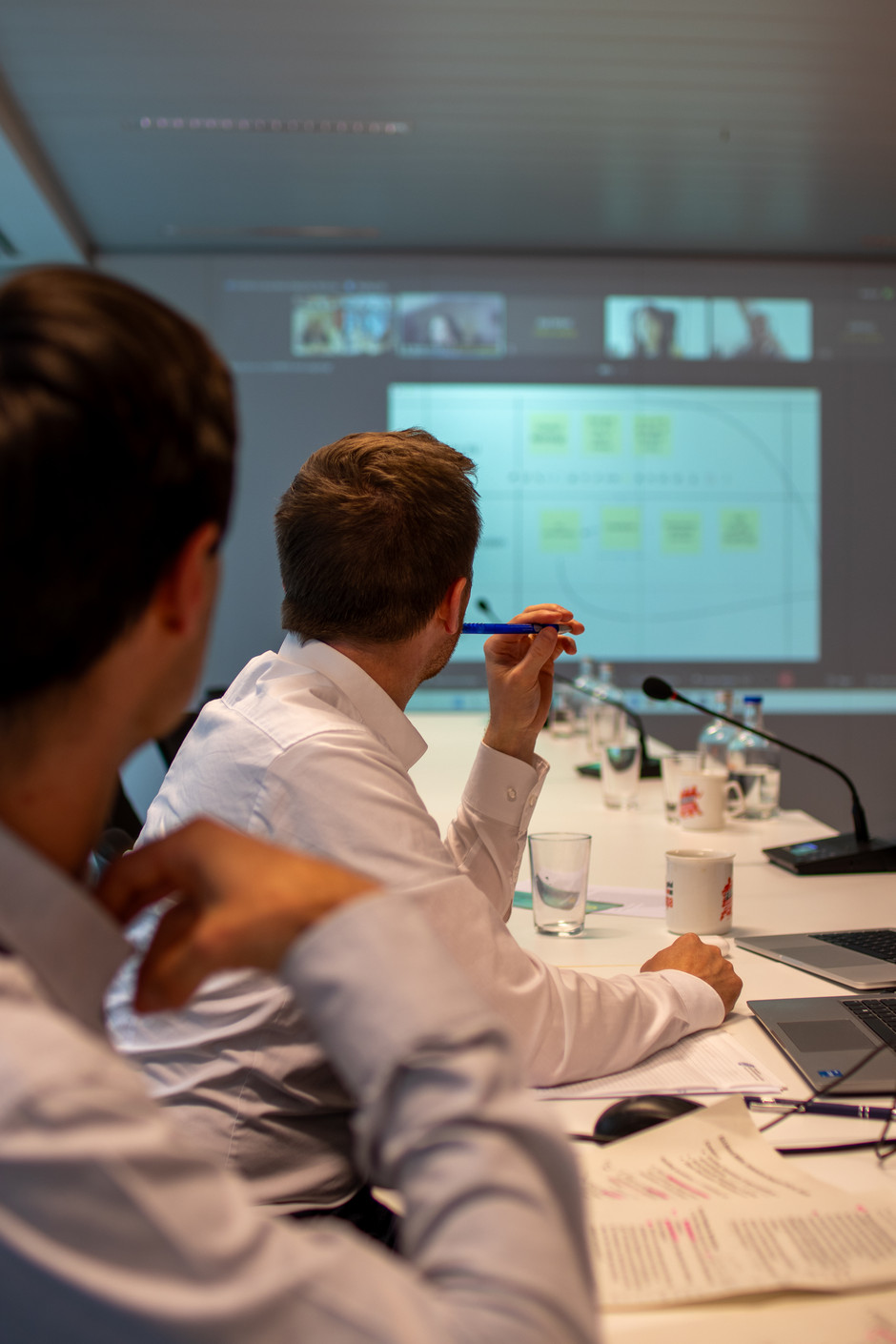
SOPROS EU-Level Multi-Stakeholder Workshop in Brussels
On June 26, 2025, the SOPROS project brought together over 20 high-level stakeholders from European institutions, national governments, sport organisations and athlete associations for its EU-Level Multi-Stakeholder Workshop in Brussels. One remark from the discussions captured the atmosphere of broad consensus: “I learnt that you can’t be against the social protection of athletes.” Yet, as the workshop also made clear, turning this shared conviction into concrete, coordinated action across national borders remains a significant challenge. Hosted at UNI Europa in the heart of Brussels, the event provided a unique platform for open dialogue and co-creation on one of the most pressing topics in European sport governance: strengthening the social protection of elite athletes. The workshop marked an important step towards developing practical, cross-border solutions to safeguard athletes’ rights and well-being across Europe.
The SOPROS Project: Approach and Evaluation Results
The workshop began with an introduction to the SOPROS project’s core objectives and research findings. Professor Juergen Mittag from the German Sport University Cologne and the project team, Maximilian Seltmann and Lorenz Fiege, presented a comprehensive overview of the current state of social protection for elite athletes in Europe. The focus of the Erasmus+ Project lies particularly on those competing in Olympic sports outside the major professional leagues, whose athletic careers often constitute full-time commitments but are not accompanied by formal employment status or adequate legal safeguards.
The research highlights the fragmented and inconsistent landscape of athlete social protection across Europe. National approaches vary considerably, from public employment schemes within military or police forces to elite athlete status legislation and isolated, athlete-specific measures. Despite their crucial role in the European sport system, many athletes face legal uncertainty and significant gaps in access to essential social protection, such as health insurance, injury protection, unemployment or maternity support, and pension schemes. Moreover, the research findings underscore a worrying lack of awareness among athletes regarding their rights and available protections. Survey data revealed that the vast majority of athletes feel poorly informed about social protection provisions.
At the same time, the project emphasises the strong interdependence between sport governance, labour rights, and social protection. It calls for recognising elite athletes, especially those outside commercialised professional sport, as workers entitled to basic social protections under national and European legal frameworks.
For those interested, the presentation delivered by the project team at the beginning of the Round Table — providing further details on the research background, key findings and conceptual approach — is available for download under the following LINK.
Round Table: Athletes’ Social Protection – A Key Value Underpinning the European Sport Model?
The subsequent roundtable brought together policymakers, athlete representatives, and experts to explore the role of social protection within the European sport model. A key message emerged early on: while social protection is increasingly recognised in political discourse, it is not yet firmly established as a core value of sport governance in Europe.
Representatives from the European Parliament, including Pandora Dimanopoulou (assistant to MEP Nikos Pappas) and Katarzyna Biniaszczyk (assistant to MEP Bogdan Zdrojewski), outlined how athlete rights — including social protection, occupational health, and dual career support — have been given prominent attention in the forthcoming European Parliament report on the European Sports Model. This was seen as a positive signal that the political momentum for change is growing, even if the report also revealed institutional complexities, such as overlapping responsibilities between different EU institutions.
Ziya Tanyar, representing the Council of Europe, provided insights into how existing legal instruments, such as the European Social Charter, could be leveraged to advance athlete protection. Although these tools have been underutilised in the sports context so far, they offer tangible avenues for governments and stakeholders to improve working conditions, health and safety standards, and social rights for athletes.
Representatives of the current and upcoming EU Council Presidencies highlighted growing political attention to athlete protection. Piotr Markowicz and Ewa Markowicz (Polish Council Presidency) underlined that safeguarding athletes’ well-being and social rights must be a core element of the European sport model. Anders Stein Knudsen (Danish Presidency) confirmed that the issue could feature on the agenda of forthcoming Council meetings, though national discussions in Denmark remain decentralised. Vassos Koutsioundas (Cyprus Sport Organisation) shared a practical example of a national pilot scheme that provides jobs in sport federations to top athletes, supporting their social security and career transition.
With Paulina Tomczyk and Natalia Orive from EU Athletes as well as Walter Palmer from the World Players Association, athletes’ associations contributed critical perspectives, calling for stronger, independent athlete representation in governance processes. They emphasised that internal athlete commissions, while valuable, cannot replace the role of independent unions when it comes to negotiating binding improvements to social protection. The roundtable discussion made it clear that to truly embed social protection as a key value within the European sports model, more explicit legal definitions, stronger institutional cooperation, and effective mechanisms for athlete voice and representation are essential.
Interactive Session: Tools and Instruments for the Transnational Coordination of Athletes’ Social Protection – Reflections on Concrete Measures
In the second half of the workshop, participants focused on practical tools and instruments that could enhance the transnational coordination of athlete social protection across Europe. A central theme was the gap between progressive political declarations and concrete, enforceable measures that tangibly improve athletes’ lives.
Representatives from European sport federations such as Jaejung Jung from the European Volleyball Federation (CEV) and GinoSchilders from Euro Hockey shared examples of existing initiatives, including best practice exchanges, dual career programmes, and the development of common standards for athlete protection. However, both organisations pointed out that their ability to enforce binding rules on national members remains limited.
The discussion also explored broader European instruments. The potential for establishing new sectoral social dialogue committees for professional sports, beyond football, was widely acknowledged. The football sector’s successful example of structured social dialogue was seen as a blueprint for creating similar mechanisms in other sports, provided sufficient political will and stakeholder collaboration can be mobilised.
Further, the European Social Charter’s collective complaint procedure was presented as an underutilised but promising legal avenue for advancing athlete protection, with NGO and trade union involvement offering athletes formal channels to assert their rights at the European level.
Finally, participants agreed that the current political momentum, reflected in policy developments such as the European Parliament report and the growing visibility of athlete rights, presents a rare window of opportunity to advance the topic. However, to translate this momentum into meaningful change, a coordinated, multi-stakeholder approach is essential. Governments, sports bodies, athlete representatives, and EU institutions must collaborate to ensure that social protection becomes a tangible reality for athletes, rather than an abstract political aspiration.
The SOPROS project will continue to build on these discussions and work precisely at this intersection — bringing together key stakeholders, fostering dialogue, and developing practical policy solutions. The Brussels workshop marked a crucial step in this process, and all those interested can look forward to further project events as well as concrete outputs in the coming months.
National Workshops
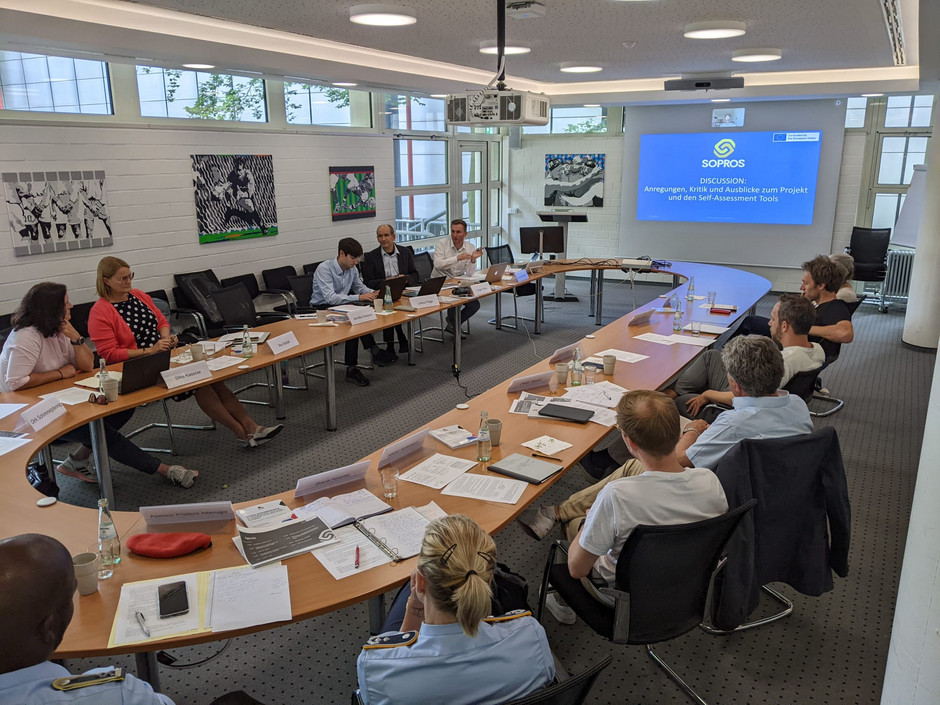
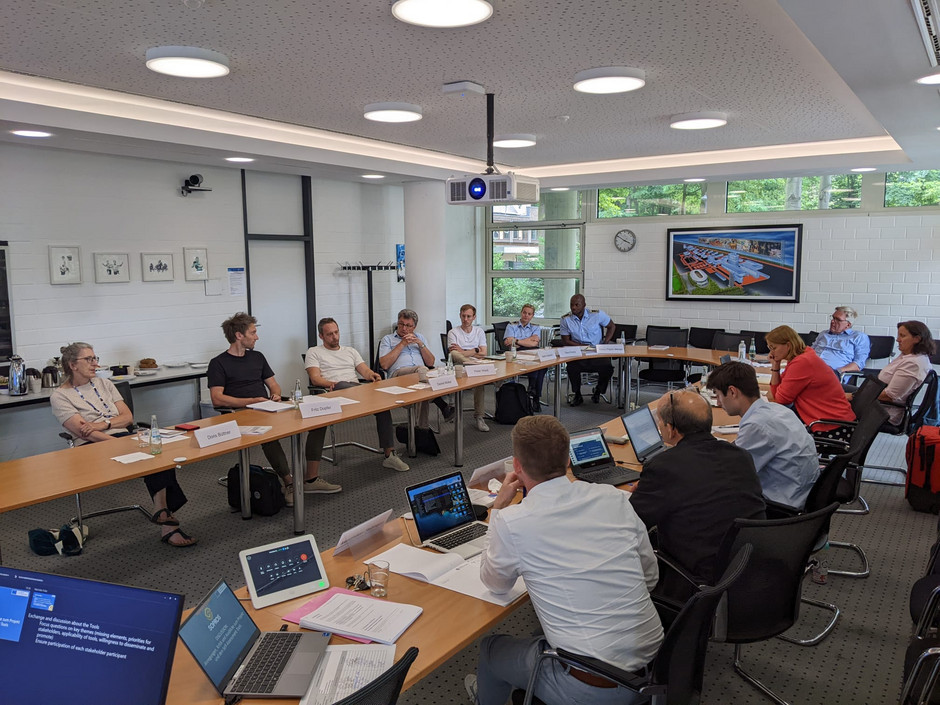
On June 21, 2023, eleven stakeholders from the German sports landscape met at the German Sport University Cologne for the first of the SOPROS project’s National Workshops. The goal of the National Workshop was twofold: first, to facilitate an exchange of ideas and opinions of the participants regarding the social protection situations of German elite athletes in Olympic sports; and second, to introduce the participants to the Self-Assessment Tools developed as part of the project, and get feedback and comments about the Tools. The workshop group included representatives from the German Federal Military (Bundeswehr), the German Olympic Sports Confederation (DOSB), TSV Bayer 04 Leverkusen, Athletes Germany (Athleten Deutschland), the Federal State of North Rhine-Westphalia (Staatskanzlei NRW), Olympic Training Center Cologne (OSP Köln), Freiburger Kreis, and the North Rhine Athletics Association (Leichtathletik-Verband Nordrhein).
The workshop participants were first introduced to the structure and timeline of the SOPROS project, and made familiar with its goal of assessing athletes’ social protection coverage to identify potential gaps and come up with potential policy recommendations. Next came a lively discussion regarding what types of activities in the field of social protection their organization is currently carrying out, how they estimate the current social protection measures for elite athletes in Olympic sports in Germany and which concrete needs they see, and what types of debates are being held surrounding the topic.
After a short coffee break, the workshop participants were introduced to the Self-Assessment Tools—one Tool for athletes, and one Tool for stakeholders—and walked through the overall concept as well as the back-end design of each Tool. The three components—athletes’ entitlement to statutory and athlete-specific social protection measures, the provision of athlete-specific measures, and athletes’ perception of the level of social protection—were detailed at length. In a second discussion round, participants were asked for their feedback and comments regarding the potential value of the Tools and their intended output, as well as possible challenges regarding the creation and implementation of the Tools.
Both discussion rounds generated valuable information regarding the current challenges and future opportunities in the area of social protection for elite athletes in Olympic sports. Feedback received from the diverse group of stakeholders will undoubtably provide an excellent basis for the next steps of the SOPROS project.
Warsaw, Poland - 4 October 2023
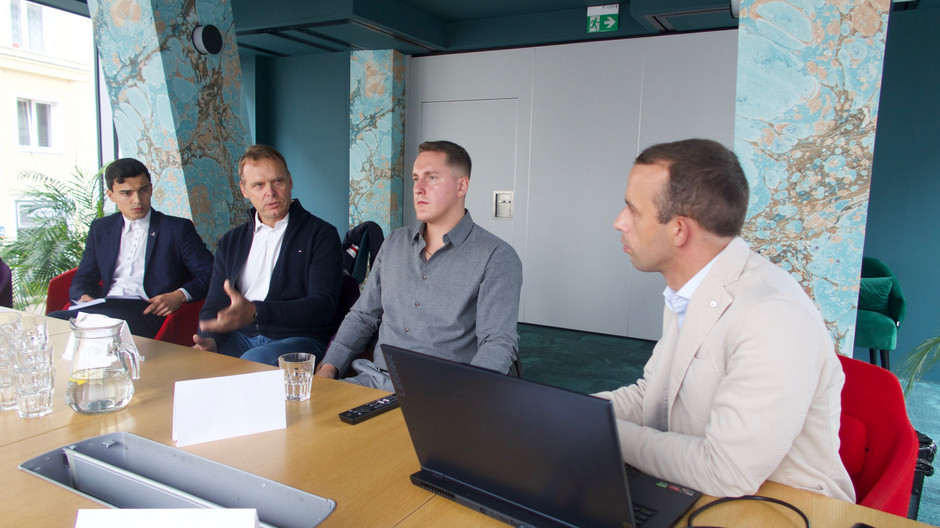
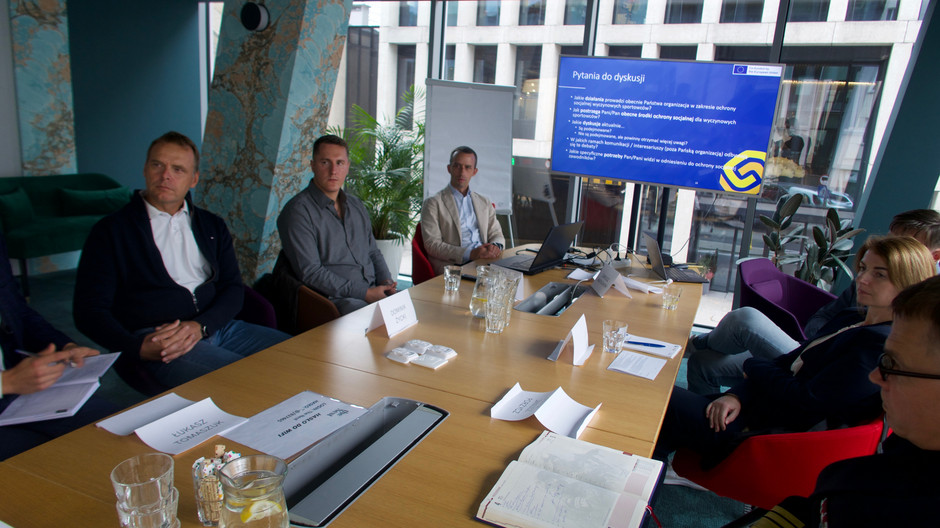
On October 4, 2023, at the office of the Institute for Sport Governance foundation in Warsaw, a workshop on social protection of athletes of Olympic disciplines in Poland was held, led by Dr Paweł Zembura. The workshop is part of the SOPROS project, which aims to better understand and strengthen the social protection of athletes in European countries.
The participants were important stakeholders in the sports sports system in Poland: representatives of the Institute of Sport - the National Research Institute, the Polish Olympic Committee, the Central Military Sports Team, the Polish Sailing Association, the Academic Sports Association and the Capital City of Warsaw. Some other invited stakeholders withdrew right before the event or were preoccupied with other activities.
During the workshops, talks included:
1. current activities in the field of social protection of athletes in Poland;
2. weaknesses of the sports system in Poland in terms of protection of players and their inclusion in decision-making processes;
3. the development of self-assessment tools to help athletes (and stakeholders) better plan and understand their social protection.
The basic characteristic of the sports system in the context of social protection of athletes is the Ministry of Sport and Tourism scholarship system serves as a "base", an instrument that is supposed to "reward" and protect players. Its limited nature, in the context of social protection for athletes, affects their difficult situation. The outcomes of this situation were discussed at the workshop. It turned out that some of the stakeholders have individual mechanisms for (usually ad hoc) support for athletes, and organizations’ representatives are often not aware of other opportunities available to athletes in the system.
Workshop participants believe in the need for "top-down" regulations regarding the increased role of athletes in the sports system, as well as regarding improved social protection of athletes. Bottom-up processes do not work as athletes in the Polish sports system have very little to say - the athletes’ commissions at sports associations act ostensibly and "consultatively", the sport associations also have control over the players, which results from the regulations in the Sports Act, and the players themselves rarely get involved in matters related to decision-making in the sports system (and not on a strategic level).
Lisbon, Portugal - 20 October 2023
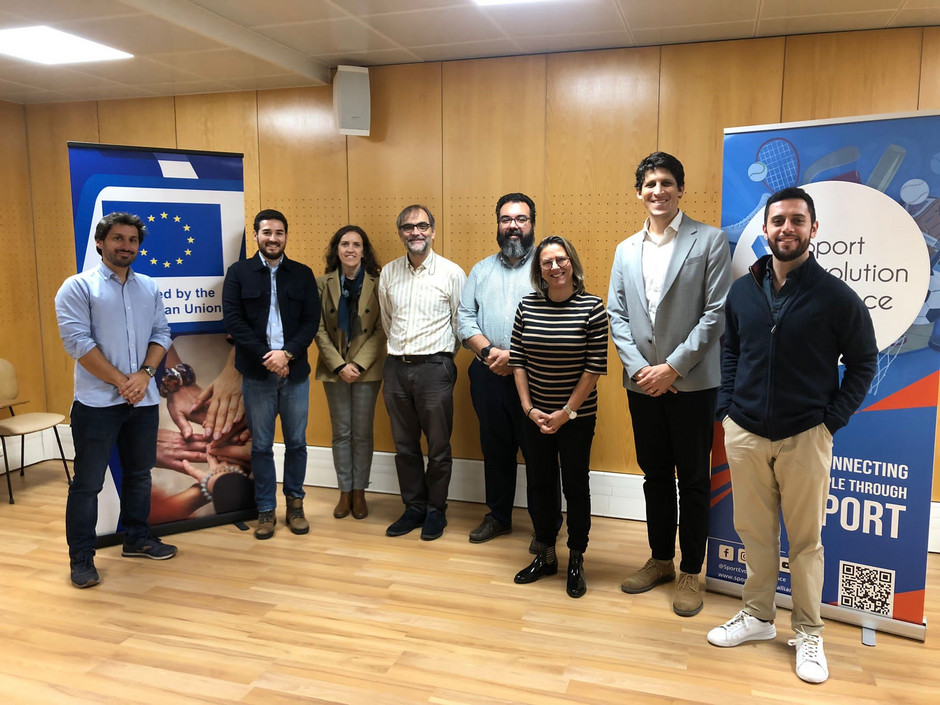
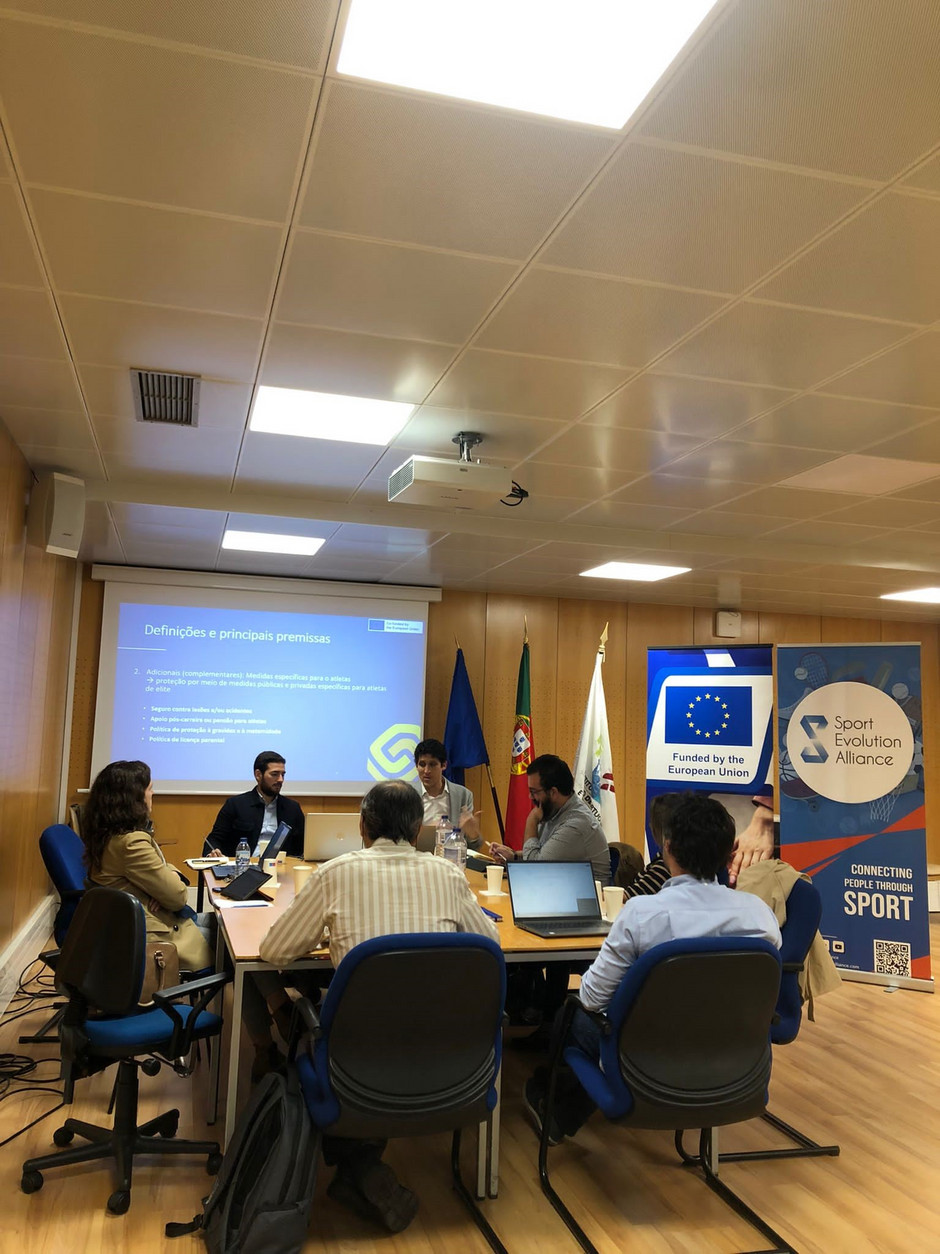
A workshop on social protection for Portuguese Olympic sports athletes was held on October 20, 2023, at the Jamor Swimming Pool Complex auditorium in Cruz Quebrada, Lisbon, Portugal. The workshop was organized as a part of the SOPROS project, which aims to improve social protection for athletes in various European countries. The workshop was led by Luiz Haas, Dr. Tiago Ribeiro, and André Calapez.
Representatives of stakeholders in the sports system in Portugal participated in the workshop. The event was attended by organizations such as the Portuguese Institute of Sport and Youth, Sport Foundation Portugal, Olympic Athletes Commission of the Portuguese Olympic Committee, a national sports federation, and an expert in sports law.
During the meeting, the participants discussed several pressing issues affecting athletes, including challenges that extend into both their personal and professional lives. These issues included a lack of legal protections, financial insecurity, dual career balancing, varying sport typologies, and gaps in post-career transition. The lack of legal frameworks and protections for athletes was identified as a significant challenge that needs to be addressed. The group emphasized the need to establish fair treatment and safeguard athletes' rights. The prevalent issues of irregular income and brief career span in sports were also discussed, and the group emphasized the need to formulate strategies to provide athletes with greater financial stability and security. The intricate task of harmonizing sporting careers with education and the pursuit of a second career was identified as another significant challenge that athletes commonly face. Different sports come with distinct needs and requirements for social support. Therefore, tailoring support systems to the specific demands of each sport emerged as a key consideration during the meeting. The transition period after concluding a sports career was identified as a critical phase where athletes often encounter challenges. Participants underscored the importance of establishing robust post-career support systems to help athletes navigate this period more successfully. The first part of the workshop highlighted the necessity of comprehensive and tailored support structures for athletes. Addressing legal, financial, educational, and transitional aspects is crucial for fostering a more sustainable and supportive environment for athletes across diverse sports.
After the coffee break, the participants were introduced to a proposed self-assessment tool designed for athletes and sports organizations. The tool was presented in the context of social security in Olympic sports. The participants shared their initial impressions of the proposed tool. They suggested that the tool should be designed to empower athletes by providing them with a clear understanding of their social rights, taking into consideration their professional situation and context. It is important that the tool provides awareness of specific 'grey areas' where athletes need to focus their efforts. This includes linking the provider of specific rights to the appropriate organization. Participants also suggested that the tool should allow athletes to simulate different situations and personalize their life-plans to improve their social rights and protections.
Edge Hill, United Kingdom - 16 November 2023
The first UK National Workshop was held online on 16 November 2023 and was attended by representatives of UK Sport and the British Elite Athletes Association (BEAA), which
are two key stakeholders in elite sport in the UK. UK Sport is a non-departmental public body, accountable to the Department for Culture, Media and Sport (DCMS) that supports
elite athletes and sports governing bodies to compete and win medals at the Olympic and Paralympic Games. The BEAA is the independent representative body for elite athletes. Invitations were also sent to individual sports governing bodies and DCMS, with three organisations confirming that they were unable to attend due to time and resource constraints.
In keeping with the other national workshops, the goal of the UK national workshop was two-fold, namely: to facilitate a discussion on the social protection
measures provided to elite athletes in the UK and to introduce the self-assessment tools that will be developed as part of the SOPROS Project. The workshop commenced with an overview of the project background, such as the findings of the EMPLOYS Project regarding social protection measures and the need for further research into this important area. It introduced the ILO framework upon which the SOPROS Project is based and highlighted the Project’s objectives.
The workshop participants were joined by Mr Jari Lämsä, Chief Specialist of the Finnish Institute for High Performance Sport, who gave a short presentation on the social protection measures extended to elite athletes in Finland. His presentation provided a country comparison and covered the organisation of sport in Finland, the funding provided to Finnish elite athletes, including pension provision, and the Finnish government and elite sport’s focus on strengthening the athletes’ voice and potentially fixing “deficiencies in social, unemployment and pension security for athletes”
After Mr Lämsä’s presentation, the workshop continued with a discussion regarding: the social protection measures that UK Sport and the BEAA implement, promote or recommend for elite athletes; the measures (if any) that each organisation intends to implement, promote or recommend for elite athletes, and if none are currently proposed, the measures that the organisations consider important for elite athletes; and the manner in which social protection measures are introduced e.g., through structured dialogue and/or consultation, and the form that consultation or other dialogue may take.
The workshop concluded with the organisers introducing and seeking feedback regarding the proposed self-assessment tools, and the value these would have in the industry. The participants were enthusiastic about the tools and the value that these would bring to the industry, together with the challenges of engaging athletes and others to use the tools.
Zagreb, Croatia - 21 November 2023
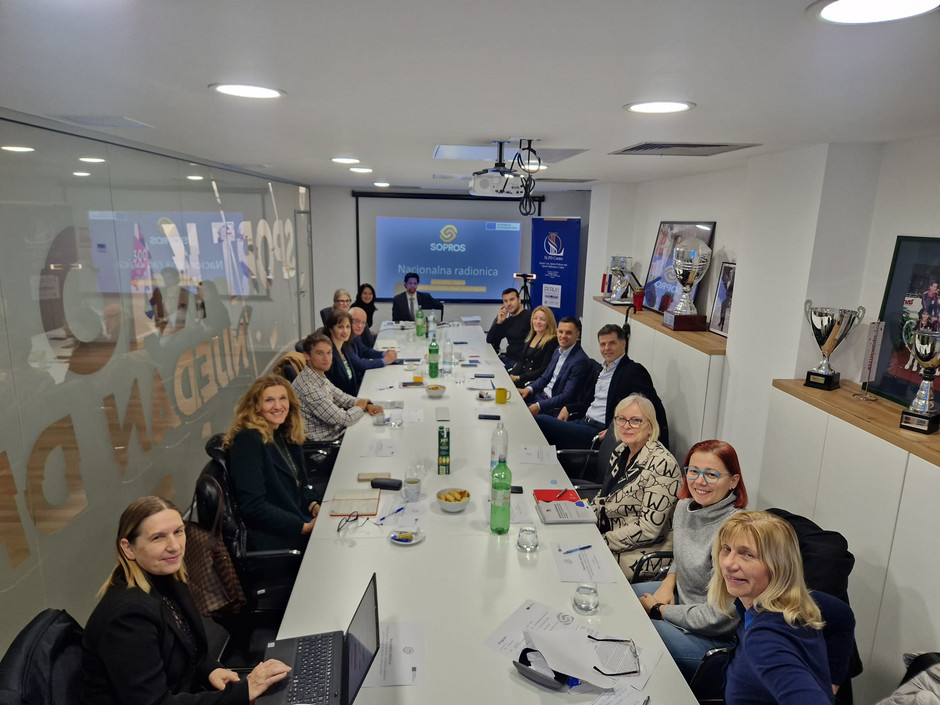
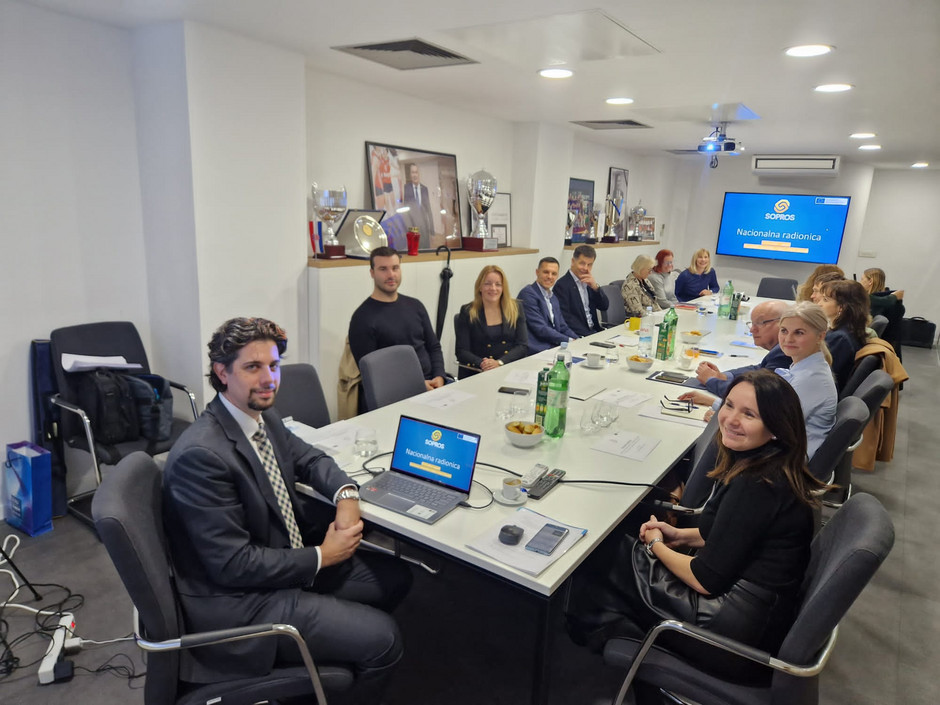
On Tuesday, 21 November 2023, a workshop on the social status of athletes in Olympic sports was held at the headquarters of the Croatian Volleyball Federation in Zagreb. The workshop was organised by the University of Rijeka, Faculty of Law and its Centre for Sports Law, Sports Policies and Sports Diplomacy - the head of the centre and regional coordinator of the project, Assoc. Prof. Vanja Smokvina.
Participants included Tomislav Družak, State Secretary of the Ministry of Tourism and Sport of the Republic of Croatia; Josipa Klišanin, Head of the Labour Sector at the Ministry of Labour, Pension System, Family and Social Policy of the Republic of Croatia; Biserka Vrbek, prof. Romana Caput Jogunica and Snježana Pejčić on behalf of the Croatian Olympic Committee along with Blanka Vlašić, President of the NOC of CRoatia Athletes' Commission; Frane Žanić, President and Valentina Bifflin, Director of the Croatian Volleyball Federation; Zoran Primorac, President of the Croatian Table Tennis Federation; Luka Jakovčev on behalf of the Croatian Water Polo Federation; athlete Bruno Erent on behalf of the Croatian Athletics Federation; Mario Jurić, President of the Croatian "Football Union"; Marija Anzulović on behalf of the Croatian Olympic Club; Suzana Šop, Secretary General of the Sports Association of the City of Zagreb and Katja Luketić, Secretary of the Sports Association of Primorje - Gorski Kotar County.
The aim of the workshop was to present the SOPROS project to sports stakeholders and athletes, discuss the issue of social and legal status of athletes in Olympic sports in the Republic of Croatia and present the self-assessment tools that the project team members will use to collect data from sports stakeholders in order to draw their conclusions and proposals for improving the status of athletes at the level of the European Union and Member States with the support of partners - the International Labour Organisation (ILO), EU Athletes (Athletes' Associations); EASE (Association of Employers in Sport) and the European Olympic Academies as project partners.
Project Background
In recent years, several cases of issues related to the social protection of elite athletes have made headlines in newspapers and raised critical awareness in the public sphere. Unfortunately, in many cases, these headlines refer to incidents of tragic accidents of elite athletes, but topics like pension payments, health care or maternity protection have also entered the sphere of Olympic elite sport governance. However, recent data of the EMPLOYS project indicate that limitations in social protection is the reality for many athletes in Olympic sports across the continent. Most athlete-centred social protection systems are based on ad-hoc cooperation and coordination between sport governing bodies and public authorities. The actual roles and responsibilities taken by public and private actors in the practical implementation of athletes’ social protection have not yet been precisely defined.
Recent policy initiatives at the transnational and European level have acknowledged the need to increase social protection standards for athletes, for example the Council of Europe in 2021 and the ILO in 2020. Additionally, athletes have increasingly been positioning themselves as key actors of the Olympic movement and demanding greater involvement in decision-making processes that affect their lives both as athletes and human beings. This demonstrates the importance of involving all stakeholders in the elite sport sector that are responsible for the regulation and implementation of athletes’ social protection.
Against this backdrop, the aim of the SOPROS project is to promote integrity and values in sport by assessing, evaluating and implementing athletes’ social protection in Olympic sports. It can be understood as a deepening of the Erasmus+ EMPLOYS project in the area of athletes’ social protection, which is one of six core dimensions of the employment relations of athletes in Olympic sports. It will build on the solid foundation and findings of the EMPLOYS project and take the next steps toward setting a framework for the implementation of concrete actions for athletes in the specific policy field of social protection. The project consortium involves four academic partners involved in the research and study of sport governance, sport politics and sport law, as well as five policy partners with significant expertise in athletes’ employment and social relations.
Overall, the SOPROS project will:
- develop practicable Self-Assessment Tools (one each for athletes, sport governing bodies, and public authorities) to collect unique data about athletes’ social protection in Olympic sports;
- analyse and present this data in an Evaluation Report;
- develop a Manual for the Implementation of Athletes’ Social Protection;
- pilot a process of negotiations in Olympic elite sports and provide analytical and practical insights into its benefits and challenges; and
- host two rounds of National Workshops, one EU-Level Multi-Stakeholder Workshop and three public Conferences.
For more information, please refer to the Project Description and Concept Note.
Academic Partners
- University of Rijeka, Faculty of Law (Pravi Fakultet Sveucilista u Rijeci), Croatia
- Sport Evolution Alliance, Portugal
- Edge Hill University, Great Britain
- Institute for Sport Governance, Poland
Policy Partners
- European Elite Athletes Association (EU Athletes), Netherlands
- European Olympic Academies (EOA), Germany
- Association of Sport Employers (EASE), France
Associated Partners
International Labour Organization (ILO), Switzerland
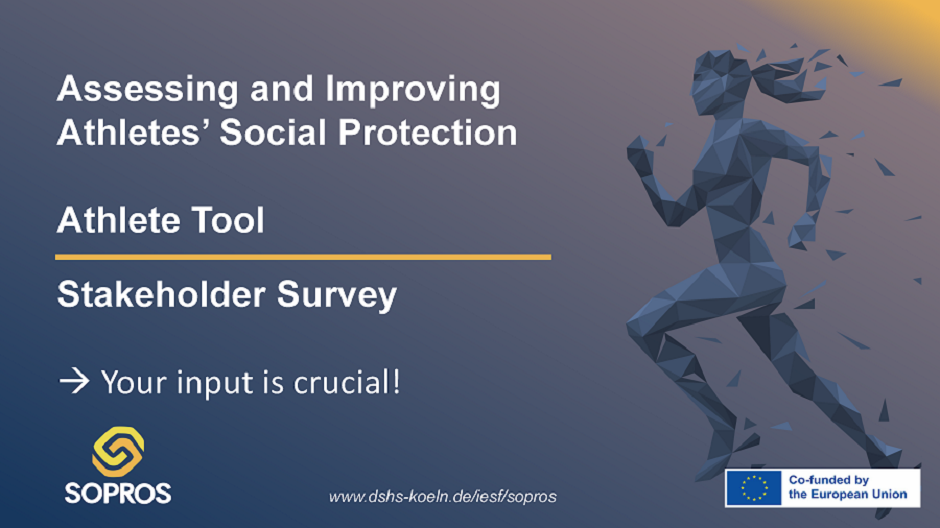
Help Shaping the Future of Social Protection in Sports with SOPROS – Your input is crucial!
The project attempts to draw a holistic picture of the current situation, identifying needs/risks or specific protection gaps for athletes. Contribution and first-hand insights from the affected athletes and the involved stakeholders are, therefore, of outstanding importance.
Two comprehensive data collection instruments which were jointly developed by the project partners in the initial phase of the project are now being disseminated among elite athletes and stakeholders from various countries and sports worldwide.
For Athletes
Our so-called Athlete Social Protection Check (ASPC) allows elite athletes to self-assess their personal social protection situation, to learn more about their statutory and athlete-specific entitlements, and to compare their coverage with athletes from other countries and sports. Besides, our Global Athlete Survey-Toolkit gives athletes the opportunity to express their personal views about their current social protection situation and stakeholders’ responsibility and duty of care.
Athletes can access the Athlete Social Protection Check and fill in the Survey via our dedicated website athletes-social-protection.eu until 15 December 2024.
For Stakeholders
Our Survey-Toolkit for Stakeholders gives stakeholders the opportunity to submit information about their organisation's activities in the area of athletes’ social protection, and to express their personal views about athletes' current social protection situation. The Survey can be accessed here also until 15 December 2024.
Upon completion of the data collection phase and analysis of participants’ responses, the project team will provide an overview of the key results and the next project steps here on this website.
Disclaimer: Funded by the European Union. Views and opinions expressed are however those of the author(s) only and do not necessarily reflect those of the European Union or the European Education and Culture Executive Agency. Neither the European Union nor the granting authority can be held responsible for them.