Anti-estrogens
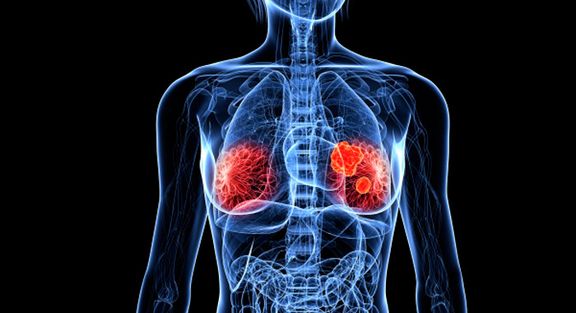
Antiestrogens (also known as anti-estrogens or estrogen antagonists) are substances that counteract the effects of the female sex hormone estrogen. Today, they are primarily used in medicine to treat breast cancer in women.
Chemically, antiestrogens are derivatives of diethylstilbestrol (see Fig. 1 for structural formula).
Diethylstilbestrol was used for its estrogenic effects in cases of threatened miscarriage during pregnancy and as an “emergency contraceptive pill.” It is no longer approved due to genital abnormalities in male and female offspring, as well as the development of carcinomas, e.g., in the vaginal area.
Examples of antiestrogens used therapeutically include tamoxifen (Fig. 2) and clomiphene (Fig. 3).
Significance as a Doping Agent
Anti-estrogens were first banned as doping substances by the IOC as of April 1, 2000. Anti-estrogens are used, on the one hand, in the misuse of anabolic steroids. When administered concurrently with the misuse of anabolic steroids, they are intended to counteract side effects of the anabolic steroids, such as gynecomastia (abnormal breast growth). It is believed that at high doses, anabolic steroids such as testosterone and nortestosterone are partially converted into estrogens and can trigger gynecomastia.
On the other hand, antiestrogens are said to lead to a slight increase in testosterone secretion. References to this can be found in so-called underground manuals for bodybuilders. Thus, receptor blockade for estrogens in the pituitary gland is said to trigger an increase in LH and FSH secretion, which leads to stimulation of testosterone production in men. This effect is reportedly exploited particularly by athletes at the end of an anabolic steroid cycle to more quickly restart their own testosterone production, which has been reduced by the exogenous hormone supply.



Side effects
Tamoxifen (Excerpt from the Red List)
Skin
- Rash (hypersensitivity reactions)
Musculoskeletal system
a Bone pain and pain in the area of the affected tissue (occasionally)
Nervous system and psyche
b Drowsiness
Eyes
c Visual disturbances (cataracts, corneal changes, and/or retinopathies) (isolated cases)
Gastrointestinal tract
d Gastrointestinal disorders (e.g., nausea, vomiting)
Liver, Bile
e Changes in liver enzyme levels, liver dysfunction (in isolated cases: cholestasis, hepatitis, jaundice; in one case: agranulocytosis with hepatocellular necrosis)
Electrolytes, metabolism, endocrine system
f Hot flashes
g Fluid retention
h Hypercalcemia (rare) (in patients with bone metastases)
i Vulvar pruritus
j Vaginal bleeding (rare)
k Endometrial changes: endometrial hyperplasia, endometrial polyps, endometrial carcinoma (isolated cases)
Note: Postmenopausal bleeding and irregular bleeding in premenopausal women should be evaluated by a specialist!
l Menstrual cycle changes up to complete suppression of menstruation (in premenopausal patients), ovarian cysts (occasionally)
Vessels
m Thromboembolism (isolated cases)
Blood
n Transient leukocytopenia, thrombocytopenia (usually with counts of 80–90,000/L, rarely lower, without hemorrhage)
o Agranulocytosis with hepatocyte necrosis (isolated case)
Immune system
p Hypersensitivity reactions, e.g., skin rash (in isolated cases: erythema multiforme, Stevens-Johnson syndrome, bullous pemphigus)
Clomiphene (excerpt from the Red List)
Skin
a Allergic skin reactions (rare)
b Transient hair loss (rare)
Nervous system and psyche
c Headaches (occasional, reversible)
d Nervousness, insomnia, drowsiness, depression, fatigue (rare)
Eyes
e Photosensitivity (rare)
f Visual disturbances (occasional); eye flickering, entoptic phenomena such as seeing spots or flashes of light (isolated cases) (reversible)
Gastrointestinal
tract g Lower abdominal discomfort, nausea, and vomiting (occasional, reversible)
Electrolytes, metabolism, endocrine system
– Salt retention (see Vascular system)
h Weight gain (rare)
i Polyfollicular reaction (multiple pregnancies possible), in exceptional cases progression to hyperstimulation syndrome. In extreme cases, pronounced ovarian cysts are accompanied by ascites and hydrothorax formation.
j Enlargement of the ovaries (common)
k Breast tenderness (occasional, reversible)
l Heavy menstrual bleeding (rare)
m Hot flashes (common)
Vascular system
n Increased risk of thromboembolic events in severe ovarian hyperstimulation due to salt retention, hemoconcentration, and increased platelet aggregation
Blood
—Hemoconcentration, increased platelet aggregation (see Vessels)
Urogenital tract
—Frequent urination (rare)