Pressemitteilungen
Filtern nach
17 results
-
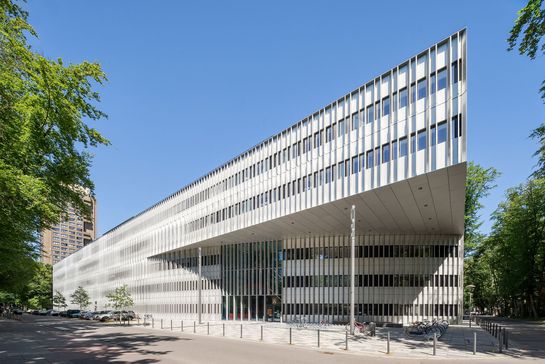 2026-05-21Press conference with Minister-President Hendrik Wüst and Minister for Science Ina Brandes On Tuesday 26 May 2026, the German Sport University Cologne will welcome Minister-President Hendrik Wüst and Minister for Science Ina Brandes to its campus in Cologne-Müngersdorf. The visit marks the handover…
 -
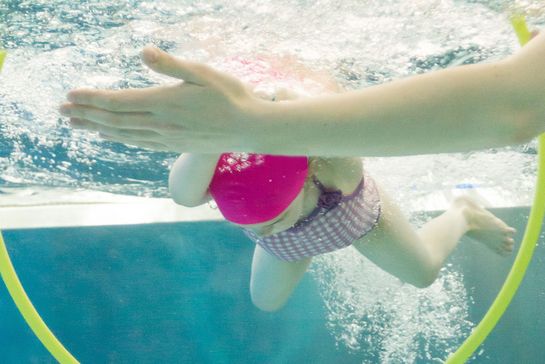 2026-05-19Researchers unveil the first digital system for measuring swimming ability – invitation to a practical demonstration on 28 May in Berlin. One in two children leaves primary school without being able to swim safely. At the same time, teachers delivering swimming lessons both in and out of school are…
 -
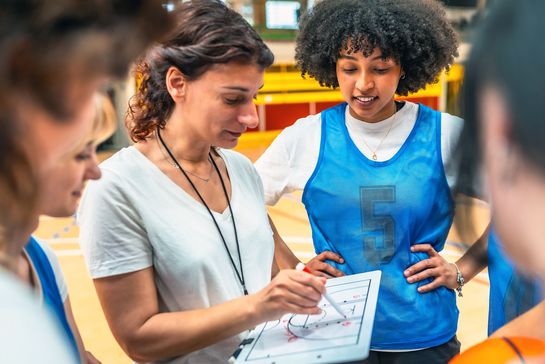 2026-06-29German Sport University Cologne invites you to the 2026 Trainerinnen-Symposium How can we attract more women to coaching in elite sport and retain them in the long term? What structural changes are needed to promote equal opportunities, a work-life balance and attractive career paths for female…
 -
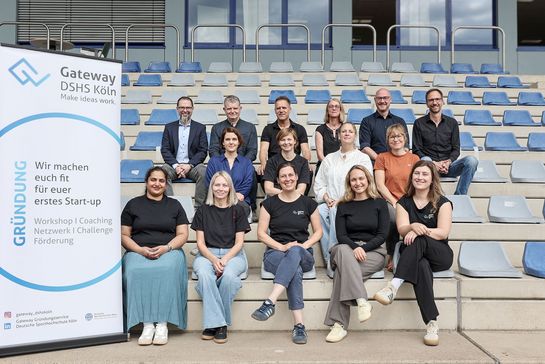 2026-06-15The State of North Rhine-Westphalia and the EU are funding the expansion of start-up support at the German Sport University Cologne until the end of 2028 The German Sport University Cologne is making a long-term commitment to strengthening its start-up support: as part of the ‘Start-up Center.NRW’…
 -
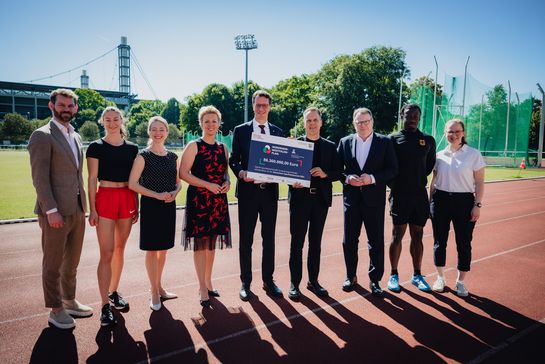 2026-05-26Minister-President Wüst and Minister for Science Brandes announce investment commitment to ensure the long-term sustainability of Germany’s only sports university The German Sport University Cologne is to receive over 86 million euros from the Nordrhein-Westfalen-Plan für gute Infrastruktur . The…
 -
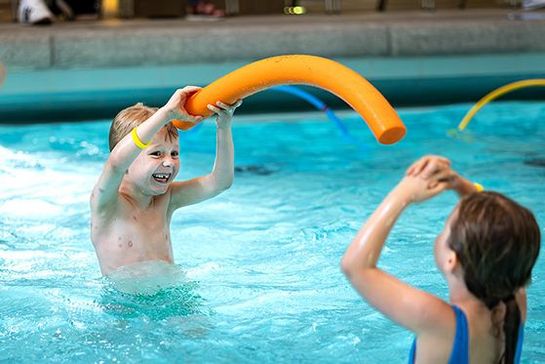 2026-06-01Closing symposium of the EuViS research project highlights the potential of digital diagnostics for promoting swimming among children One in two children leaves primary school without being able to swim confidently. At the same time, teachers delivering swimming lessons both in and out of school are…
 -
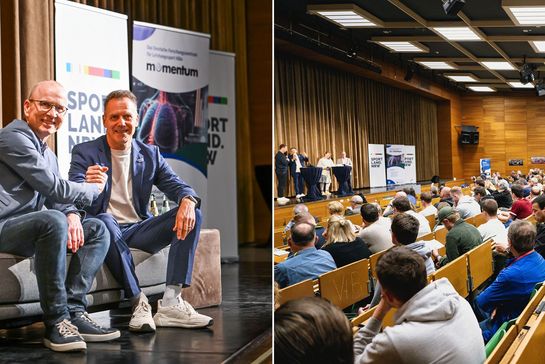 2026-04-28Two key institutions for training and further education in German elite sport are forging even closer ties: Under a new cooperation agreement, the German Sport University Cologne and the Trainerakademie Köln of Deutscher Olympischer Sportbund (DOSB) are pooling their expertise – with the clear aim…
 -
 2026-08-2023rd Annual Conference of the dvs-Kommission Gesundheit, 3–5 September, 2026, at the German Sport University Cologne Smartwatches, fitness apps, or digital rehabilitation programs: Today, digital technologies support millions of people in their sports activities and daily lives. They count steps,…
 -
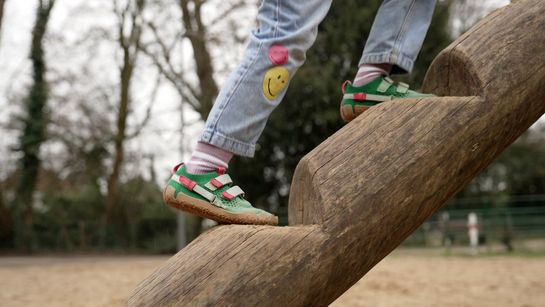 2026-03-12Children’s feet grow quickly — but shoes don’t. That’s why three students at the German Sport University Cologne have developed a children’s shoe whose size can be adjusted. With their startup, Sizeless, they aim to offer a solution to a problem that many families face. On 16th March, the team is…
 -
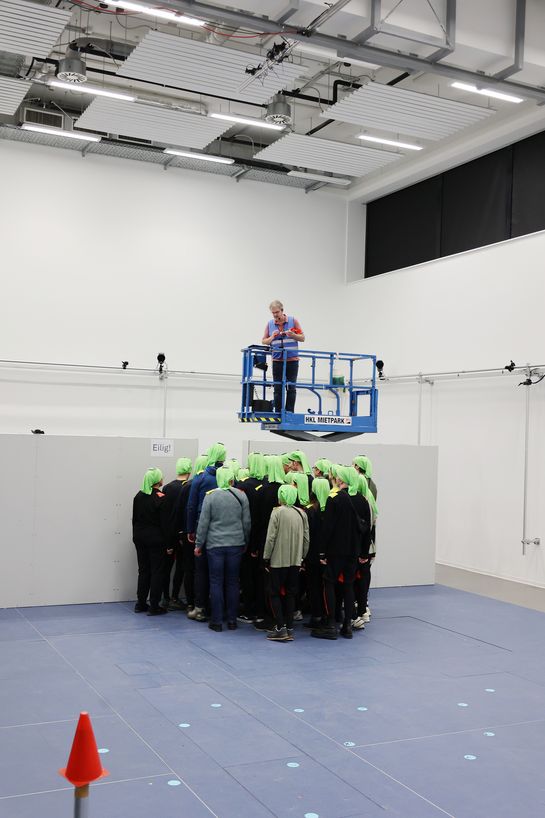 2026-01-21How Age and Fatigue Affect Safety in Crowds How do people move when space becomes limited? And what role do age and fatigue play in this? Researchers at the German Sport University Cologne and the Forschungszentrum Jülich are conducting experiments to investigate how age distribution and fatigue…