Cannabis
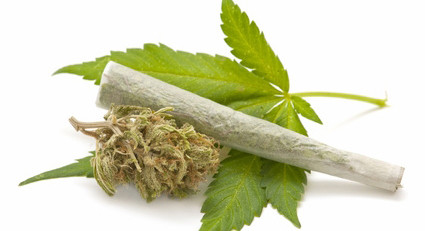

Definition
Cannabis (Cannabis sativa) is the common name for hemp. The best-known varieties of this genus are fiber hemp and Indian hemp. Indian hemp contains numerous compounds, with delta-9-tetrahydrocannabinol (THC) being the most potent of over 30 cannabinoids.
Cannabis is sold in various forms:
- Hashish (3–6% THC): The resin from the buds of the flowering female plant
- Marijuana (1–3% THC): Tobacco made from the dried leaves and flowers.
- Hashish oil (30–50% THC)
History
Cannabis is said to have been known to the Chinese (Emperor Shen Nung, 3rd millennium BCE) and used to treat diseases such as beriberi and malaria. Among the ancient Scythians in Asia Minor, cannabis is said to have been used to treat illnesses, but also in ceremonies for the deceased.
In Europe, it is said to have been spread and popularized in the 18th century by French soldiers following Napoleon’s Egyptian campaign. The drug quickly spread throughout the world.
Historically, fiber hemp has played an important role as a source of raw materials for ropes, textiles, and even paper. As early as 8000 BCE, textiles were being woven from hemp in China. Today, hemp is once again being used more extensively in textile production, particularly as interest in clothing made from natural fibers has grown. Fiber hemp contains virtually no THC.
Significance as a Doping Agent
The use of cannabis does not actually lead to improved athletic performance. However, due to the sedative (calming) effects of cannabis, an athlete in dangerous sports (e.g., downhill cycling) may be more willing to take risks during competition, which may, under certain circumstances, result in a better performance.
In team sports, an athlete under the influence of cannabis may pose a danger to teammates, as the sedative effect causes them to feel detached from the current game situation and may lead them to take greater risks in one-on-one situations. Especially in motorsports, downhill skiing, and similarly dangerous sports, an athlete who uses cannabis poses an increased risk of accidents.
Furthermore, higher doses of cannabis lead to impaired coordination. For these reasons, cannabis has been banned from competition in many sports.
Anti-Doping Regulations
As of January 1999, the IOC banned the use of cannabis as a doping substance in competition for all sports. WADA has maintained this ban since 2004.
However, consuming large amounts of cannabis during the training phase can result in the primary metabolite of THC (mass spectrum THC carboxylic acid) remaining detectable even weeks later. Due to the possibility that athletes may passively inhale THC when they are in rooms with people who, for example, are smoking marijuana, a threshold of 15 ng/ml (see also new threshold below) was established in urine, and only samples with higher concentrations were considered positive.
The long detection window for cannabis means that athletes should generally not consume cannabis during the training phase.
New Threshold for Cannabis !!!
On May 13, 2013, the World Anti-Doping Agency (WADA) announced that the threshold for THC carboxylic acid would be raised to 150 ng/ml. Since cannabis is prohibited only on competition day, WADA states that this threshold should be sufficient to detect doping-related use of THC on competition day.
Cannabis as a Medication
Tetrahydrocannabinol is marketed as a medication under the name Dronabinol, for example in the
United States as Marinol®.
Dronabinol is an oral form of tetrahydrocannabinol used to treat loss of appetite and weight loss in AIDS patients, as well as nausea and vomiting associated with chemotherapy.
Effects
The effects of tetrahydrocannabinol (THC) are very diverse and are not yet fully understood. The same naturally applies to the possible side effects. THC’s effects are mediated via the cannabinoid receptor, which is found in various areas of the brain (e.g., basal ganglia).
THC primarily has psychotropic effects. A distinction is made between acute and chronic effects:
Acute effects
Acute effects include a feeling of relaxation, mild euphoria, and a sense of detachment from everyday problems. Sensory stimuli are perceived more intensely, and thought processes are experienced as more imaginative and intoxicating.
The amount of the drug administered plays a decisive role here. At doses up to 5 mg of THC, sedative (calming) effects are said to predominate, while at doses above 15 mg of THC, agitation and even psychotic episodes are possible. Cannabis also has analgesic, antiemetic, and antiepileptic effects.
Chronic Effects
With chronic use, tolerance can develop, meaning the dose must be increased to experience the same level of potency. Cannabis can lead to psychological dependence. There is no conclusive data on the development of physical dependence. However, mild withdrawal symptoms are reported upon discontinuation of the drug, such as restlessness, sleep disturbances, and nausea.
With prolonged use, personality changes are to be expected, which manifest as a lack of motivation and a lack of interest in tasks and problem-solving.