Narcotics
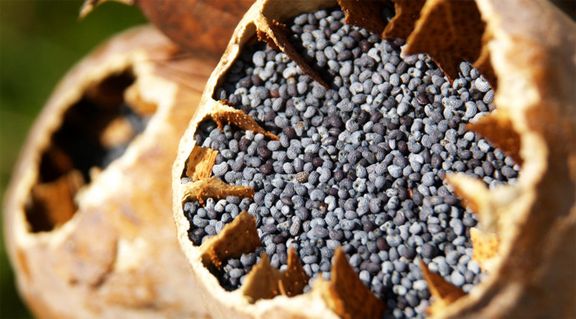
The group of narcotics includes morphine-type opioid analgesics, while all non-opioid analgesics, such as aspirin, naproxen, or Voltaren, are permitted. In recent years, some substances (e.g., codeine, ethylmorphine, and dextropropoxyphene) have been removed from the prohibited list due to their weak analgesic effect compared to morphine.
Since January 1, 2005, the World Anti-Doping Agency has prohibited only 10 substances in this group, as well as the substance fentanyl and its derivatives. The substances in this class consist primarily of morphine and its chemical relatives. Their primary effect is pain relief. They are therefore also referred to as potent analgesics.
The correct term for this group of narcotics would actually be:
Potent morphine-type analgesics
The abuse of these compounds in sports in previous years was the reason the IOC placed these substances on the list of prohibited substances.
"This ban is further justified by the fact that national laws and international agreements restrict the distribution and use of these substances. A ban on these substances is also in line with the World Health Organization’s recommendations regarding the control and abuse of narcotics" (from Donike and Rauth, 1996)
WADA - Prohibited List 1/1/2026
S7 - Narcotics
The following narcotics, including all optical isomers, e.g., d- and l- where relevant, are prohibited:
• Buprenorphine • Dextromoramide • Diamorphine (heroin) • Fentanyl and its derivatives • Hydromorphone • Methadone • Morphine • Nicomorphine • Oxycodone • Oxymorphone • Pentazocine • Pethidine •
Tramadol
_____________________________________________________________
Chemical structural formulas of narcotics