Aromatase inhibitors
Definition
The use of aromatase inhibitors in men was first banned by the IOC as of September 1, 2001. Until the end of 2002, aromatase inhibitors were listed under the group “Peptide hormones, analogs, and mimetic compounds.” However, as of January 1, 2003, a separate prohibited group of substances, “Substances with antiestrogenic effects,” was established for this purpose. As of January 1, 2005, aromatase inhibitors were also banned for women. As of January 1, 2008, the group was renamed “Hormone Antagonists and Modulators.” The group was renamed again in early 2012 to “Hormones and Metabolic Modulators.”
The following section explains what aromatase inhibitors are and why they have been banned by the IOC and WADA.
Aromatase is an enzyme that plays a significant role in the biosynthesis of steroid hormones, particularly in the synthesis of estradiol, a sex hormone in women. In steroid biosynthesis, estradiol is formed from testosterone (the primary male sex hormone) or from androstenedione, which is first converted to estrone and then to estradiol (see Fig. 1). In this process, the left ring (A-ring) of the cyclic system is aromatized (red ring = aromat, here a substituted phenyl ring).
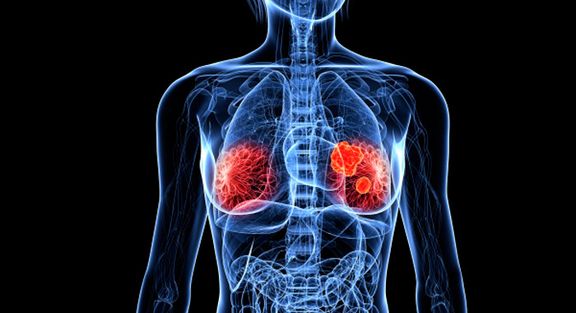
Inhibition of aromatase leads to a reduction in the biosynthesis of estrogen from testosterone or androstenedione in women. Estrogens play a significant role in the growth of hormone-dependent breast cancer. Inhibition of the enzyme aromatase by aromatase inhibitors reduces estrogen biosynthesis in peripheral tissues and tumor tissue, which can lead to tumor regression.

Currently, three groups of aromatase inhibitors are distinguished:
- Aminoglutethimide
- Non-steroidal aromatase inhibitors (anastrozole, letrozole, vorozole)
- Steroidal aromatase inhibitors (exemestane, formestane)
Significance as a doping agent
The misuse of these substances in sports is justified by the fact that, on the one hand, the use of aromatase inhibitors is intended to reduce side effects caused by the misuse of anabolic steroids. For example, gynecomastia (abnormal breast growth) has been reported in male users of anabolic steroids. The cause of gynecomastia is essentially explained as an estrogenic side effect, which is possible due to the conversion of anabolic steroids into estrogens.
See also: Side Effects of Anabolic Steroids
The second reason for the misuse of aromatase inhibitors is also attributed to the inhibition of estrogen production, which is said to simultaneously increase testosterone levels in the blood. Furthermore, it is claimed that there is increased stimulation of testosterone biosynthesis. However, this has not been scientifically proven. Testosterone is known to have anabolic effects, which could explain a performance-enhancing effect.
Side Effects
The side effects of aromatase inhibitors are extensive. For example, the product description for aminoglutethimide lists the following adverse effects: fatigue, drowsiness, confusion, apathy, restlessness, depressive mood, adynamia, difficulty sleeping through the night, ataxia at higher doses; nausea, vomiting, constipation, diarrhea; rarely dizziness, headache, anorexia with taste disturbances; hyponatremia, hypotension. Dose-independent in the first 7–14 days; rash possible; dermatitis, Stevens-Johnson syndrome; in isolated cases, hypothyroidism requiring treatment; anemia, leukopenia, agranulocytosis, thrombocytopenia, or pancytopenia; isolated cases of allergic alveolitis; relatively frequent elevation of gamma-GT, hepatitis.
See also Anti-estrogen