Cocaine
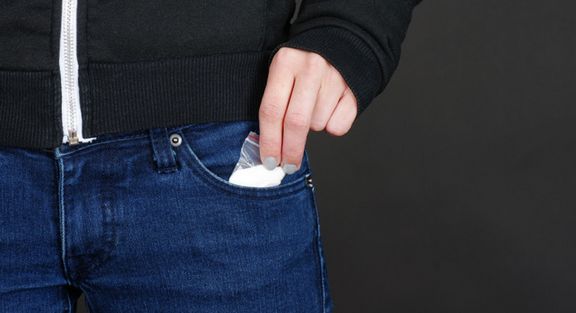

Definition
Cocaine is an alkaloid (Fig. 1) derived from Erythroxylum coca, a shrub native to northern South America. The leaves of the coca shrub contain cocaine. Because of their stimulating effect on the mind, they have been chewed for more than a millennium.
History
In Inca culture, coca was considered a gift from the sun god. In the mid-19th century, coca leaves made their way to Europe. In 1860, the German chemist Albert Niemann isolated pure cocaine from coca leaves. Sigmund Freud recommended cocaine (1884) as a so-called “magic remedy.”
Significance as a Doping Substance
Cocaine is listed as a banned doping substance in the group of stimulants. The handling (trafficking and possession) of cocaine is prohibited under the Narcotics Act.
Effects
Cocaine inhibits the cell membrane transporters for norepinephrine, dopamine, and serotonin. Only at high concentrations does it block voltage-gated Na+ channels, thereby acting as a local anesthetic.
A distinction is made between central nervous system and peripheral effects:
Central nervous system effects:
- Reduction of fatigue
- Feeling of well-being and increased performance
- Increase in pleasant feelings
- Suppression of hunger
The increase in euphoria is attributed to the increased dopamine effect.
Tolerance to the euphoric effect develops rapidly.
Central nervous system side effects
- Restlessness and anxiety
- Hallucinations (high doses)
- Seizures
- Psychosis
- Psychological dependence
- Withdrawal symptoms, e.g., depression
Peripheral effects (circulatory effects)
- The effect of norepinephrine in sympathetic tissue is increased
- Increased heart rate and blood pressure
- Increased sympathetic tone in the central nervous system
Side effects
- Vascular ruptures due to increased blood pressure
- Vasoconstriction and myocardial infarction
- Sudden death due to ventricular fibrillation and myocardial infarction
Route of administration and potency
Injection into the bloodstream > Inhalation > Gastrointestinal tract Cocaine
abuse
- Snorted as hydrochloride (2 mg/kg)
- Intravenous injection (0.5 mg/kg)
- Smoked as free base "crack" (1 mg/kg)
Treatment of poisoning is difficult, with measures to promote blood circulation being the primary focus. The following medications may be used: nitrovasodilators, calcium channel blockers, adrenergic receptor antagonists.