Glucocorticoids
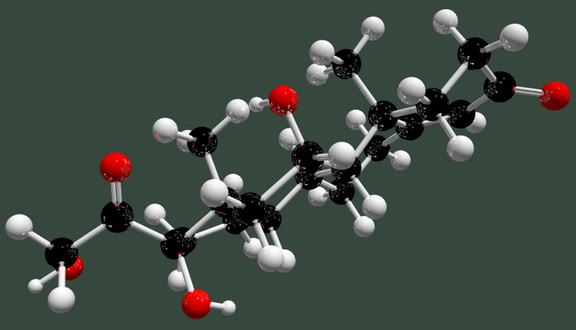
History
Since 1975, the IOC Medical Commission had sought to reduce the use of glucocorticoids during the Olympic Games by requiring a certificate from the team physician following administration. All international sports federations had adopted this rule. The aim was to prevent the uncontrolled use of these compounds.
The reason for this was that glucocorticoids were being abused in some sports—orally, intramuscularly, and even intravenously—for non-medical reasons. The fact that they severely weaken the immune system with prolonged use makes their use seem counterproductive. It is believed that the euphoric effects of glucocorticoids are likely one of the main reasons for their abuse.
Current Regulations
The use of glucocorticoids is prohibited when administered systemically. This includes the following forms of administration: intramuscular and intravenous injection, as well as oral and rectal administration.
Glucocorticoids are not prohibited when used topically (ear, eye, and skin), in inhalation therapies (e.g., asthma), or in local or intra-articular injections.
WADA - Prohibited List 1/1/2026
All glucocorticoids are prohibited when administered by any injectable, oral [including oromucosal (e.g., buccal, gingival, sublingual)] or rectal route. Including, but not limited to:
• Beclometasone • Betamethasone • Budesonide • Ciclesonide • Cortisone • Deflazacort • Dexamethasone • Flunisolide • Fluocortolone • Fluticasone • Hydrocortisone • Methylprednisolone • Mometasone • Prednisolone • Prednisone • Triamcinolone acetonide
Note Other routes of administration (including inhaled, and topical: dental-intracanal, dermal, intranasal, ophthalmological, otic, and perianal) are not prohibited when used within the manufacturer’s licensed doses and therapeutic indications. NOT
Action
Based on their effects, the hormones synthesized in the adrenal glands can be classified as follows:
- Glucocorticoids
- Mineralocorticoids and
- Androgens
Glucocorticoids are involved in the regulation of carbohydrate metabolism. However, they also influence fat and protein metabolism. Their synthesis and secretion increase under stress. The most important endogenous glucocorticoid is cortisol.

Effects of Glucocorticoids on Metabolism
Glucocorticoids promote the synthesis of glucose from amino acids (gluconeogenesis) released during protein breakdown. Glucose turnover is increased. More glycogen is formed in the liver. However, they have a catabolic effect because they promote protein breakdown. This leads to a negative nitrogen balance.
They influence fat metabolism by having a lipolytic effect—similar to catecholamines—meaning they promote the breakdown of fats into glycerol and free fatty acids. With long-term high-dose use, fat redistribution occurs, with a decrease in the fat layer on the extremities and an increase in fat on the trunk, neck, and face (moon face and trunk obesity of Cushing’s syndrome)
Effects of glucocorticoids on the immune system
Elevated cortisol concentrations lead to the suppression of immunological and inflammatory processes. The anti-inflammatory effect depends on the direct action of the glucocorticoid in the site of inflammation. There, they inhibit various processes involved in edema formation and the inflammatory response.
For example, they stabilize the cell membranes of lysosomes, thereby preventing the release of lysosomal enzymes. These enzymes promote the inflammatory process. (Lysosomes are cellular organelles that break down intracellular materials, such as defective cellular organelles.) Among other things, they inhibit the synthesis of various eicosanoids—such as prostaglandins, leukotrienes, and thromboxanes—which are released in injured tissue and promote the inflammatory process.