Academic Studies and Teaching


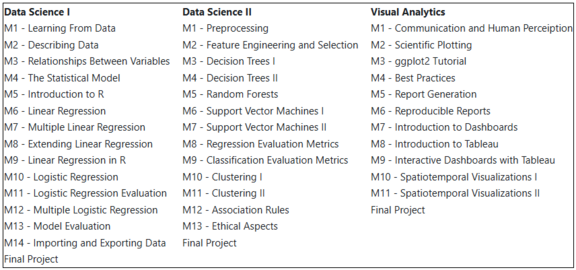
uLKIS - a course designed to teach machine learning to sports science students
The course consists of three modules (Data Science I, Data Science II, and Visual Analytics), each of which is designed to last one semester. While the Visual Analytics module is currently under development and will most likely be completed by December 2023, the Data Science I and Data Science II modules are already available on Moodle.
Each of the three modules consists of 13 to 14 sessions and a final project. Each session consists of a presentation on the respective topic by one of the instructors and a set of assignments that you can complete to check whether you have grasped the key points of the session. The presentation is available as a video file, and you can also directly access the presentation slides. The assignment set is available as a Moodle quiz, but you can also directly access the questions and answers via the assignment PDF files. A video explaining the solutions to the assignments is also available, in which the lecturers provide in-depth explanations. Where applicable, the sessions also include R scripts of the code used during the sessions. All datasets referenced during the sessions are available for download at the top of the course.
Theses
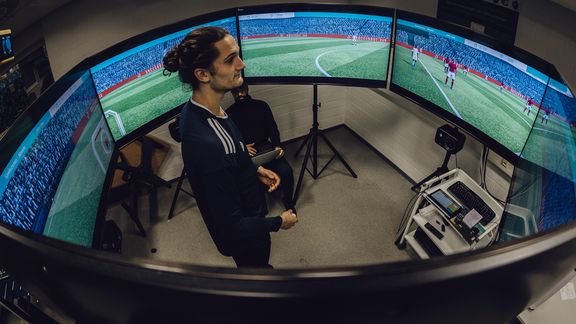
Topic: Introductory Orientation in Competitive Soccer
We are accepting thesis proposals that focus on pre-orientation in soccer. Pre-orientation in soccer describes a player’s ability to actively perceive their surroundings and gather relevant information before receiving the ball. It is closely related to passing quality, as well-oriented players make better decisions and can deliver more accurate passes.
Contact: Prof. Daniel Memmert

Topic: Replicability, Reproducibility, and Open Science in Sports Science
Preliminary findings suggest that re-examining or reanalyzing sports science studies can sometimes yield significantly different results. For example, a thesis could involve reanalyzing a study, examining current practices in data and code sharing, or exploring the impact of pre-registration on the results of sports science research.
Contact: Prof. Daniel Memmert, Simon Nolte
Topic: Research Methods and Meta-Analyses in Sports Science // Methods of Experimental Research and Meta-Analysis in Sports Science
What is the current state of sports science? Theses addressing this question can be written in the following areas, among others: sample size and statistical power in experimental studies in sports science, effect size calculation in meta-analyses, and evaluation of the quality of sports science studies.
Contact: Prof. Daniel Memmert, Simon Nolte
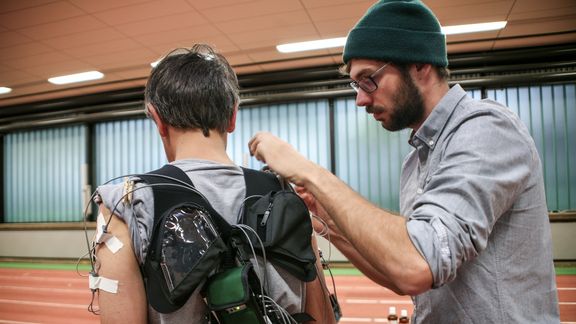
Topic: Data Analysis and Data Science in Individual Sports (particularly endurance sports)
The collection and analysis of data is playing an increasingly important role in training and competition in individual sports, particularly in the field of endurance sports. A thesis could, for example, address topics such as the prediction of competition performance, data-driven training analysis, or the modeling of individual performance development.
Contact: Prof. Daniel Memmert, Simon Nolte
Topic: Motor and Cognitive Creativity in Pool
To study motor and cognitive creativity in real-world environments, we are offering a series of thesis projects in the sport of pool. No prior experience with pool is required.
Contact: Prof. Dr. Daniel Memmert
Thesis on Expected Goals and Action Value Models
This thesis aims to compare different expected goals and action value models. To this end, we will collect expert-based evaluations of shots on goal and plays, which will serve as the basis for analyzing the quantitative models.
Contact: Prof. Daniel Memmert, Simon Nolte
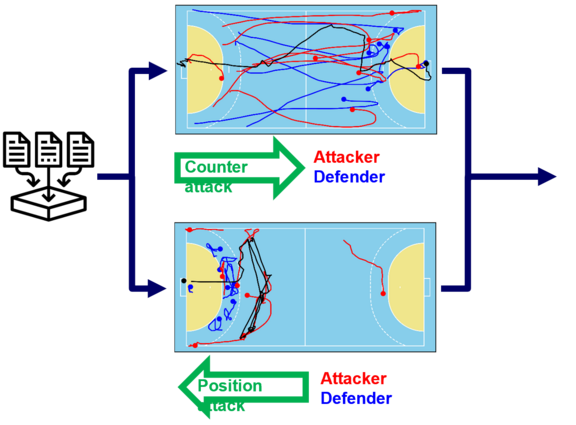
Theses (B.A./M.A.) on Position Data in Team Sports
Topic: Invasion Games: Similarities Between Handball and Soccer in the Fast Break
Handball and soccer are both classified as invasion games. The goal in these team sports is to occupy key areas of the field that determine the outcome of the game. The goal of this project is therefore to identify similarities between handball and soccer in fast breaks. Depending on prior experience, the work can be conducted primarily using video analysis or positional data. The aim of the project is to identify common strategies that can be generalized across both disciplines. The project is particularly suitable for those interested in soccer and/or handball and/or sports analytics.
Contact: Robert Rein (r.rein@dshs-koeln.de)
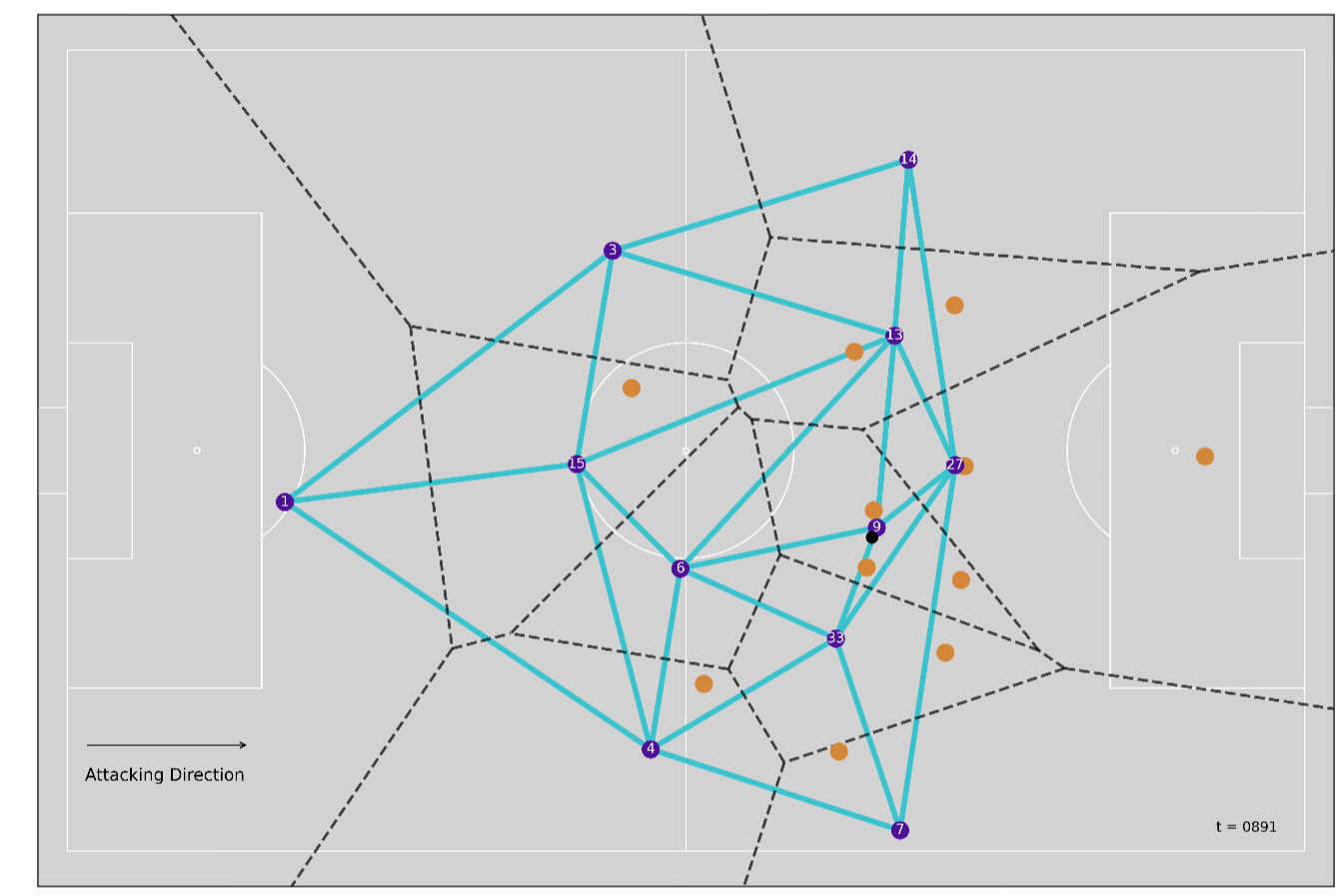
Theses (B.A./M.A.) in the field of soccer
Topic: Train as you play
As part of the “Train as you play” research project, two thesis topics are available. One thesis involves validating a soccer shooting test. Participants must hit various targets suspended in a soccer goal by means of a shot. The goal is to determine the validity and, above all, the reliability of this test.
The goal of the second project is to investigate the qualitative improvement in shooting technique depending on two different teaching methods. To this end, a conventional technical exercise series based on DFB recommendations will be compared with a small-field game method. The intervention data, including the necessary video recordings, have been or are currently being collected. The project is particularly suitable for those with an interest in soccer.
Contact: Robert Rein (r.rein@dshs-koeln.de)
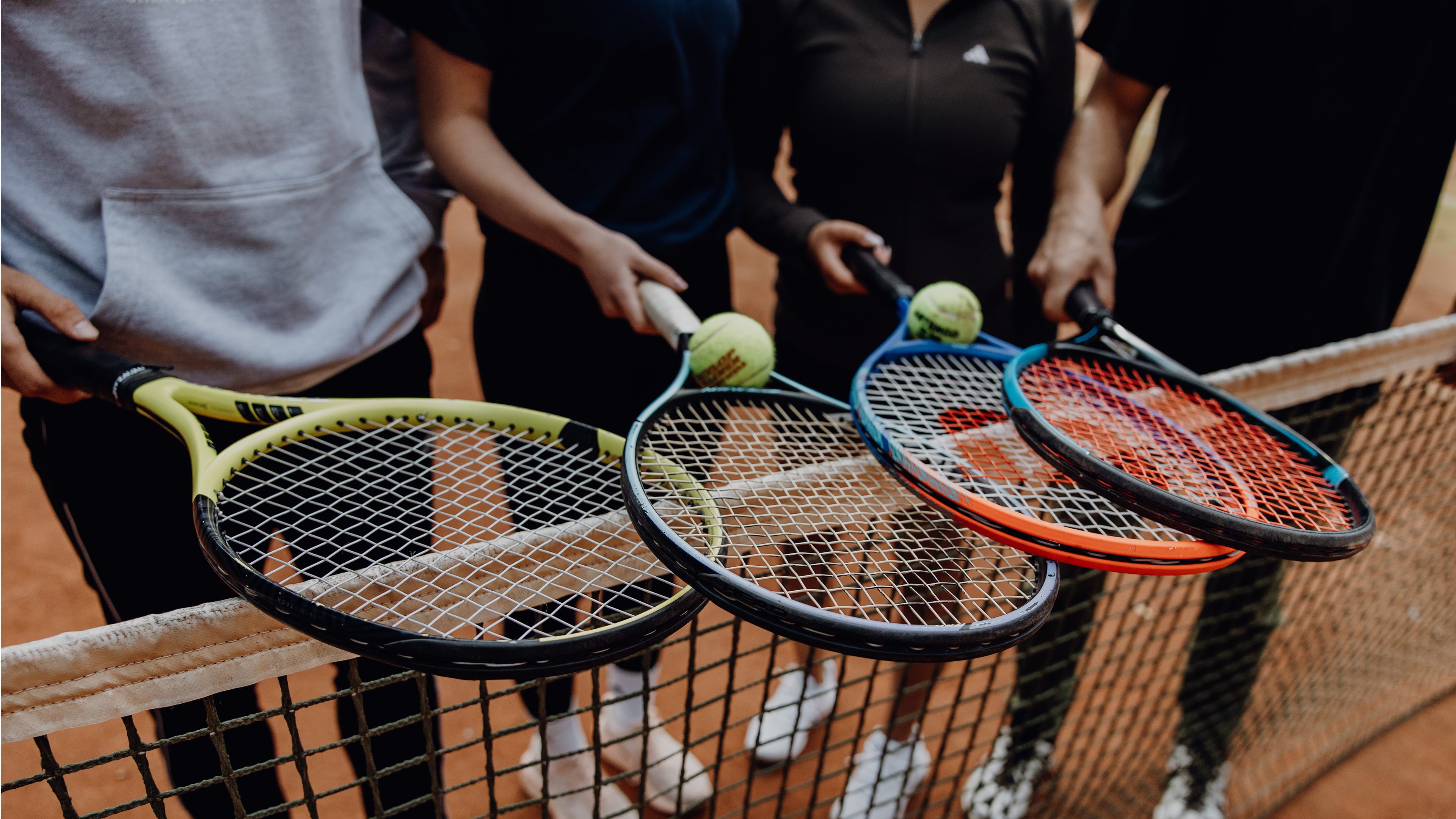
Theses (B.A./M.A.) in the field of combat sports
Topic: Bats everywhere: Transfer of motor skills across striking sports
The project aims to investigate the extent to which motor skills can be transferred between racket sports. Baseball, a sport less common in Germany, will be used as the test sport. Athletes from badminton, tennis, squash, golf, hockey, ice hockey, table tennis, and baseball will undergo standardized testing at a baseball batting cage. The measured hitting performance will be compared with that of athletes from sports not classified as hitting sports. The project is particularly suitable for those interested in hitting sports.
Contact: Robert Rein (r.rein@dshs-koeln.de)
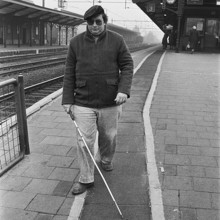
Theses (B.A./M.A.) in the field of motor skills
Topic: Where Am I? Perceiving the Environment Through Tactile Information
To move around, we rely on perceiving our surroundings through our senses. In addition to the dominant visual and auditory stimuli, this also includes tactile stimuli. In particular, humans are able to perceive their surroundings through objects. A typical example is the use of canes by blind people. However, the processes underlying these perceptual abilities are still poorly understood. The goal of the project is therefore to better understand these processes through simple experiments. The project is particularly suitable for students interested in writing a thesis in the field of motor research. The experimental setup is already complete and ready for use. The project is particularly suitable for students interested in writing a thesis in the field of motor research, specifically in the area of perception.
Contact: Robert Rein (r.rein@dshs-koeln.de)
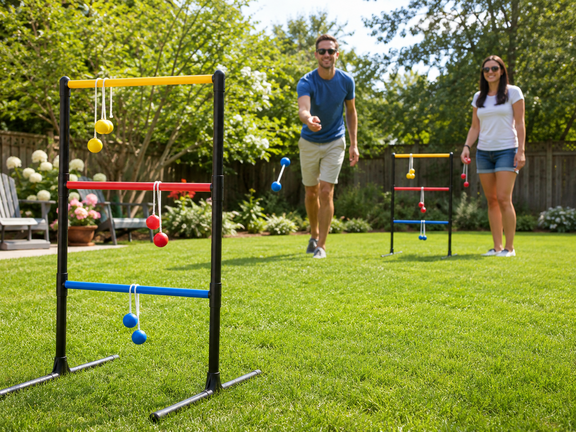
Topic: Ladder golf: Throwing strategies in ladder golf
Ladder Golf is a fun outdoor game that combines skill, precision, and fun. It consists of a simple piece of equipment made up of two poles shaped like an inverted "L." At the ends of the poles are horizontal rungs onto which bolas (two balls connected by a rope) are thrown. Due to the design of the throwing apparatus, ladder golf is characterized by a high degree of difficulty and is therefore well-suited as a subject for investigating motor processes related to coordination and motor learning. The initial goal of the project is to identify and examine the optimal throwing strategies in ladder golf. The project is particularly suitable for those interested in writing a thesis in the field of motor skills research, especially in the area of motor learning.
Contact: Robert Rein (r.rein@dshs-koeln.de)
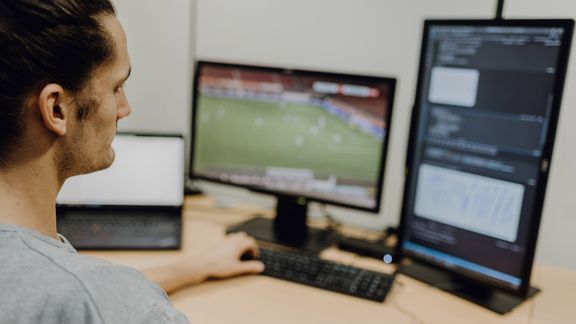
Topic: Quantitative Game Analysis of Successful Possession Phases Based on the German Men's Bundesliga
Research areas (including): Video analysis, combining video and positional data, identifying successful offensive and defensive strategies
Contact: Maximilian Klemp, Prof. Dr. Daniel Memmert
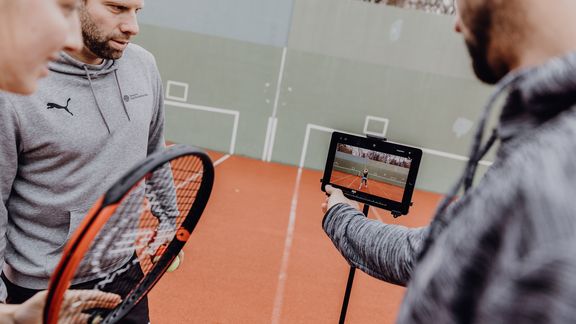
Topic: Testing and training cognitive skills (anticipation, perception, attention, creativity, game intelligence, memory) in various sports (handball, basketball, soccer, volleyball, tennis, table tennis, etc.)
Topics (including): Talent, player profiles, scouting,
training methods,
periodization, individual tactics, coaching behavior
Contact: Prof. Dr. Daniel Memmert
Topic: Experimental Analysis of Game Tactics in 11-a-side Soccer Based on Position Data
Topics (including): Game systems, pressing strategies, team tactics, coaching.
Behavior
Contact: Prof. Dr. Daniel Memmert
Topic: Determining the Validity and Reliability of a Soccer-Specific Testing Protocol
To assess inhibitory control, cognitive flexibility, and working memory.
Contact: Prof. Dr. Daniel Memmert
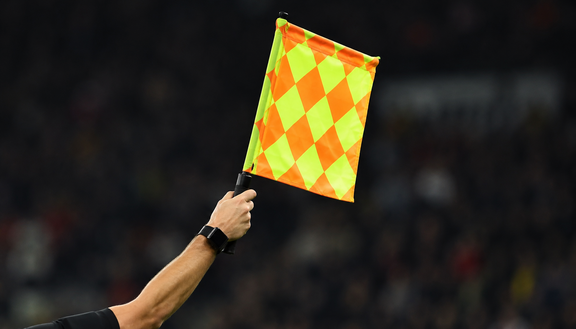
Topic: The Effect of Differences in Brightness on Offside Calls in Soccer
Experimental game analysis based on positional data. The aim is to address questions related to tactics, strategy, and attention.
Contact: Prof. Dr. Daniel Memmert
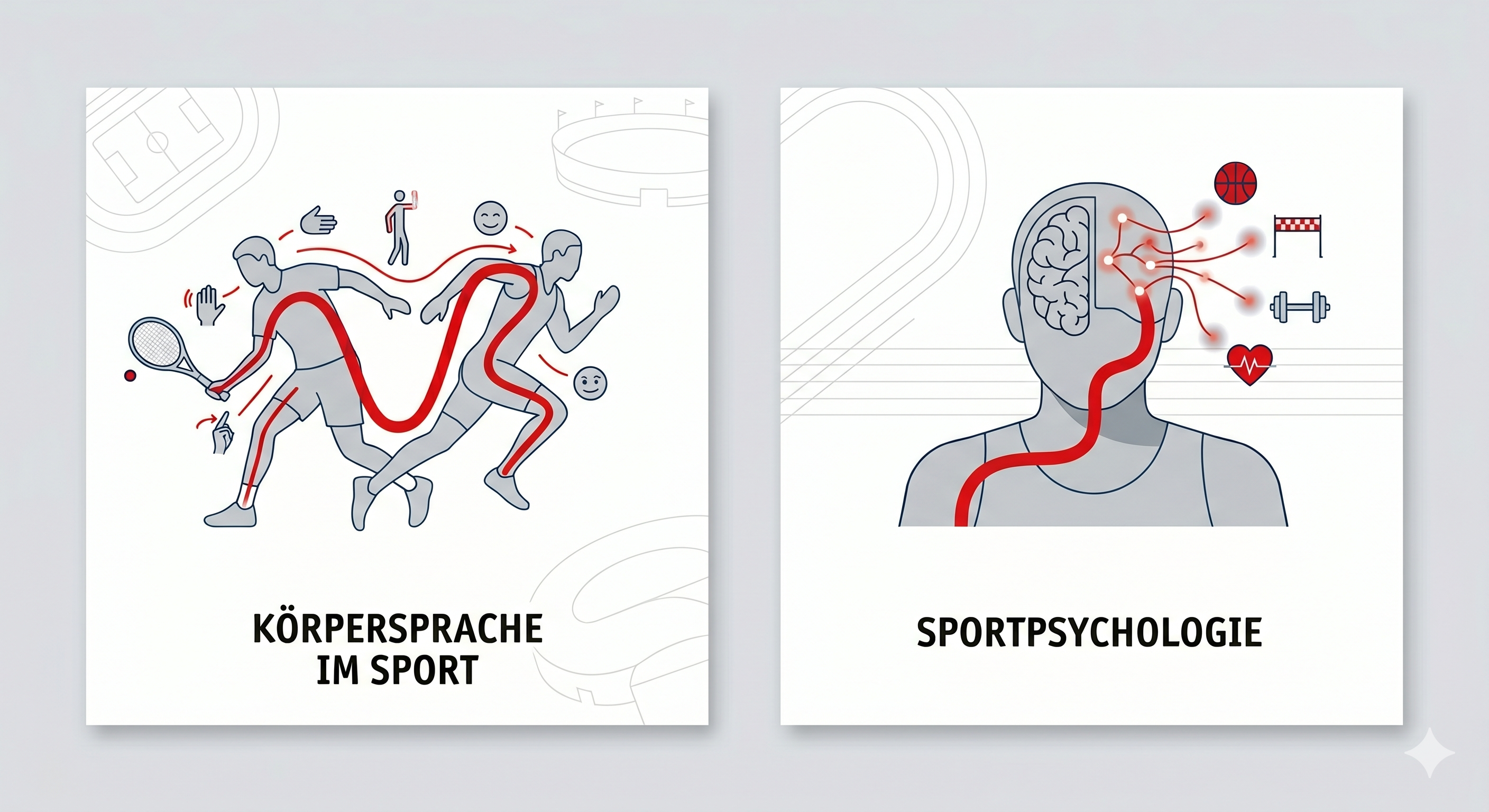
Topic: Body Language in Sports
Contact person: Dr. Philip Furley
Topic: Sports Psychology
Contact person: Dr. Philip Furley