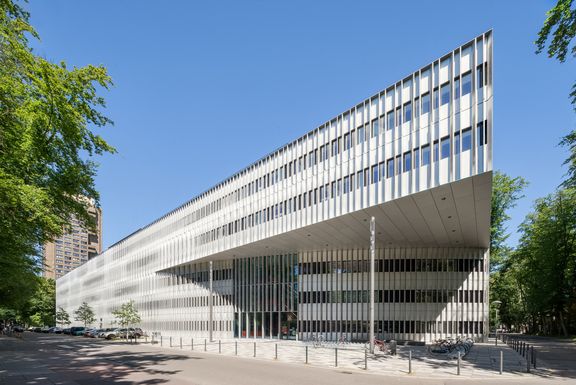
A campus designed for research

A space for innovative research in sport
As Europe’s largest sports university, the German Sport University Cologne boasts a research infrastructure that sets new standards in terms of scope, quality and specialisation. The campus is consistently geared towards scientific work and offers ideal conditions for advancing innovative and pioneering research in sport and the movement sciences.
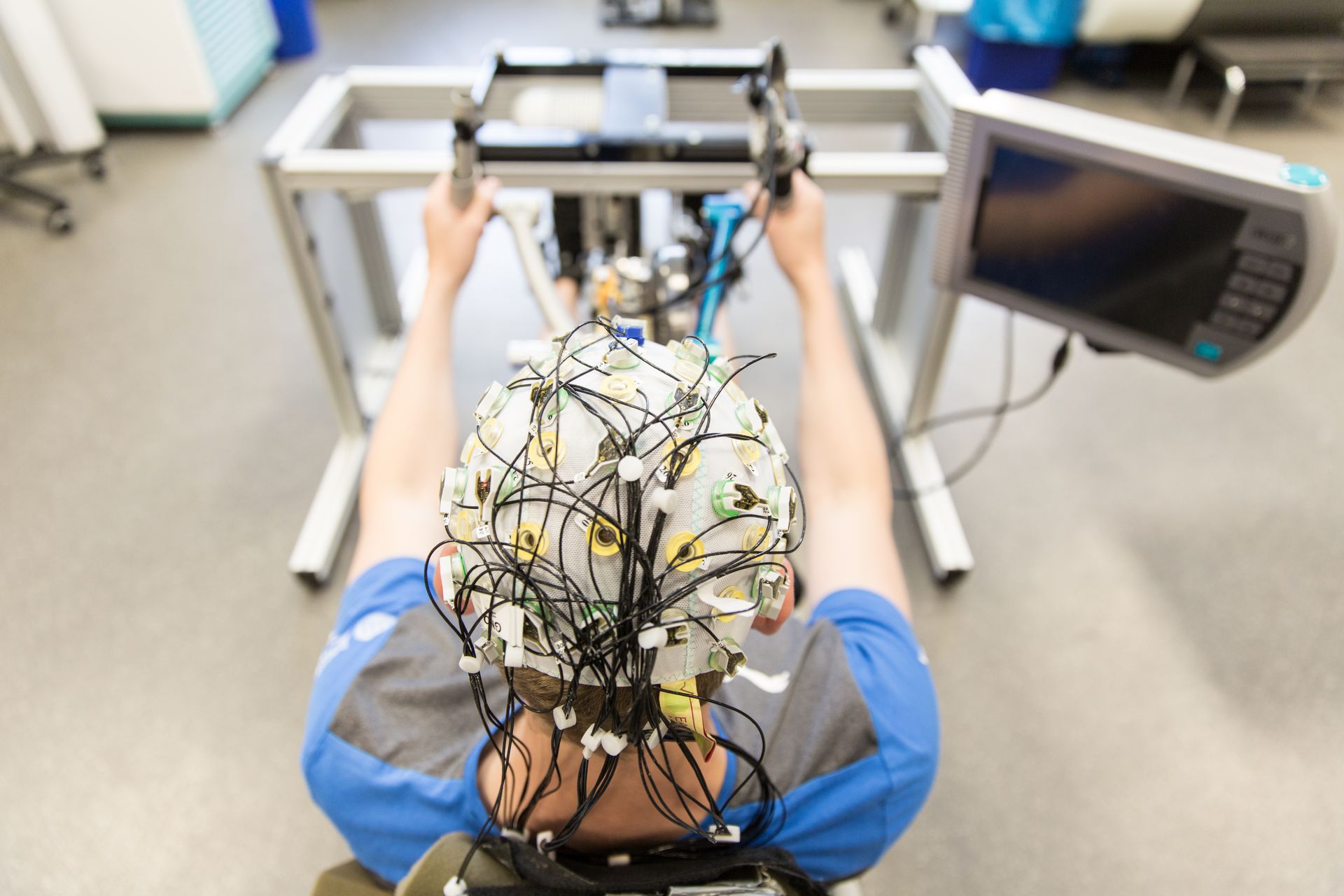
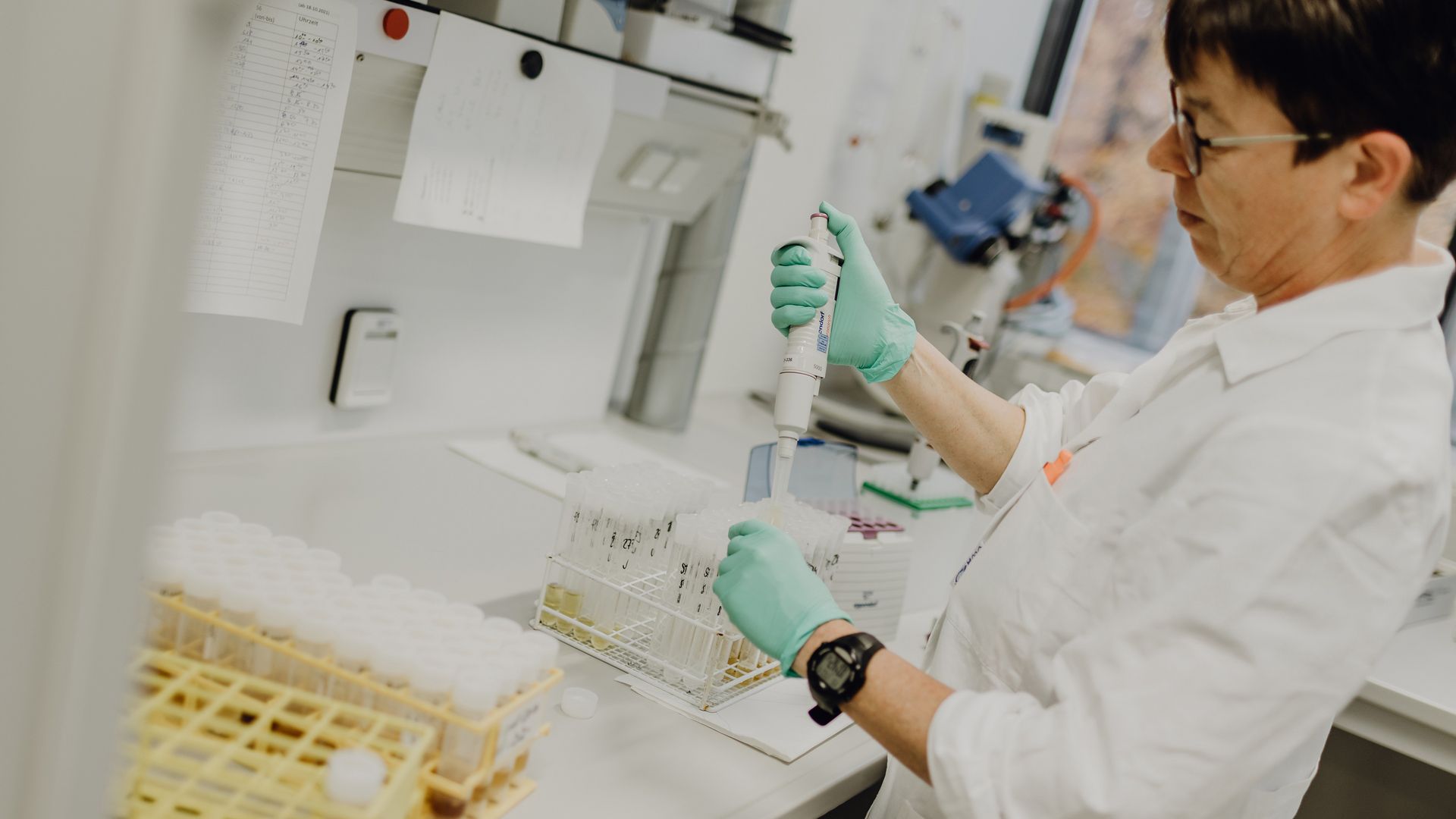
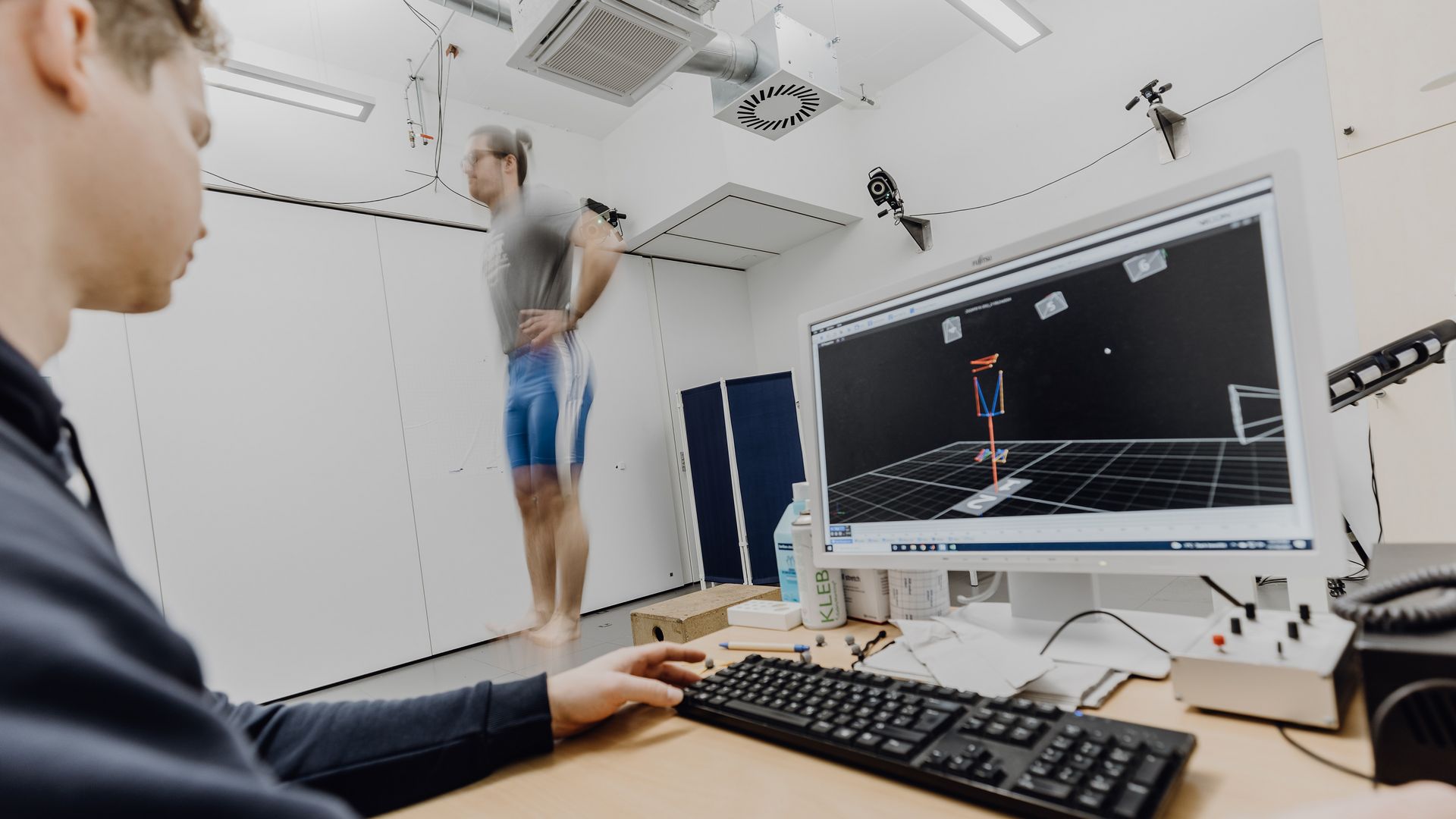
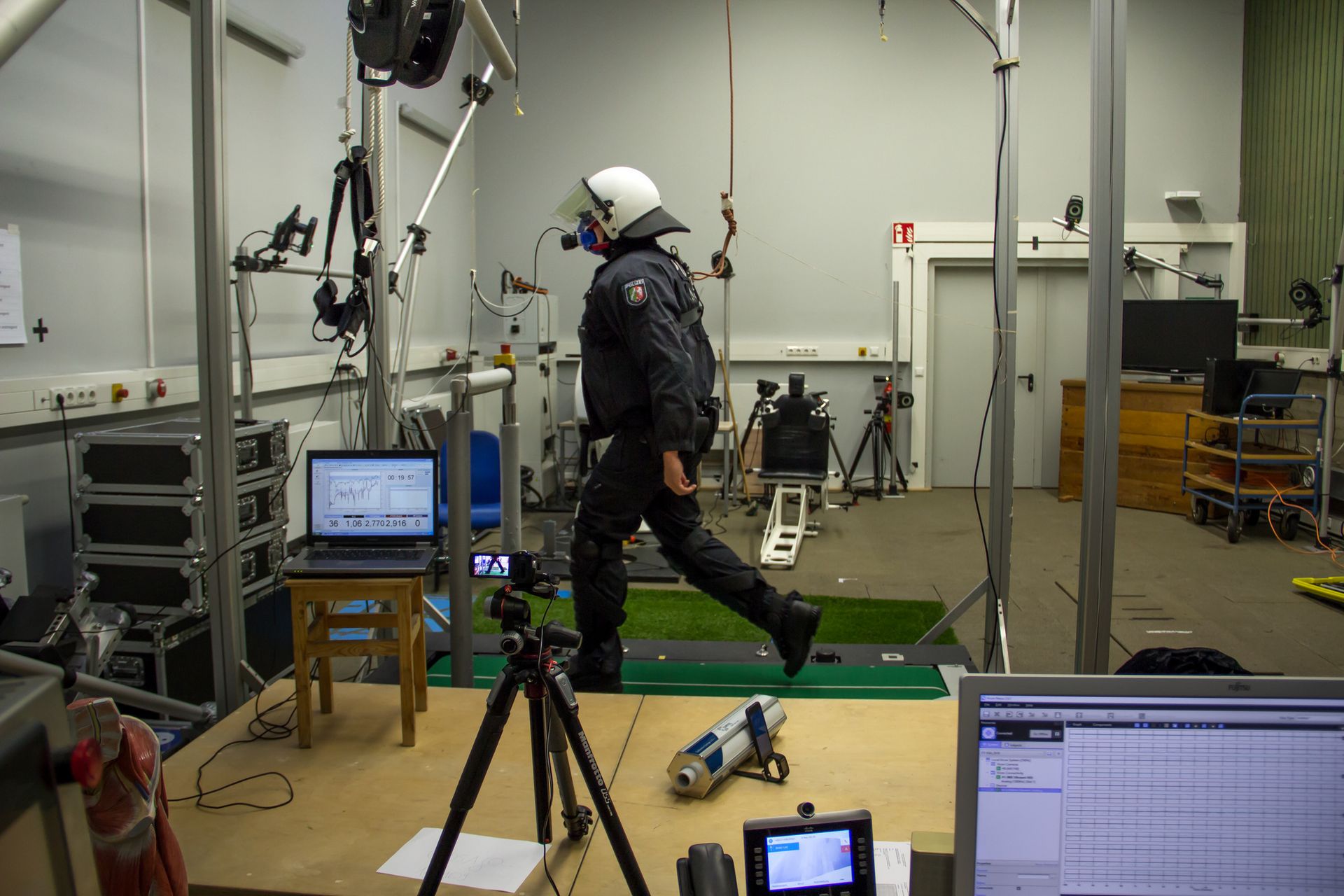
State-of-the-art laboratory complexes for movement and performance analysis enable highly precise biomechanical, training science and motor skills investigations. This is complemented by fully equipped medical, sports medicine and biomedical laboratories, where physiological, molecular biological and clinical issues can be addressed in an interdisciplinary manner. Spacious testing and diagnostic areas, as well as specialised examination rooms, create optimal conditions for research both under controlled laboratory conditions and in realistic practical contexts.
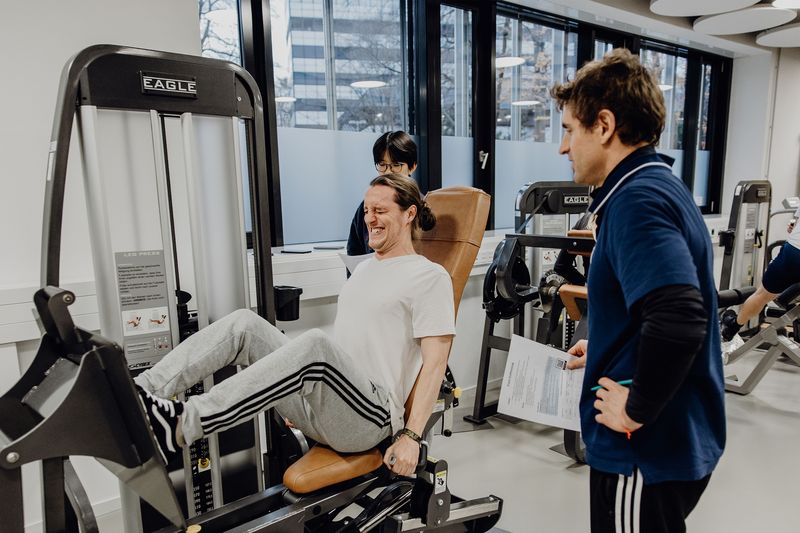
Sports facilities as research and teaching infrastructure
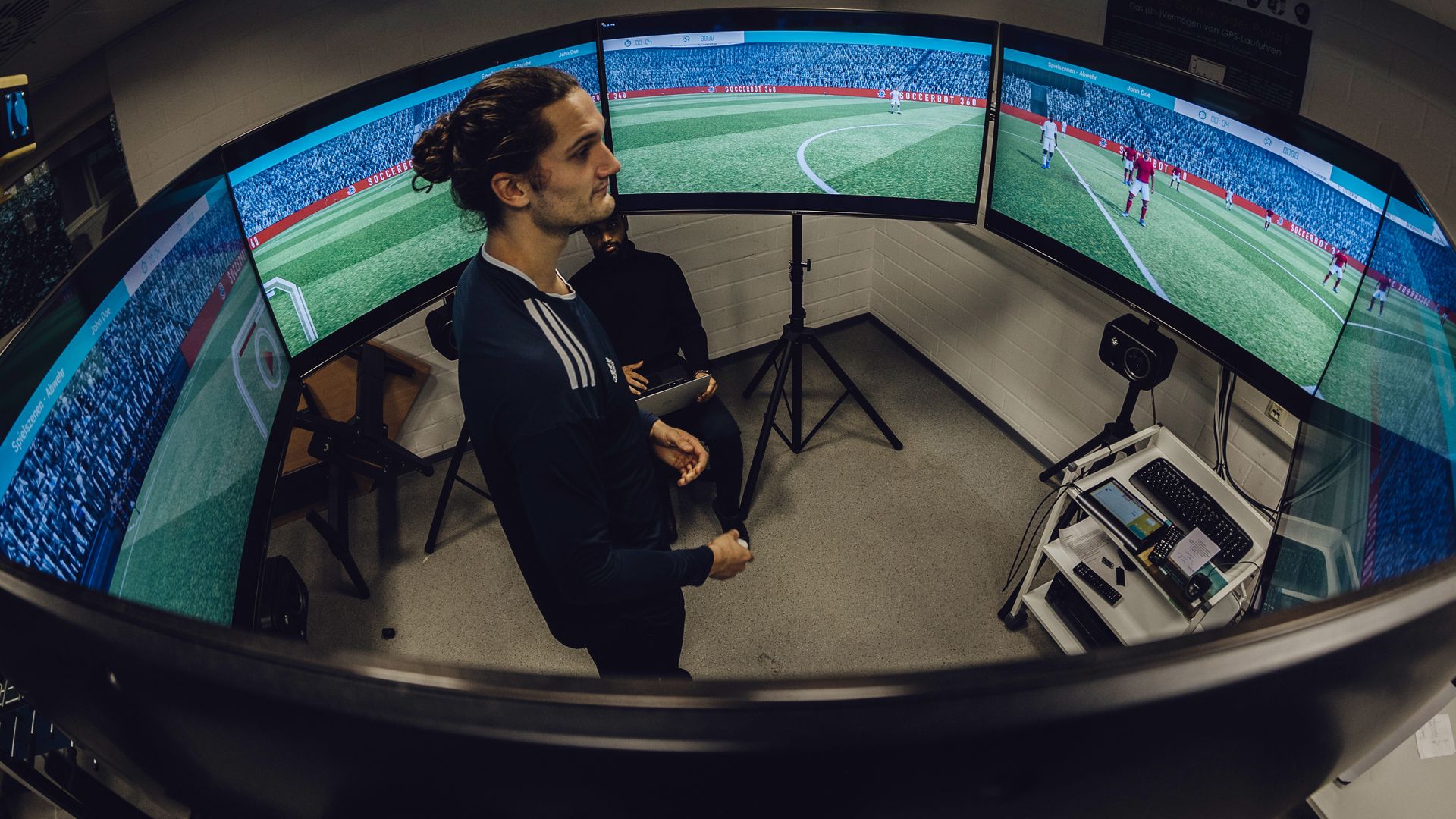
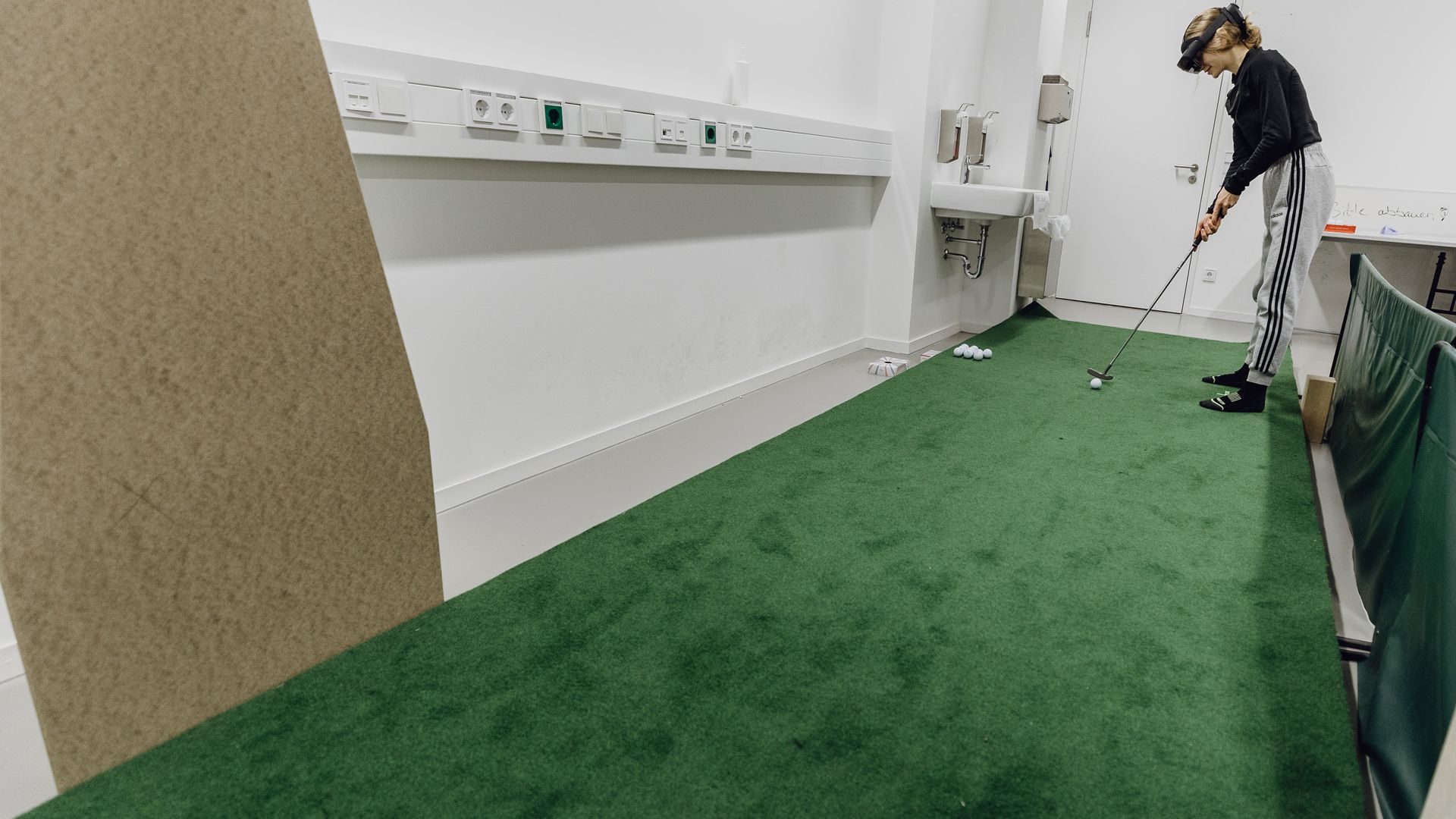
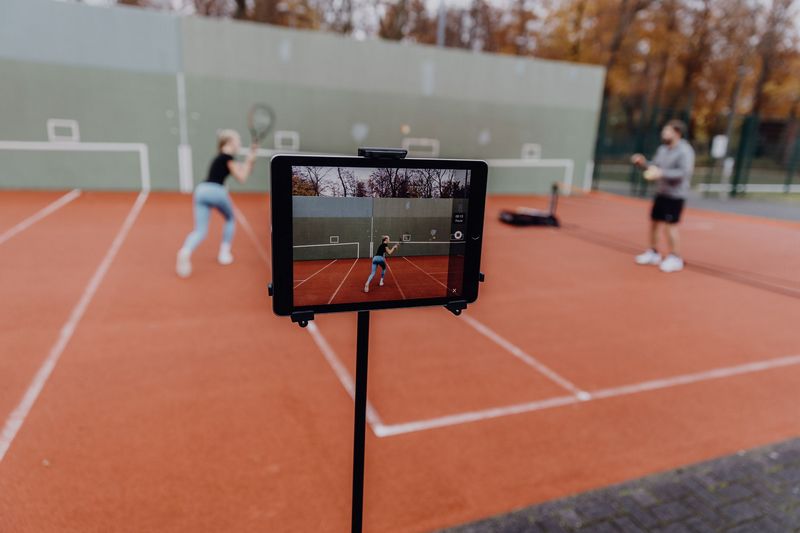
Numerous sports facilities, halls, pitches and specialised areas are directly integrated into the research, enabling practical data collection in elite, recreational and health-related sport. Sports psychology also benefits from specially equipped examination and intervention rooms, where perception, behaviour, motivation and decision-making processes can be studied under conditions that closely resemble real-life situations.
In addition, a wide range of spaces is available for practical sports and educational research. Rooms for dance, movement design, musical activities, as well as for various forms of play, locomotion and teaching skills, open up a broad spectrum of settings in which teaching and learning processes, motor development and pedagogical concepts can be scientifically investigated and tested.
The multiple use of sports facilities, halls and specialised areas in both research and teaching creates a unique integration of the two fields. Practical sports modules and sports courses can thus be integrated into research contexts, whilst the latest scientific findings are simultaneously incorporated directly into teaching and into research-based instruction.

Central Library of Sport Science
The Central Library of Sport Science is the university library of the German Sport University Cologne and is also regarded as the world’s largest specialist library for sport and sport science. It supports study, teaching, research and sporting practice by providing access to literature, research services, databases, workspaces and modern infrastructure. Furthermore, it is open to the general public with an interest in sport and sees itself as a central information and service centre for all matters relating to sport and physical activity.
With the library as the central hub at the heart of the campus, a high-performance, state-of-the-art research environment is being created in which basic research, applied research and practical sports testing are closely interlinked – providing the ideal conditions for innovations in sports science at the very highest international level.

Information Technology at our university
The Information Technology department at the German Sport University Cologne is an essential part of the research infrastructure and supports researchers in all phases of their academic work. It creates the technical conditions for efficient, secure and networked research and, through central IT services, applications and a high-performance infrastructure, provides the digital foundation for day-to-day research. This includes, amongst other things, the operation of central systems, technical support and the provision of relevant software and digital tools.
Furthermore, IT plays a key role in making research visible, interconnected and forward-looking. This is particularly evident in the support for digital research processes and the integration of the research information system, through which publications, projects, research data and other research outputs are systematically recorded and presented. Thus, the IT department at the DSHS Cologne is not merely a technical service provider, but a key component in supporting research and researchers.