Transfer Projects & Initiatives
Through a wide range of projects and initiatives, the German Sport University Cologne works with various target groups and ensures that knowledge is put into practice. Together with our partners, we offer programmes for athletes, coaches, children and young people, school pupils, PE teachers, older adults and the very elderly, as well as elite and young athletes.
MentalGestärkt
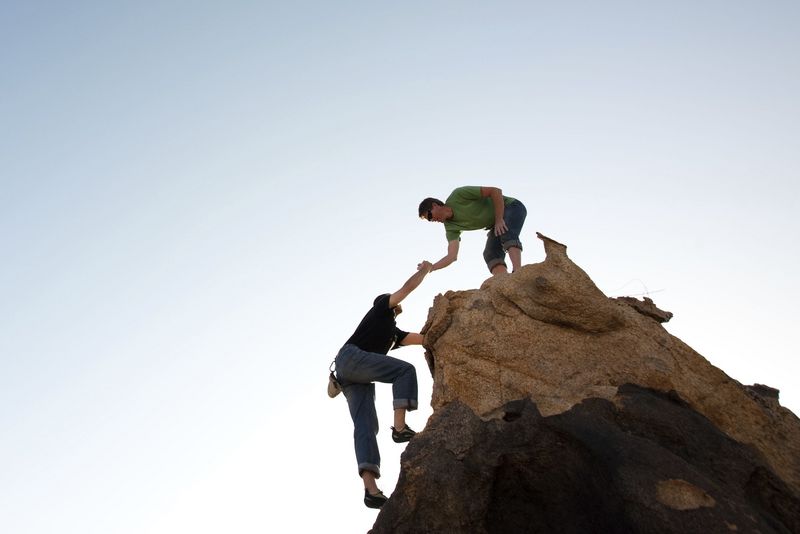
Improving mental health in elite sport – that is the aim of the MentalGestärkt initiative, which was launched at the German Sport University Cologne. MentalGestärkt helps athletes to maintain, promote or restore their mental health. To this end, the team provides sports psychology support and sports psychotherapy or psychiatric treatment for active and former athletes, as well as coaches. MentalGestärkt draws on a nationwide network of qualified experts in sports psychology, psychotherapy and psychiatry. Further information is available on the project page.
mental talent
Mentaltalent is an initiative that supports athletes in optimising their mental and sporting performance. It also focuses on the athletes’ personal development and their mental and physical health. The initiative is funded by the NRW Sports Foundation and, since 2007, has provided sports psychology support to over 10,500 young athletes through more than 1,100 workshops and 1,200 one-to-one sessions. By fostering enjoyment and motivation in sport, personal development and better coping with stress and pressure, we aim to enable top-level performance and dual careers. Further information is available on the project page.
Sport and Pregnancy
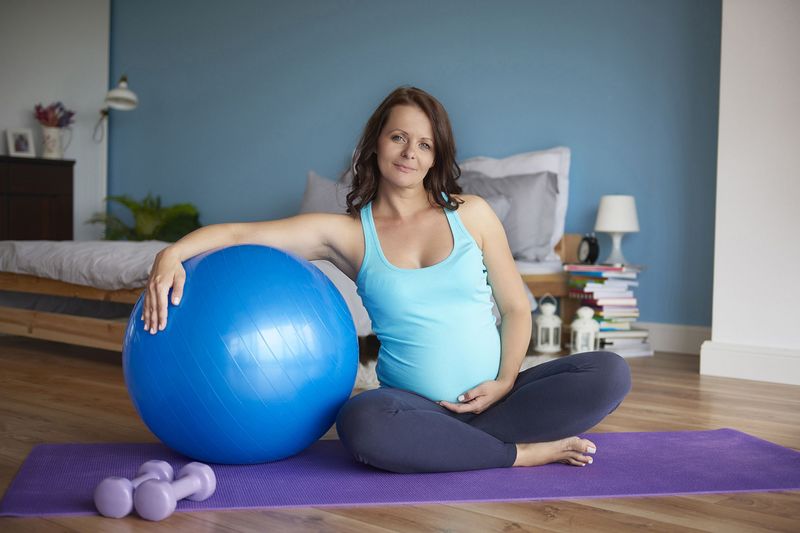
Are exercise and pregnancy compatible? Absolutely! Exercise is very healthy for both mother and baby, both during and after pregnancy. The scientific community is now in agreement on this. Exercising has positive physiological and psychological effects that expectant mothers can benefit from. For example, exercise during pregnancy can reduce the risk of perinatal depression. By staying physically active during pregnancy, you can reduce the risk of gestational diabetes, back pain or excessive weight gain. As well as news and background information on the topic of sport and pregnancy, the German Sport University Cologne also offers online coaching. Further information is available on the project page.
Sport for children and young people with cancer
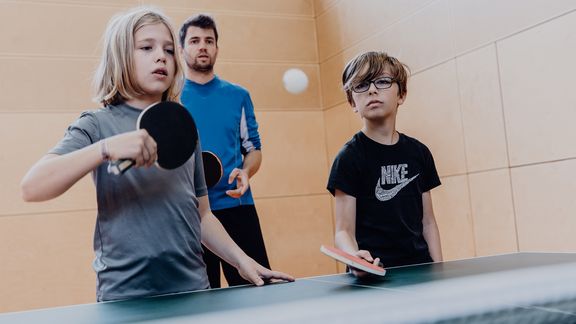
A cancer diagnosis uproots children and young people, along with their families, from their familiar surroundings for months on end. Due to intensive medical treatment involving numerous hospital stays – some of which are long-term – opportunities for physical activity are extremely limited; even after treatment, those affected remain significantly less active than their healthy peers. At the same time, the latest scientific evidence shows that exercise and sport help patients to cope better with the stresses of treatment, prevent long-term complications and improve their quality of life in the long term. For this reason, the German Sport University Cologne, in cooperation with the Amsterdamer Straße Children’s Hospital in Cologne, offers specific sports therapy programmes. Further information is available on the project page.
School sports landscape
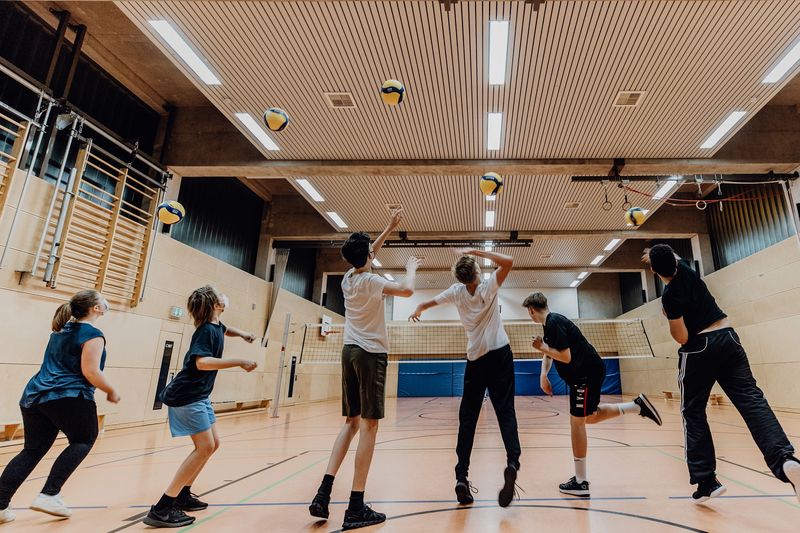
School sport offers a broad field of research, the findings of which are of great value to the day-to-day work of PE teachers, the way pupils interact with one another, and the design of school sport programmes. The aim of the ‘Schulsportlandschaft’ project is to translate these findings into practical application. The project adapts scientific findings and up-to-date information on school sport to meet the needs of physical education teachers – both those in post and those on teacher training programmes – as well as subject leaders, those involved in continuing professional development, and sports federations and clubs. Further information is available on the project page.
Safe Clubs
The Safe Clubs project aims to establish the measures developed as part of the SafeSport project to prevent sexualised violence in sports clubs. Three key areas of action in tackling sexualised violence have been covered: analysis, prevention and intervention. All the materials and concepts developed as part of the project have been made available to all sports clubs in Germany via the participating partner organisations, Deutsche Sportjugend and various regional sports associations. The aim is to support sports clubs in Germany in developing sustainable strategies to protect children and young people from sexual violence in sport. Further information is available on the project page.

School Sport 2030
Everyone knows this because everyone has already experienced it: PE is a very special school subject. No other school subject relies so heavily on physical activity, equipment or specific environments, such as the sports hall or the sports ground. Furthermore, school sport is directly linked to pupils’ leisure activities. The aim of school sport is also to educate pupils ‘about sport’ – that is, to convey the joy and purpose of sport – and equally to promote the development of children and young people ‘through sport’, particularly their personality and social behaviour. In recent years and decades, our society has changed significantly, and with it the conditions for school sport. Our Schulsport2030 project therefore addresses three key themes: diversity and inclusion, promoting physical activity and motivation, and managing stress among PE teachers.
DenkSport
Currently, over 46 million people worldwide are living with dementia; by 2030, this figure will rise to 74 million. Dementia is characterised by a progressive impairment of all cognitive functions, such as memory and orientation. However, personality changes, emotional instability, anger and aggression are also often associated with dementia. This places a huge strain not only on those affected, but also on their families. Scientific evidence shows that regular physical activity can, on the one hand, help prevent the onset of dementia and, on the other, help to slow the progression of the disease in its early stages. The DenkSport project brings together people of different ages, with and without the condition, to exercise together and support one another. Further information is available on the project page.
