Research Focus
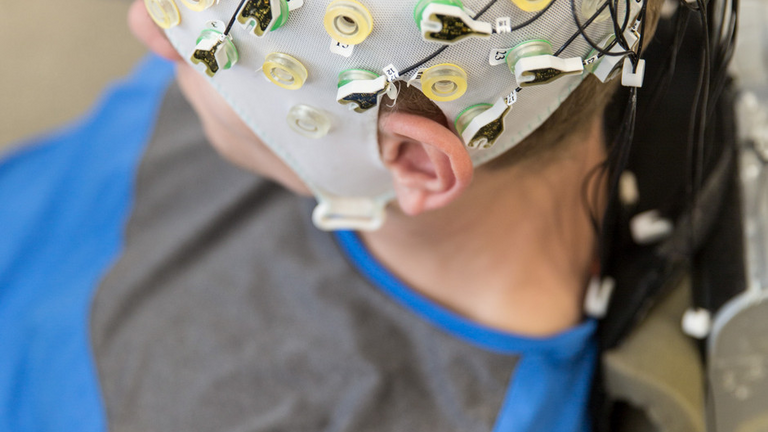
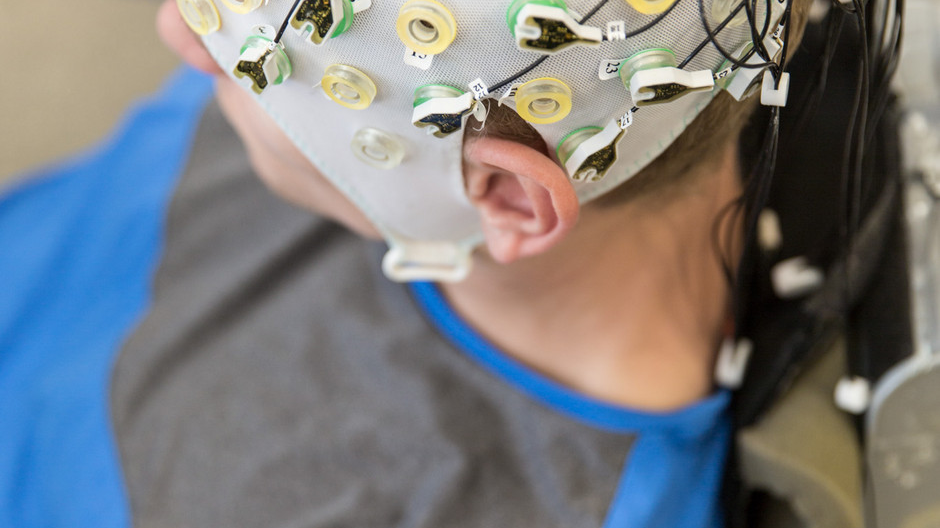
Performance psychology examines how and under what conditions people can consistently achieve outstanding performance in areas where it matters most. This involves identifying cognitive, emotional, and psychophysiological potential and developing strategies to harness it. Our department’s research focus is on applied and basic research at the behavioral level, incorporating neuropsychological methods. We are constantly looking for volunteer participants for ongoing studies. If you would like to support our research, simply register in our database by sending a short email. We will inform you at regular intervals about upcoming experiments.


Research Areas
Structure of the Research Areas
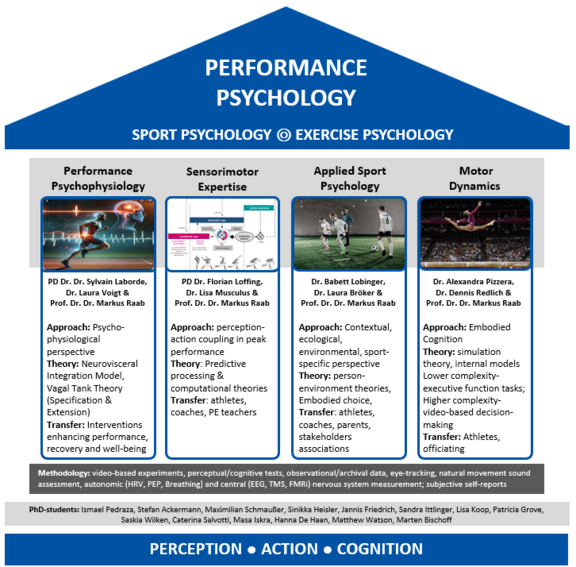
Our department’s research in performance psychology is divided into four main areas. We examine the interrelationships between the components of perception, cognition, emotion, and action from a dynamic and probabilistic modeling perspective. Our research focuses on topics such as motor learning and control, implicit and explicit learning, feedback and instructions, as well as judgment and decision-making.
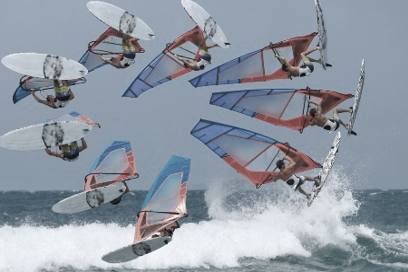
Performance Psychophysiology
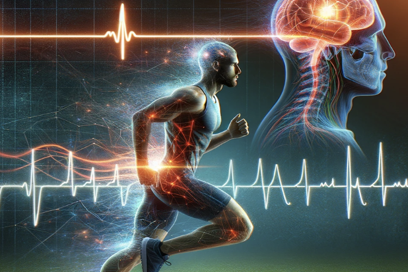
PD Dr. Dr. Sylvain Laborde, Dr. Laura Voigt, Prof. Dr. Dr. Markus Raab
Approach: Psychophysiological perspective
Theory: Neurovisceral integration model, Vagal Tank theory (specification & extension)
Application: Interventions to improve performance, recovery, and well-being
Applied Sport Psychology Development
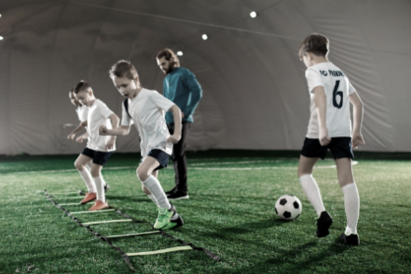
Dr. Babett Lobinger, Dr. Laura Bröker, Prof. Dr. Dr. Markus Raab
Approach: Contextual, ecological, environment-related, sport-specific perspective
Theory: Person-environment theories, embodied choice
Transfer: Athletes, coaches, parents and other stakeholders

Graduate School
From 2021 to 2025, our department hosted its own graduate school—the “Graduate School of Embodied Choices Cologne” (ECCo). It currently comprises seven researchers from the fields of sports science and psychology, the majority of whom are doctoral students. Together, they explore how the body, mind, and environment interact in complex behavior. The goal of the Graduate School is to expand existing theories by recombining existing research approaches and developing novel ones. The research group’s expertise ranges from basic laboratory research to applied field research, utilizing a wide variety of measurement instruments.
Research laboratories
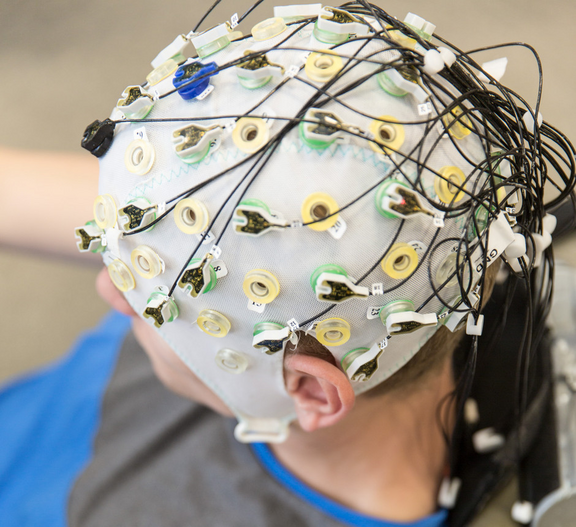
Our department comprises a total of six laboratories, each equipped with a wide range of state-of-the-art measuring instruments. These include, among others:
- Electrocardiography (ECG)
- Electroencephalography (EEG)
- Transcranial magnetic stimulation (TMS)
- Spirometry
- Eye tracking
- 3D motion capture (VICON system)
- Hydrojet massage
- Interactive climbing wall (CLIMBLING)
- Stationary bike
- Treadmills
- Light barriers
- Vienna Test System