ExerBrain (Exercise and Brain)
The Effect of Motor-Cognitive Training on Cognitive Function, Cancer-Related Fatigue, and Brain Activity in Pediatric Oncology Patients During the Acute Phase
Project Description
Thanks to advances in modern cancer treatment, the 5-year survival rate for children and adolescents with cancer has increased to approximately 82%. Consequently, the focus of care is shifting increasingly from survival alone to the long-term quality of life of survivors. Intensive cancer treatments are often associated with adverse effects, particularly cognitive impairments and cancer-related fatigue (CRF), which can negatively affect concentration, memory, daily functioning, and academic performance.
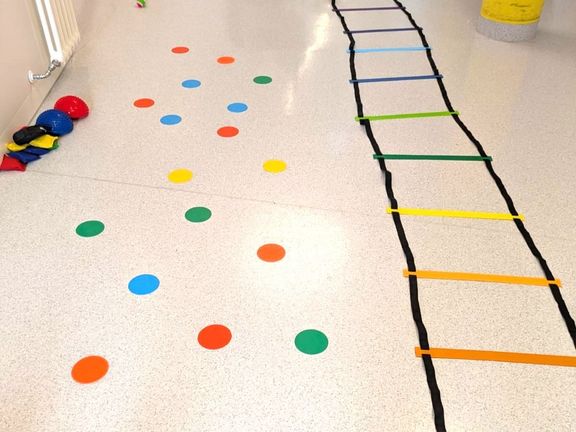
The ExerBrain (Exercise and Brain) research project addresses these challenges by investigating a multi-week motor-cognitive training program that combines physical activity with targeted cognitive and perceptual tasks. This type of intervention is designed to promote neural connectivity and, in turn, enhance cognitive functioning.
The aim of the project is to gain a better understanding of the neurophysiological mechanisms underlying motor-cognitive training, evaluate its effects on cognitive function, CRF, and brain activity, and establish an age-appropriate, evidence-based exercise intervention as an integral component of pediatric oncology care.
