ExerBrain Single (Exercise and Brain)
The Effect of a Single Motor-Cognitive Training Session on Cognitive Function, Cancer-Related Fatigue, and Brain Activity in Pediatric Oncology Patients During the Acute Phase
Project Description
Thanks to intensive research, the prognosis for childhood and adolescent cancers has improved significantly over recent decades. As a result, therapeutic interventions are increasingly focusing not only on survival but also on patients' quality of life. In this context, sports and exercise therapies are gaining importance in pediatric oncology, as they have been shown to positively affect physical, psychological, and social well-being.
Particular attention is needed regarding treatment-related cognitive impairments and cancer-related fatigue (CRF). CRF is characterized by persistent exhaustion, concentration difficulties, and memory problems, and can negatively affect quality of life as well as academic and professional development.
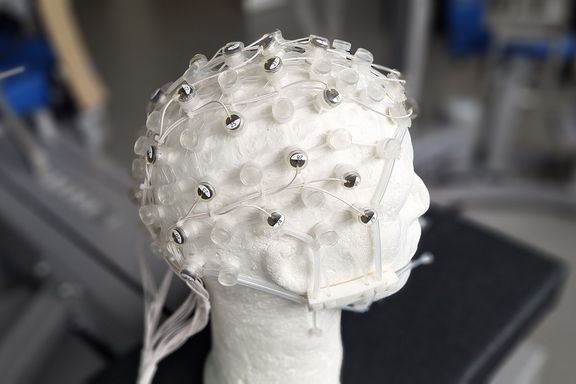
At the core of the ExerBrain (Exercise and Brain) project is a motor-cognitive intervention, defined as the targeted combination of physical activity and simultaneous cognitive stimulation. Research conducted outside the field of oncology suggests that this combination may enhance neural connectivity and improve cognitive performance. Therefore, this project investigates the effects of a single motor-cognitive training session on cognitive function, CRF, and brain activity in pediatric oncology patients during the acute phase of treatment. The aim is to gain a better understanding of the underlying neurophysiological mechanisms and to contribute to the targeted development of exercise-based therapeutic interventions.
Partners & Sponsors
Partners
Prof. Dr. Dagmar Dilloo
Director of the Department of Pediatric Hematology and Oncology
Center for Pediatric and Adolescent Medicine
University Hospital Bonn

The project is generously supported by the Marga and Walter Boll Foundation.
Funding
The study was funded by the internal research grant program of the German Sport University Cologne, awarded to Dr. Anna-Maria Platschek. (L-11-10011-277-151000)