HIIT HIFT
Acute effects of high-intensity interval running (HIIT) compared to high-intensity functional training (HIFT) on neurophysiological functions (particularly inhibitory control)
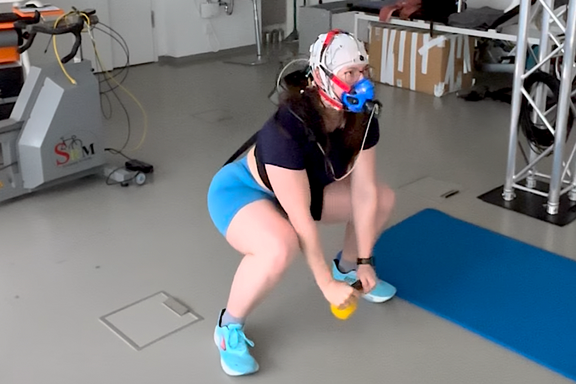
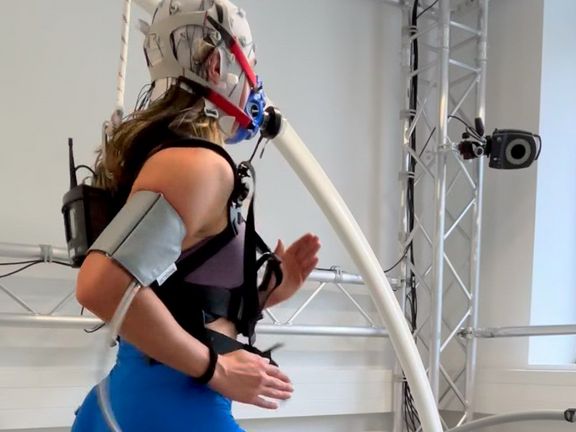
Project Description
High-intensity interval training (HIIT) in running training can not only lead to physiological improvements, such as greater metabolic and cardiovascular adaptations, but also yield neurophysiological and neuropsychological benefits, such as increased release of neurotrophic factors (BDNF), improved cognitive function, and enhanced brain activation patterns. High-intensity functional training (HIFT), on the other hand, involves functional multi-joint movements with a higher proportion of strength and coordination elements. The current trend toward HIFT promises a higher degree of adherence and enjoyment in training, lower maximum heart rates with comparable aerobic, anaerobic, and muscular endurance effects compared to HIIT, along with additional benefits from strength and coordination training for the musculoskeletal system and functional performance. Due to the lower heart rate, HIFT could be particularly beneficial for people with pre-existing cardiovascular and neurological conditions and carry fewer risks. However, the research on the neurophysiological and neuropsychological effects of HIFT is insufficient.
The aim of the project is to compare the effects of HIFT and HIIT sessions on brain activity, cognitive performance, and cardiovascular demands in young, healthy individuals. It is hypothesized that both training protocols will improve inhibitory control in the brain, but that the HIFT protocol will be associated with lower cardiovascular stress. Based on the results, evidence-based improvements to training recommendations can be derived.