Meldungen
Alle Meldungen aus unseren Instituten und Einrichtungen – viel Spaß beim Stöbern und Entdecken!
Hinweis: Derzeit funktioniert die zeitliche Sortierung noch nicht korrekt; wir arbeiten daran.
Filtern nach
740 Ergebnisse
-
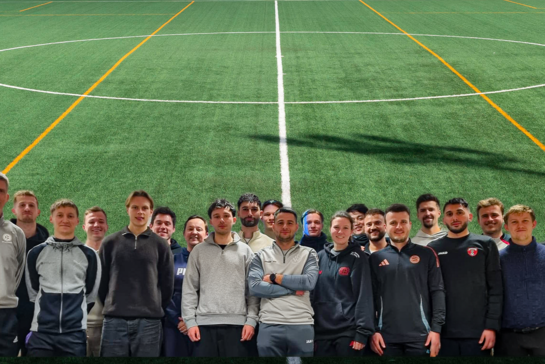 13.07.2026Über einen Zeitraum von sechs Monaten – von Januar bis Juni 2026 – absolvierten 15 Teilnehmer und eine Teilnehmerin den Sonderlehrgang. Bei den Teilnehmenden handelte es sich um Studierende sowie Alumni der DSHS Köln. Das Lehrgangskonzept kombinierte zwei Präsenzphasen mit drei Onlinephasen sowie…
 -
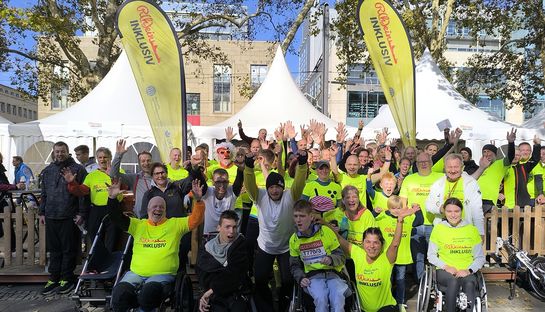 23.10.2024R(h)ein Inklusiv, ein Projekt von Spoho und DGUV, war beim Köln-Marathon wieder mit einem großen Team und 34 Marathonstaffeln vertreten. Bei bestem Marathonwetter hieß es am 6. Oktober 2024 zum insgesamt neunten Mal „Jetzt geht’s los“ beim Staffelmarathon R(h)ein Inklusiv. Angefeuert von Jürgen…
 -
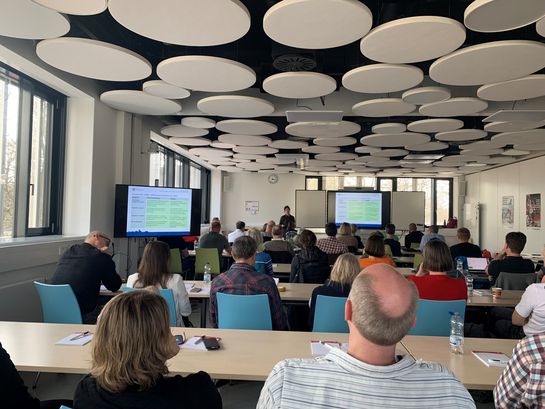 24.03.2025Das Institut für Bewegungs- und Neurowissenschaft richtete erneut die Jahrestagung der Team-Ärzt*innen, Physiotherapeut*innen und Klassifizierer*innen des Deutschen Behindertensportverbands aus. Vom 21.03-22.03 ging es, zusammen mit hochkarätigen externen Expert*innen, um die Themen: Prävention…
 -
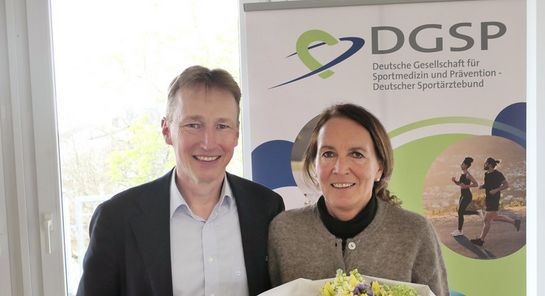 14.04.2025Prof. Dr. med. Dr. Christine Joisten, Abteilungsleiterin Bewegungs- und Gesundheitsförderung des Instituts für Bewegungs- und Neurowissenschaft wurde am 29. März zur neuen Präsidentin der Deutschen Gesellschaft für Sportmedizin und Prävention e.V. (DGSP) gewählt. Wir gratulieren unserer…
 -
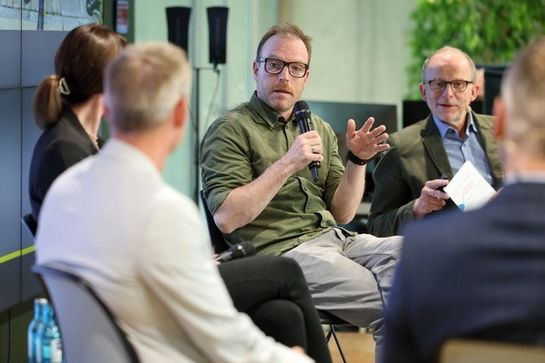 22.05.2025Der Sportverein - Evergreen oder Auslaufmodell? Am 22.05.2025 fand anlässlich des 100-jährigen Bestehens des PTSV Aachen auf Einladung der Aachener Zeitung das AZ-Forum zum Thema Der Sportverein - Evergreen oder Auslaufmodell? statt. Die Podiumsdiskussion war in drei Themenblöcke unterteilt und mit…
 -
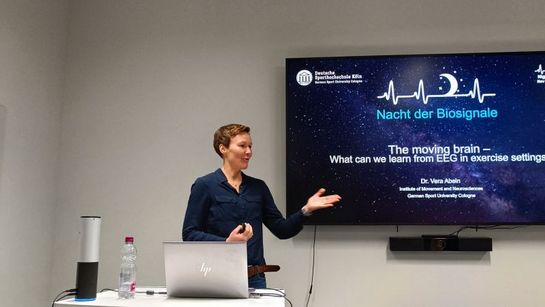 07.11.2025Am 07. November 2025 fand zum zweiten Mal die ‚Nacht der Biosignale‘ an der Universitätsklinik Köln statt. Dr. Vera Abeln hat zusammen mit Leonard Braunsmann und Praktikantin Lisa Wirth zu diesem Anlass einen Vortrag mit dem Titel: „The moving brain - what can we learn from EEG in exercise settings“…
 -
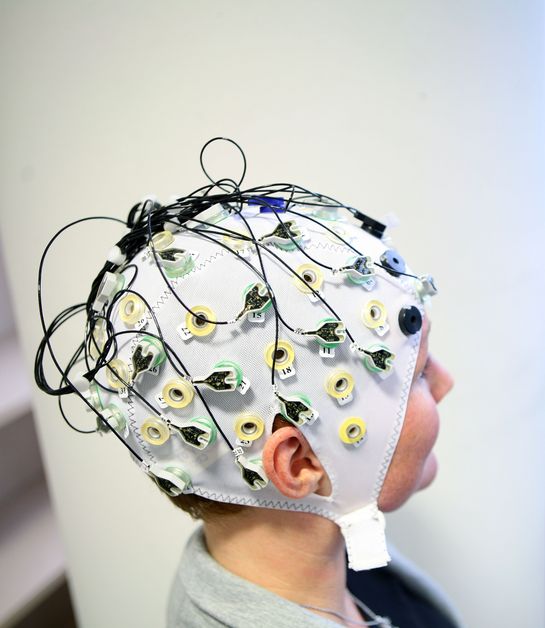 17.03.2026Frau Dr. Vera Abeln wurde für Tagesschau.de um Thema „Verbesserte Trainingsmethoden – Wie das Gehirn körperliche Leistung steuert“ interviewt. Der Beitrag im Bereich Wissen-Gesundheit beschäftigt sich vor allem mit der Methode der Neuroathletik. Eine Trainingsmethode, die dem neurozentrierten…
 -
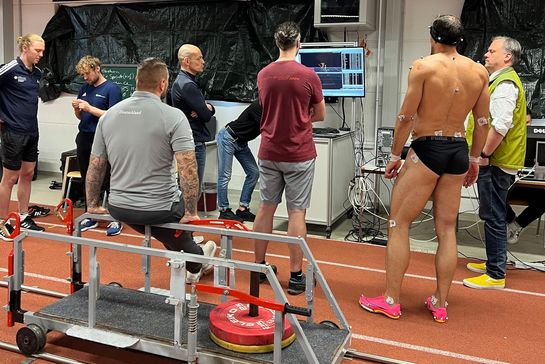 24.06.2026Berchtesgaden (bsd,ls/28.05.2026) Die Olympischen Winterspiele 2026 in Cortina liefen für den Bob- und Schlittenverband für Deutschland äußerst erfolgreich ab – 19 olympische Medaillen mit 6x Gold, 8x Silber und 5x Bronze brachten die deutschen Kufensport-Athletinnen und -Athleten für Team D aus den…
 -
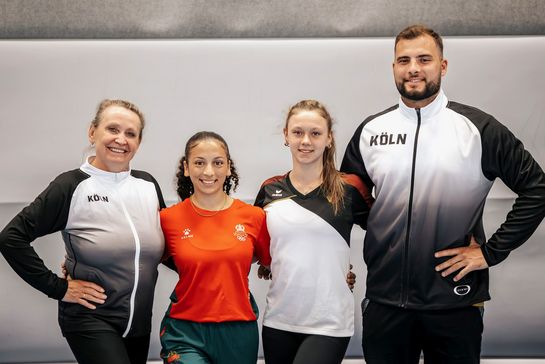 19.06.2026Das erste Halbjahr 2026 brachte erfreuliche internationale Erfolge für die Turnerinnen des Turnzentrums Deutsche Sporthochschule Köln. Bereits im April vertrat die 19-jährige Salina Bousmayo ihr Heimatland Marokko bei den Afrikanischen Meisterschaften und gewann die Silbermedaille am Boden. Im…
 -
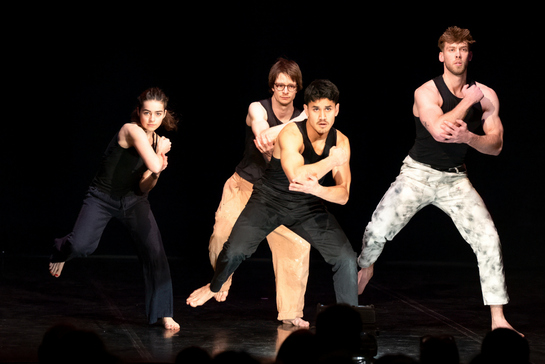 02.07.2026Liebe Kolleg*innen und Studierende, das Institut für Tanz und Bewegungskultur lädt herzlich zu folgenden Semesterabschlussaufführungen ein, die in den letzten beiden Semesterwochen stattfinden: Dienstag, 14.07.2026, Ein Abend mit Tanz und Bewegungstheater im Musischen Forum mit Prüfungsarbeiten des…