Sports Journalism
Bachelor of Arts (B.A.)
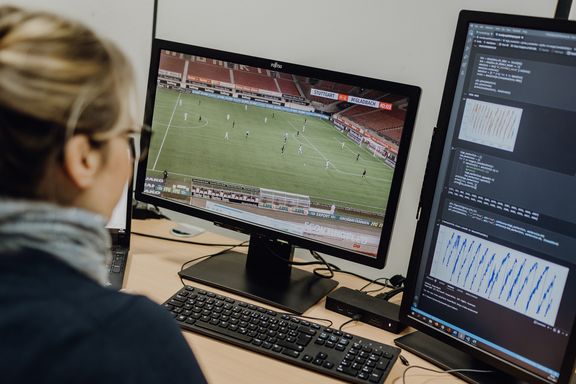
On the Sports Journalism degree programme, you will learn how to cover sport professionally in the media – from traditional journalistic formats through to digital and multimedia content. The focus is on practical work: you will write articles, produce audio and video features, and develop content for various media channels.
In doing so, you’ll combine journalistic practice with the academic foundations of communication and media research. You’ll learn to analyse media content critically, contextualise social developments and handle information responsibly.
Through practical projects, modules directly relevant to the professional field and work placements, you’ll establish contacts with editorial teams, media organisations and sports organisations whilst still studying. At the same time, you will acquire important future skills such as creativity, teamwork, communication skills and analytical thinking – competencies that are in high demand in the modern media and communications industry.
The small cohort size, with around 30 students per year group, also facilitates close interaction with lecturers and intensive support throughout your studies.
Key facts
Duration of study
6 Semesters
Commencement of studies
Winter semester
Admission Requirements
- School leaving examination or other qualification entitling the holder to enter higher education
- Physical aptitude test
Workload
180 Credit Points
Application deadline
- 15th of July (Winter semester)
Qualification
Bachelor of Arts (B.A.)
Language of instruction
German
Fees
approx. 335€ (Semester fee)
University places
30 places per cohort
Semester abroad
optional


Degree Structure and Content
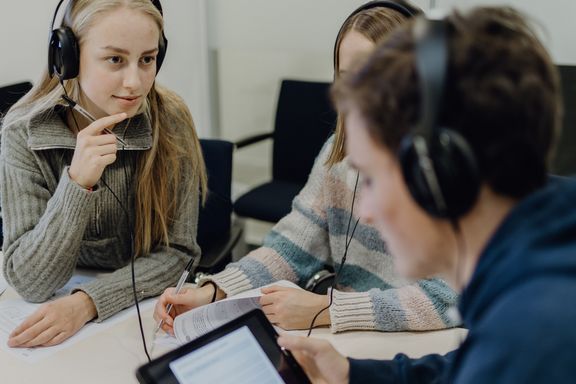
During your degree, you will combine journalism, communication studies and Sport science to create a unique study programme. You will learn how sports media operate and how content is professionally produced for different channels.
Among other things, you will explore:
- Print, online, TV and radio journalism
- Communication studies and research methods
- Sports and media law, as well as marketing
- Academic work and journalistic project formats
- Analysis and contextualisation of sporting events and sporting structures
There is a particular focus on practical journalistic work: you will develop your own features, conduct interviews, produce audio and video formats, and work on broadcast-ready productions. The programme is complemented by the fundamentals of sport science and insights into topics such as doping, the Olympic Movement and sports organisations.
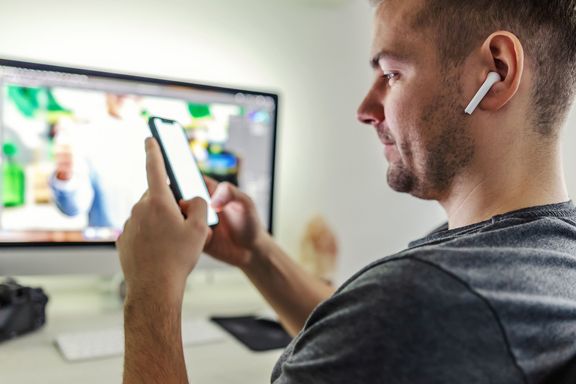

The degree programme is clearly career-oriented and combines three key areas of expertise:
Practical journalistic skills
- Topic identification, research and editorial work
- Writing journalistic texts and producing audio, video and online formats
- Working in editorial-style settings with practical projects, guest lecturers and media partnerships
Analytical and academic skills
- Communication studies and media research
- Media economics and organisational structures
- Analysis of media impact and media offerings
Reflective and social skills
- The responsibility and role of journalism in sport
- Placing sports communication within a social context
- Media ethics and sports and media law
In addition, as part of your specialisation, you will choose focus areas from fields such as public relations, media economics or media impact and analysis.
The degree programme is strongly networked, collaborates with industry partners and, thanks to small cohorts, offers a very personalised level of support. This fosters close links with the sports media industry.
Useful documents (German)
What’s Next after Your Bachelor’s Degree?
You’ve got your bachelor’s degree – what next? The German Sport University Cologne offers eight Master’s degree programmes, six professional master’s programmes and a PhD programme, enabling you to continue your studies and specialise even further.
Master’s degree programmes
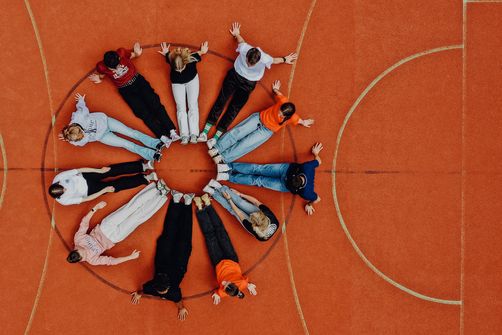

Further options at GSU


Career Opportunities and Professional Perspectives
All graduates of the German Sport University Cologne have one thing in common: a deep passion for sport and physical activity, complemented by the joy and motivation to pass this on to others.
The Bachelor’s degree programme at the German Sport University Cologne has a practical focus and offers students the opportunity to develop and tailor their own academic profile throughout their studies. This opens up numerous opportunities for graduates to make a successful start to their careers after graduation.
Any questions?
International Office
-
location_on
Main Builing, first floor
- link International Office
International Office: Consultation hours
- Mon - Fri: 9 am - 11 am
- Mon, Wed, Thu: 2 pm - 3 pm
Student Advisory Service
-
location_on
Am Sportpark Müngersdorf 6
50933 KölnMain building, 1st floor
- phone +49 221 4982-2520
- mail studienberatung(at)dshs-koeln.de
- link Student Advisory Service
Office Hours
By telephone:
- Mon–Fri: 9 am–11 am
- Mon–Thu: 2 pm–3 pm
In person:
- Mon & Wed: 9 am–11 am
- Mon & Wed: 2 pm–3 pm