Sports Science and Performance
Bachelor of Science (B.Sc.)
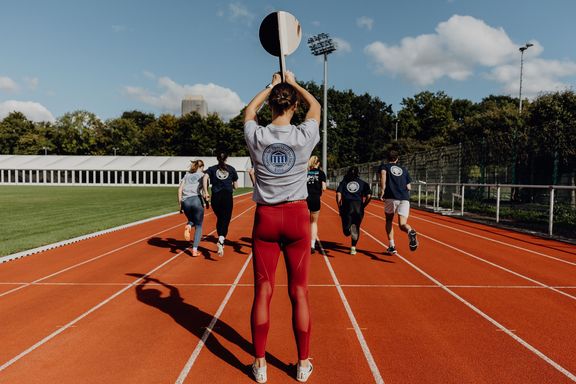
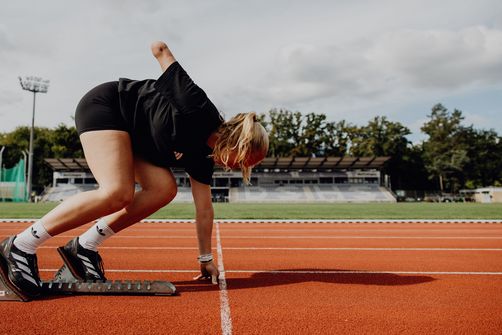
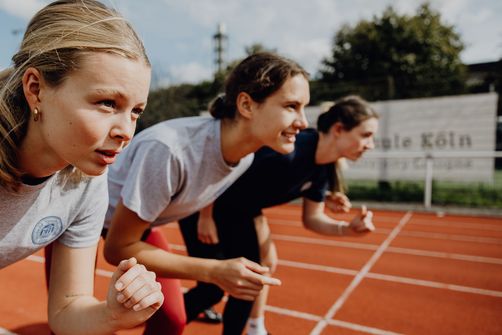
Are you interested in how human performance develops and how it can be specifically improved through training? Are you inspired by the achievements of up-and-coming talent, dedicated amateurs or current top athletes? Would you like to accompany these individuals in their development within clubs, federations or sports organisations and provide them with the best possible support? Then the Sports Science and Performance (SuL) degree programme is the perfect fit for you. It provides a sound academic education in training science, closely linking practical sport with the latest research.
Depending on your interests, you can tailor your professional profile by specialising in specific sports or in subject areas such as diagnostics, training management, nutrition and psychological interventions. Through early work placements, you’ll gain initial professional experience and build your personal network, enabling you to later work in a scientific capacity as a consultant, instructor, coordinator and programme designer.
Key facts
Duration of study
6 semesters
Commencement of studies
Winter and summer semester
Admission Requirements
- School leaving examination or other qualification entitling the holder to enter higher education
- Physical aptitude test
Workload
180 Credit Points
Application deadline
- 15th of July (Winter semester)
- 15th of January (Summer semester)
Qualification
Bachelor of Science (B.Sc.)
Language of instruction
German
Fees
approx. 335€ (Semester fee)
University places
150 places per cohort
Semester abroad
optional


Degree Structure and Content
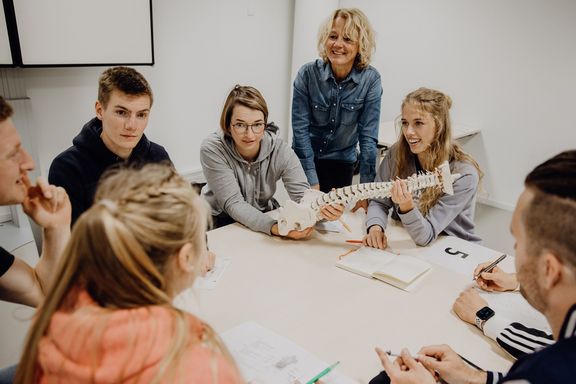
You will acquire an interdisciplinary academic foundation in training and exercise sciences, as well as the natural, biological and social sciences, in order to gain an in-depth theoretical understanding of human performance. In addition, you will develop strong communication skills, enabling you to present your knowledge and apply it in sports practice in a way that is tailored to your audience.
You will choose sports specialisms (e.g. football, athletics) and specialised modules such as diagnostics and performance management, nutrition and anti-doping, or psychological and pedagogical interventions, based on your own interests. You will learn to reflect holistically on the demands of elite sport and find methodologically sound solutions through collaboration with athletes and other specialists.
Key topics include:
- Training science and movement science
- Natural, biological and social sciences in a sporting context
- Sport-specific practice and teaching skills
- Performance assessment and training management
- Talent identification and development
- Nutrition, anti-doping and psychological and educational interventions
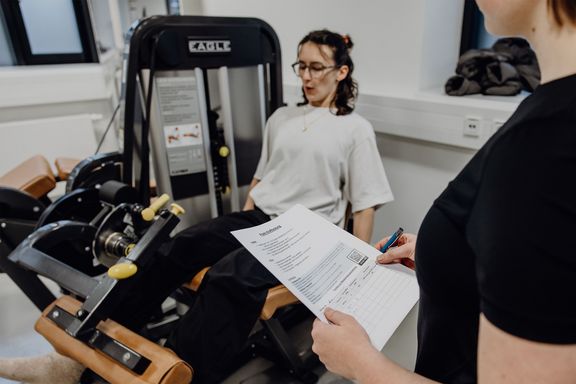
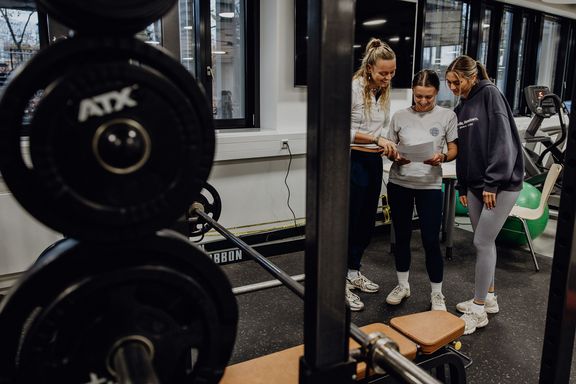
The degree programme is scientifically grounded whilst also being practice-oriented. During the course of your studies, you will acquire the following skills:
Training and teaching skills
- Planning, delivering and monitoring training
- Teaching practical sporting skills and abilities
- Coaching athletes of different ages and performance levels
Diagnostic and analytical skills
- Performance assessment and training evaluation
- Scientific analysis of movement and training
- Research activities and the practical application of current research findings
Interdisciplinary skills
- Integration of natural, biological and social sciences
- Understanding sporting performance within a social context
- Dealing with complex coaching situations in elite sport
The programme is complemented by work placements and the opportunity to obtain coaching licences. This enables you to gain professional experience at an early stage and build your personal network.
A wide range of performance-oriented career paths are open to you in clubs, federations, local authorities or sports-related organisations:
- Training and coaching
- Coordination and programme design
- Performance diagnostics and scientific consultancy
- Research and teaching
Useful documents (German)
What’s Next after Your Bachelor’s Degree?
You’ve got your bachelor’s degree – what next? The German Sport University Cologne offers eight Master’s degree programmes, six professional master’s programmes and a PhD programme, enabling you to continue your studies and specialise even further.
Master’s degree programmes

Further options at GSU


Career Opportunities and Professional Perspectives
All graduates of the German Sport University Cologne have one thing in common: a deep passion for sport and physical activity, complemented by the joy and motivation to pass this on to others.
The Bachelor’s degree programme at the German Sport University Cologne has a practical focus and offers students the opportunity to develop and tailor their own academic profile throughout their studies. This opens up numerous opportunities for graduates to make a successful start to their careers after graduation.
Any questions?
International Office
-
location_on
Main Builing, first floor
- link International Office
International Office: Consultation hours
- Mon - Fri: 9 am - 11 am
- Mon, Wed, Thu: 2 pm - 3 pm
Student Advisory Service
-
location_on
Am Sportpark Müngersdorf 6
50933 KölnMain building, 1st floor
- phone +49 221 4982-2520
- mail studienberatung(at)dshs-koeln.de
- link Student Advisory Service
Office Hours
By telephone:
- Mon–Fri: 9 am–11 am
- Mon–Thu: 2 pm–3 pm
In person:
- Mon & Wed: 9 am–11 am
- Mon & Wed: 2 pm–3 pm