Autologous blood therapy - UV irradiation of blood
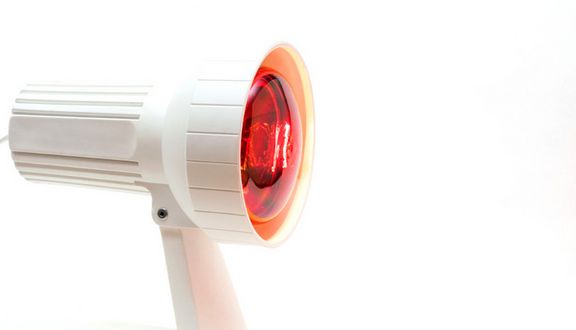
In January 2012, as part of a prosecution investigation, it came to light that athletes at the Erfurt Olympic Training Center had been treated with a form of "autologous blood therapy." According to media reports, approximately 30 to 50 ml of blood was drawn from the athletes, treated with UV radiation, and then re-injected into their bloodstream. The practicing physician stated that this procedure was used to improve the immune system.
In this context, three main questions have been discussed:
- Is the method prohibited under anti-doping regulations?
- Does the use of this method lead to performance enhancements?
- Does this method alter blood parameters such as the number of reticulocytes?
What is autologous blood therapy?
Autologous blood therapy is a method of alternative medicine and is used as a naturopathic procedure. In this process, a small amount of blood is first drawn from the patient, treated using a specific method (e.g., UV light, ozone, etc.), and then reinfused into the patient.
After the injection or infusion of the treated blood, the immune system is supposed to recognize the “new” blood as a foreign substance, thereby activating or stimulating the body’s own defenses. This is intended to strengthen the immune system.
There are various forms of autologous blood therapy, including ultraviolet-activated autologous blood therapy (UVE), in which the blood is irradiated with UV-C light before reinfusion.
Is autologous blood therapy prohibited under anti-doping regulations?
Since 2004, the World Anti-Doping Agency has determined the list of prohibited substances and methods. Among the three prohibited methods, the following statement was included under point M1 (Methods to increase oxygen transfer):
WADA Regulations from 2004 under M1
: The following are prohibited: a. Blood doping, including the use of autologous, homologous, or heterologous blood or red blood cell products of any origin, other than for medical treatment.
WADA Code effective 2006 under M1:
The following are prohibited: a. Blood doping, including the use of autologous, homologous, or heterologous blood or red blood cell products of any origin.
Note:
The Code thus states that the administration of one’s own blood is prohibited, regardless of the amount of blood. However, up through and including 2005, autologous blood could be administered for medical reasons. This medical exception was eliminated as of 2006.
WADA Code from 2011 under M1:
No change in wording from 2006.
However, under M2 Chemical and Physical Manipulation, the following point was added:
WADA Regulations from 2011 under M2
3. Sequential withdrawal, manipulation, and reinfusion of whole blood into the circulatory system is prohibited.
Thus, since 2011, the method of autologous blood therapy has been explicitly prohibited.
For the period prior to that, the regulations could be interpreted to mean that autologous blood therapy was not permitted under the general wording of the ban on the administration of red blood cells. This requires legal clarification.
Does autologous blood therapy lead to performance enhancements?
In the prohibited method of blood doping, the total number of red blood cells is increased through a blood transfusion, thereby enabling improved oxygen uptake. This is accompanied by improved endurance performance.In blood doping with one’s own blood, however, the blood is not reintroduced until after a longer period of time, once the body has compensated for the removed blood volume through increased production.
In contrast, in autologous blood therapy, a small amount of blood is returned promptly after collection and treatment. This does not result in an increase in the total number of red blood cells, which is why the method does not lead to any improvement in performance in this sense. The extent to which treating a small amount of blood with UV radiation after reintroduction into the body’s circulatory system leads to physiological changes associated with improved endurance performance is currently unknown and is also strongly doubted at present.
Does autologous blood therapy lead to changes in the reticulocyte count?
The extent to which the collected blood, following UV irradiation, can lead to changes in hematological blood parameters—such as the number of reticulocytes—is not sufficiently understood.
Even if changes were to occur, it must be assumed that the reinfusion of approximately 30 to 50 ml of blood, out of a total blood volume of about 5000 ml (5 L), will not lead to any significant changes in blood parameters.
Institute of Biochemistry at DSHS Cologne, last updated June 19, 2012