A major project for the region's future
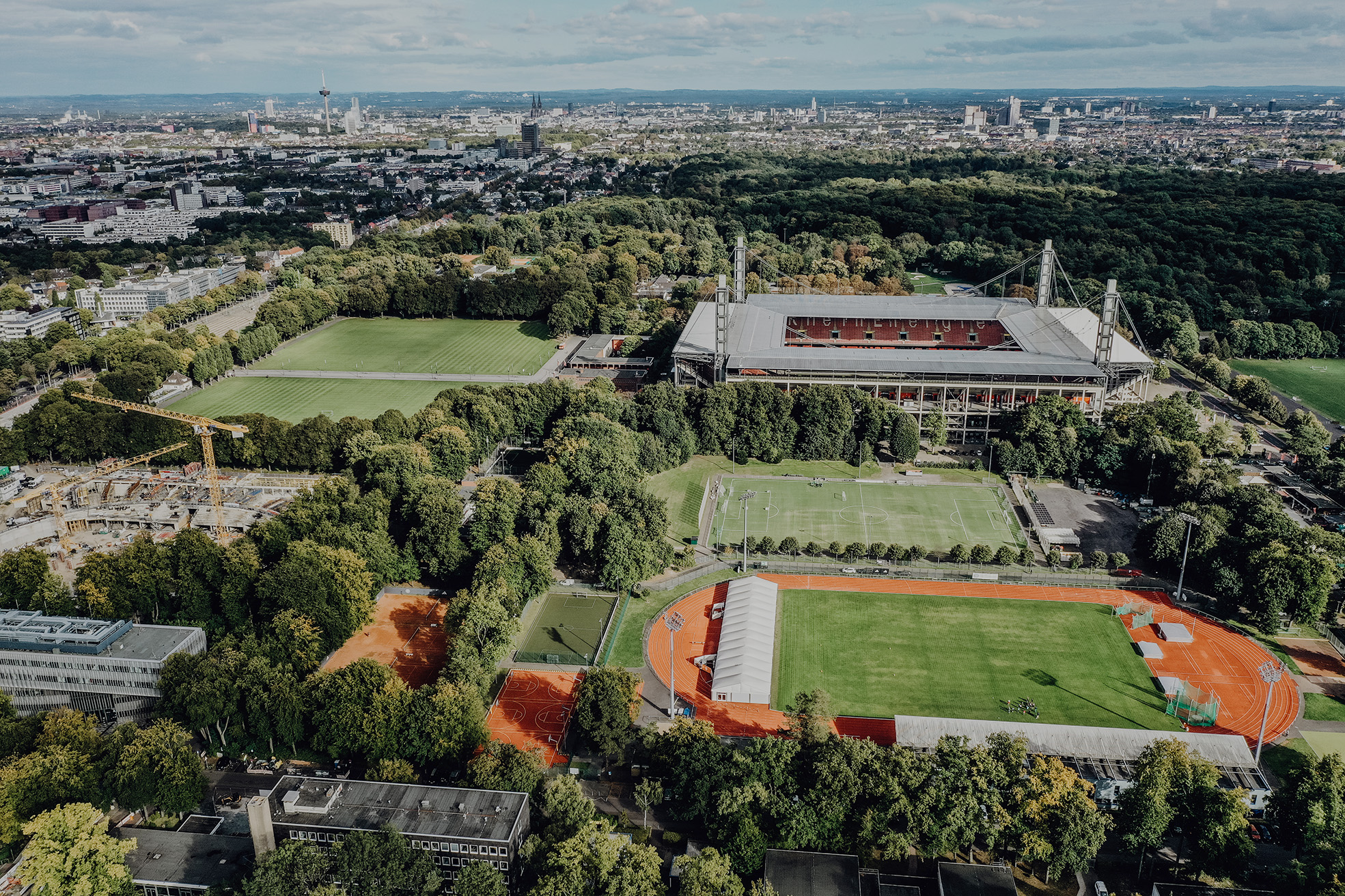
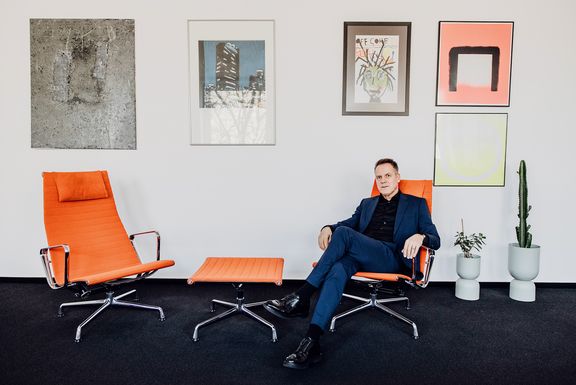
The Rhine-Ruhr region is bidding to host the Olympic and Paralympic Games – with Cologne as the lead city. What opportunities could such a major event offer for the city, sports, and the people in the region? And what role could the German Sport University Cologne play in this? We spoke with our rector, Prof. Dr Ansgar Thiel, about this.
Mr. Thiel, when you think of the Olympic and Paralympic Games in Cologne, what image comes to mind first?
I immediately picture a very lively and open city. Cologne is known for how easily people strike up conversations with one another. This special Cologne atmosphere – warm, international, and full of enthusiasm – fits very well, in my view, with the Olympic and Paralympic Games. I imagine competitions taking place against the backdrop of the Rhine, with people from all over the world gathering in the city’s squares and neighborhoods. You’d be able to experience sports everywhere: in large squares, in public spaces, or at community events. The Games wouldn’t be limited to stadiums and sports facilities – they’d take place right in the heart of the city and shape life in Cologne.
Suppose Cologne were to become the “Leading City” of the bid: What significance would that have for Cologne as a sports destination?
Cologne is already one of Germany’s most important sports destinations. As a Leading City, the city could once again clearly underscore this role. We have the German Sport University Cologne, a globally renowned institution. Added to this are clubs like 1. FC Köln, successful teams in many other sports, and institutions such as the Coaching Academy or the Leadership Academy of the German Olympic Sports Confederation. This combination of elite sports, science, education, and club life is unique in this form. If all these strengths are brought together, Cologne can not only make sports history but also help shape the future. The Games could demonstrate the unifying power that sports can have on society – and how a city passionate about sports uses this power to bring people together.
What specific role could the German Sport University Cologne play in the Games in the region?
The German Sport University Cologne is already involved in discussions regarding a potential bid – for example, with the State Chancellery or the City of Cologne’s Sports Department. In these discussions, we primarily contribute ideas and scientific perspectives. There is no officially defined role at this time, but our expertise is already in demand in various areas. In principle, the German Sport University Cologne could play an important role in several ways. On the one hand, as a scientific partner – for example, in performance diagnostics, training science, or sports medicine. Even in the run-up to the Games, we could serve as a scientific hub for athletes. On the other hand, we could contribute our expertise in consulting, for example on issues of sports management, organization, or the sustainable planning of major events. Especially with the Olympic and Paralympic Games, it is crucial to consider athletic, organizational, and societal aspects together. As an internationally renowned university, we could also provide a platform for exchange between academia, business, politics, and the field. Such networking can help ensure that the Olympic and Paralympic Games do not remain merely a sporting event, but also provide long-term momentum for the region.
What opportunities would the Games open up for students and researchers at the University of Sports?
For students and researchers, this would be a once-in-a-lifetime opportunity. The Olympic and Paralympic Games are not only a major sporting event but also a vast field of research. Researchers could work right in the midst of the world’s largest sporting event and, for example, investigate the impact of the Games on urban development, social identity, or public acceptance. Such processes can be observed and scientifically monitored over several years. There would also be many points of contact from an organizational standpoint – for example, in supporting athletes or in doping analysis. Students would also have the opportunity to participate as volunteers or be involved in research projects – an experience that cannot be gained in the lecture hall alone.
Major sporting events are often viewed critically – due to costs or a lack of sustainability. In your view, what would need to happen for the Games to truly benefit the region?
I can well understand this skepticism, as we’ve seen examples in the past of skyrocketing costs, problematic environmental consequences, or displacement effects in cities. That’s why any potential bid must be geared from the outset toward analyzing and avoiding risks: by utilizing existing sports facilities, through clear cost control, transparent planning, and binding sustainability goals. If investments primarily benefit the region in the long term – for example, in sports facilities, mobility, or urban development – then the Games can indeed create added value. It is crucial that they are not “imposed” on the city, but rather that they fit into the region’s long-term development. That is why the referendum is so important: it ensures that such a decision is democratically supported.
Citizens can cast their votes until April 19. Why do you think it’s worth giving this bid a chance?
The Olympic and Paralympic Games can be a powerful project for the future. If planned well, they can provide important impetus for infrastructure, sports facilities, or public spaces. Many sports facilities in Germany are in need of renovation – a bid could spur modernization here. At the same time, new gathering spaces could emerge: places where people can experience sports together, watch public viewings, or simply meet up. City centers, in particular, are currently undergoing significant change. Many people are increasingly spending their free time in private spaces. The Games could serve as an opportunity to redesign public spaces – places where social interaction becomes the norm once again. For a region like Cologne and the Ruhr area in particular, such a development could have long-term positive effects.
Let’s imagine the Games actually take place here: What should Cologne look like afterward?
I envision Cologne having even more attractive public spaces—places where people can meet, move around, and be active together. That’s almost more important than new sports facilities alone. Ideally, we’d see the creation of spaces with sports facilities, recreational areas, and gathering places for all generations: places where people can play basketball, meet up, or maybe just sit outside. Such spaces can bring about lasting change in city life. Another important legacy would be for sports and physical activity to become more firmly embedded in people’s daily lives. If the Games help motivate people to be more active in the long term, that would be a huge benefit.
The Olympic and Paralympic Games in Cologne… What are you most looking forward to?
The atmosphere. A city that comes alive with such an event, where people celebrate together, share the excitement, and cheer. The Games also offer the chance to discover many sports that otherwise receive little attention. Public perception often focuses on just a few popular disciplines – yet the diversity of sports is much greater. I’m also looking forward to the international gathering – athletes and guests from all over the world. And as president of Cologne’s University of Sports, I would be particularly delighted if our students could become part of this event as volunteers and actively contribute to it.
- Short distances to spectacular games: Most sports venues are within 40 km or a 60-minute drive
- Innovative repurposing: After the Games, the temporary track and field stadium and the Olympic/Paralympic Village will become a new urban district in Cologne-Blumenberg
- Over 700,000 m² of exhibition space
Prof. Ansgar Thiel
Rector