Meldungen
Filtern nach
4 results
-
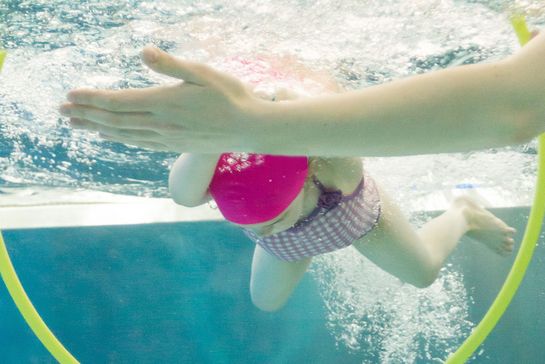 2026-05-19Researchers unveil the first digital system for measuring swimming ability – invitation to a practical demonstration on 28 May in Berlin. One in two children leaves primary school without being able to swim safely. At the same time, teachers delivering swimming lessons both in and out of school are…
 -
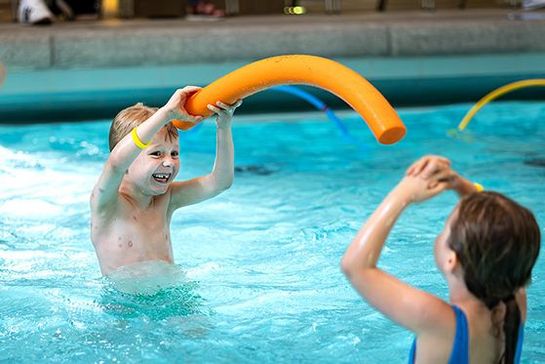 2026-06-01Closing symposium of the EuViS research project highlights the potential of digital diagnostics for promoting swimming among children One in two children leaves primary school without being able to swim confidently. At the same time, teachers delivering swimming lessons both in and out of school are…
 -
 2026-05-19At the German University Badminton Championships in Essen, students from the Wettkampfgemeinschaft Köln (WG: German Sport University Cologne, University of Cologne and TH Köln) once again put in strong performances and won a total of four medals. After the German Sport University Cologne had hosted…
 -
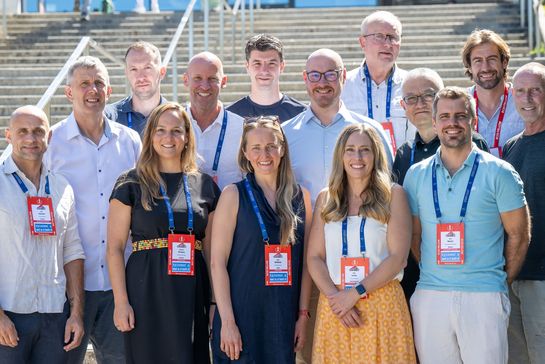 2026-07-30The European College of Sport Science (ECSS) has appointed Prof. Dr. Tobias Vogt to its Scientific Board. The director of the Institute for Teaching Competence in Sports , Department of Sports Didactics and Methodology, has been an ECSS Fellow since 2018 and a member of the Scientific Committee…