Institute
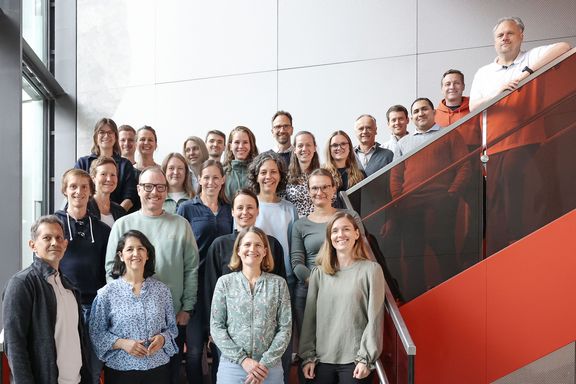
The Institute of Movement and Neuroscience at the German Sport University Cologne is divided into the following departments:
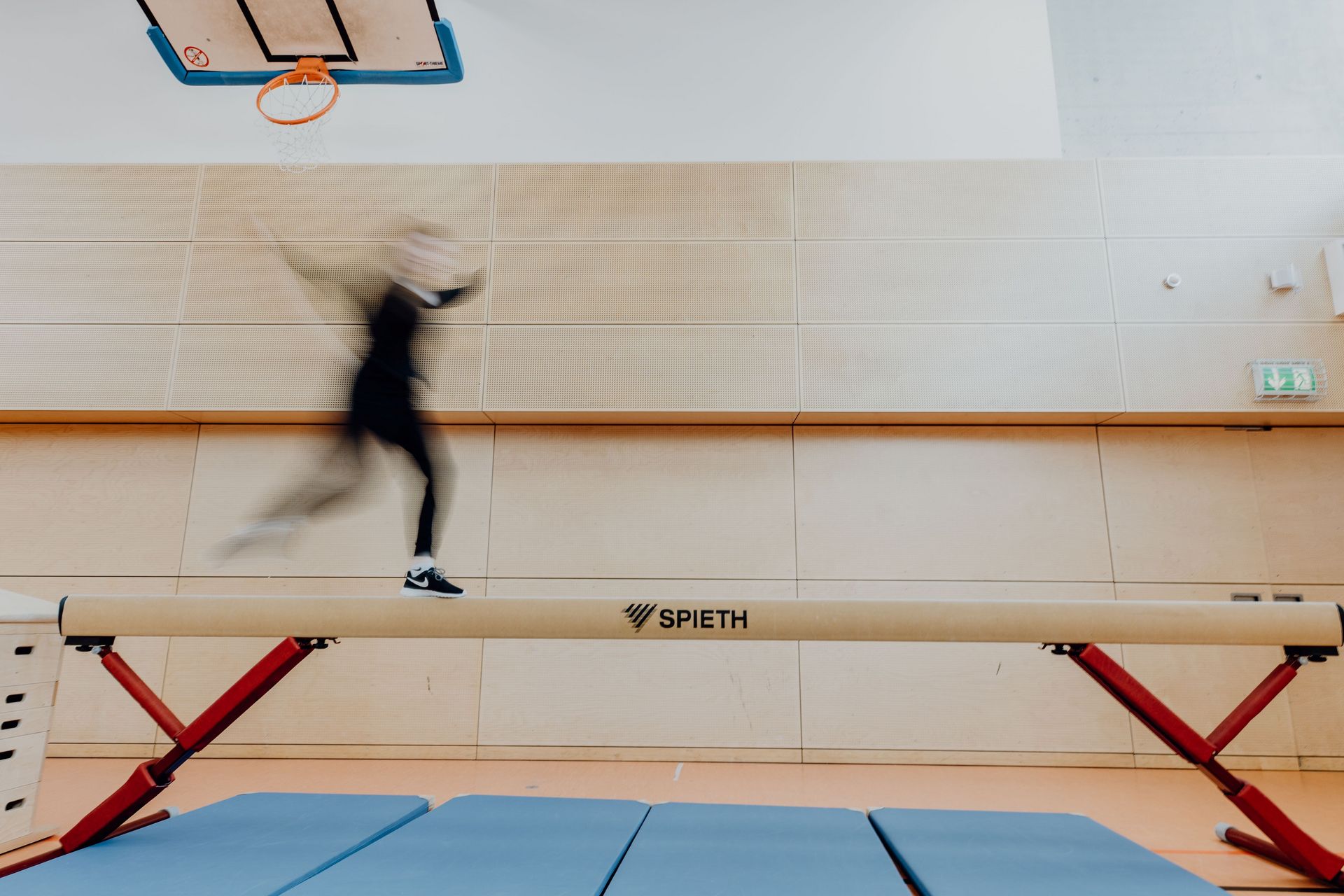
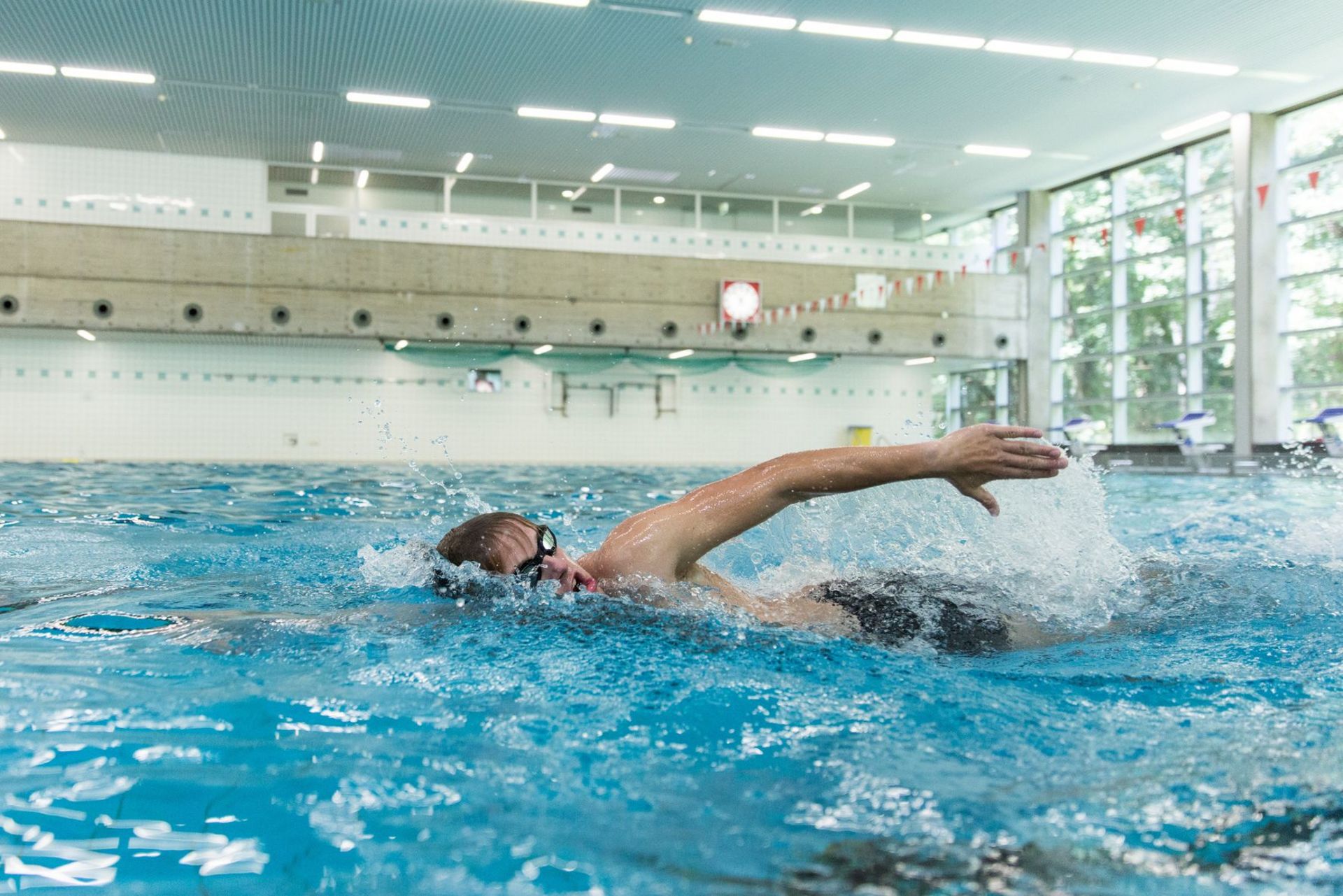
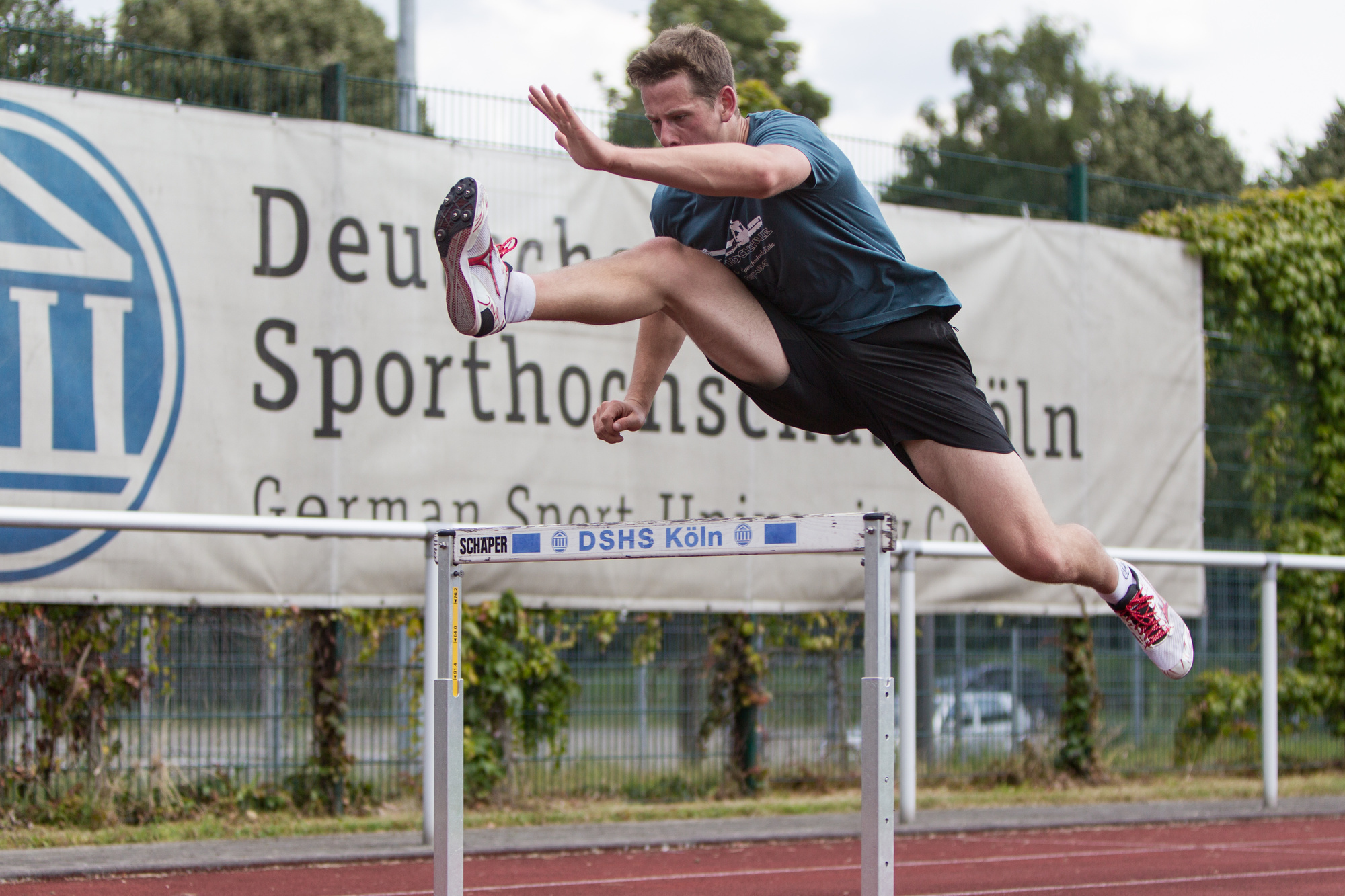
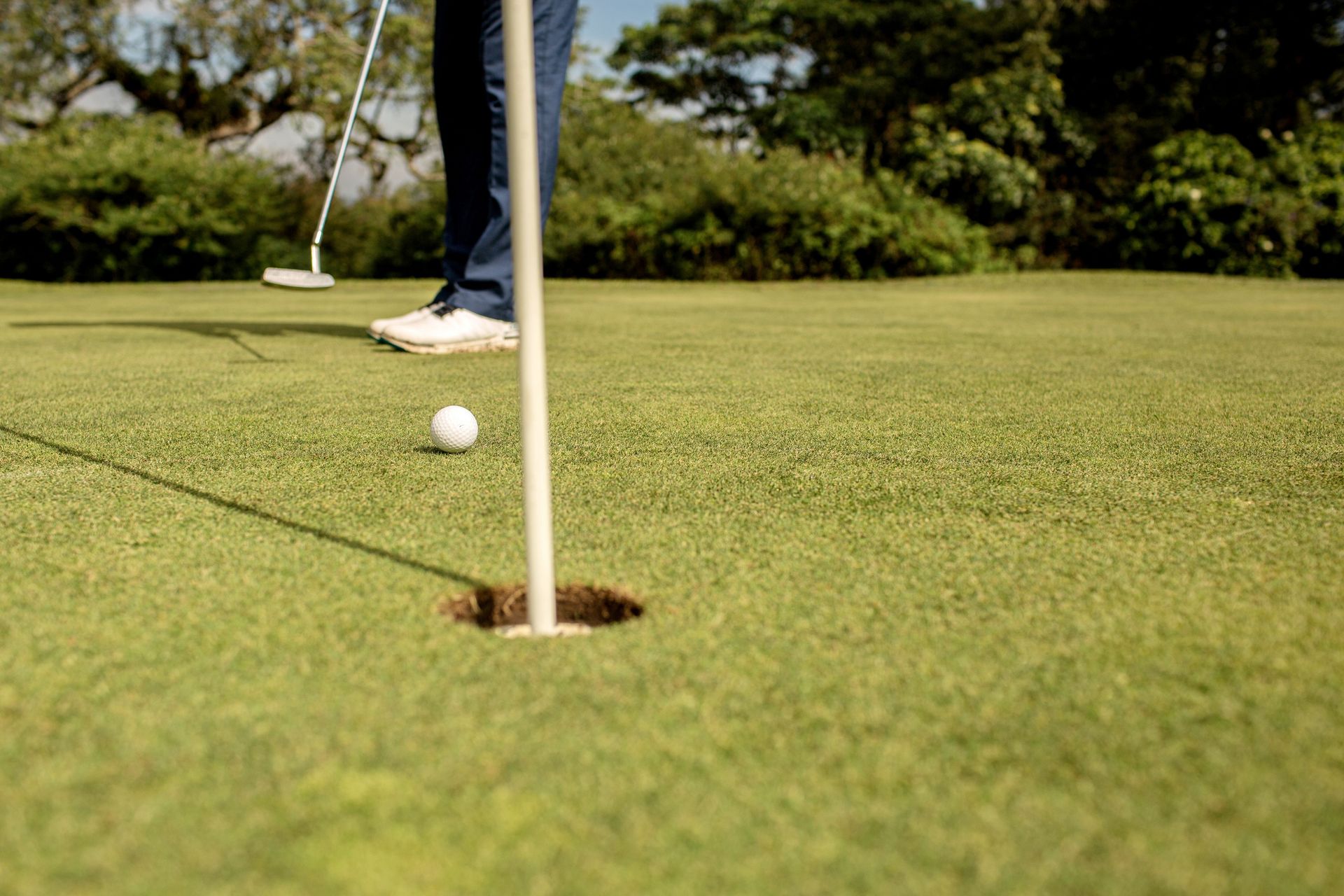
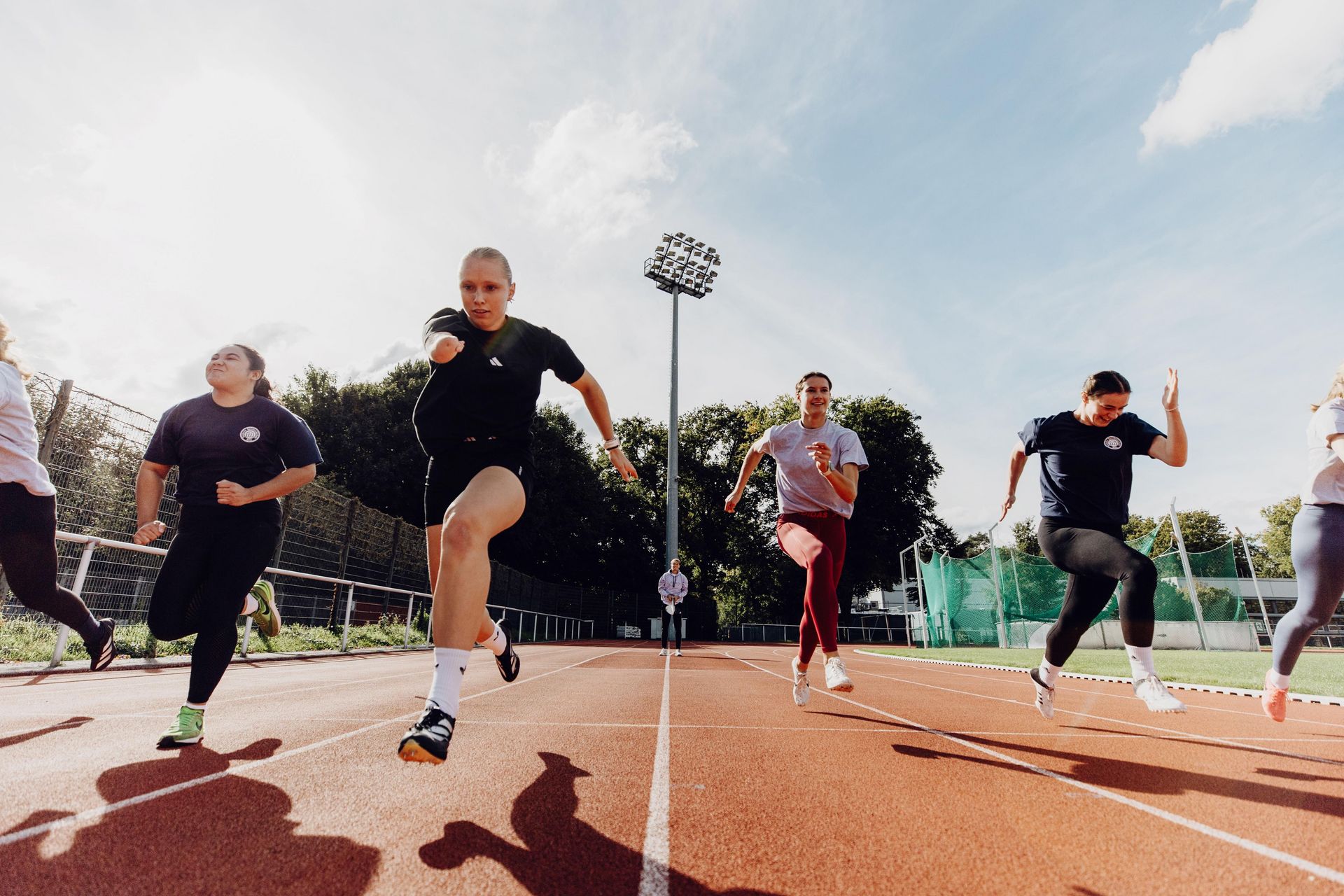
- Movement Technique, Motor Learning, and Media Didactics: Track and Field – Swimming – Gymnastics – Golf (I)
- Movement Neuroscience (II)
- Movement and Health Promotion (III) and
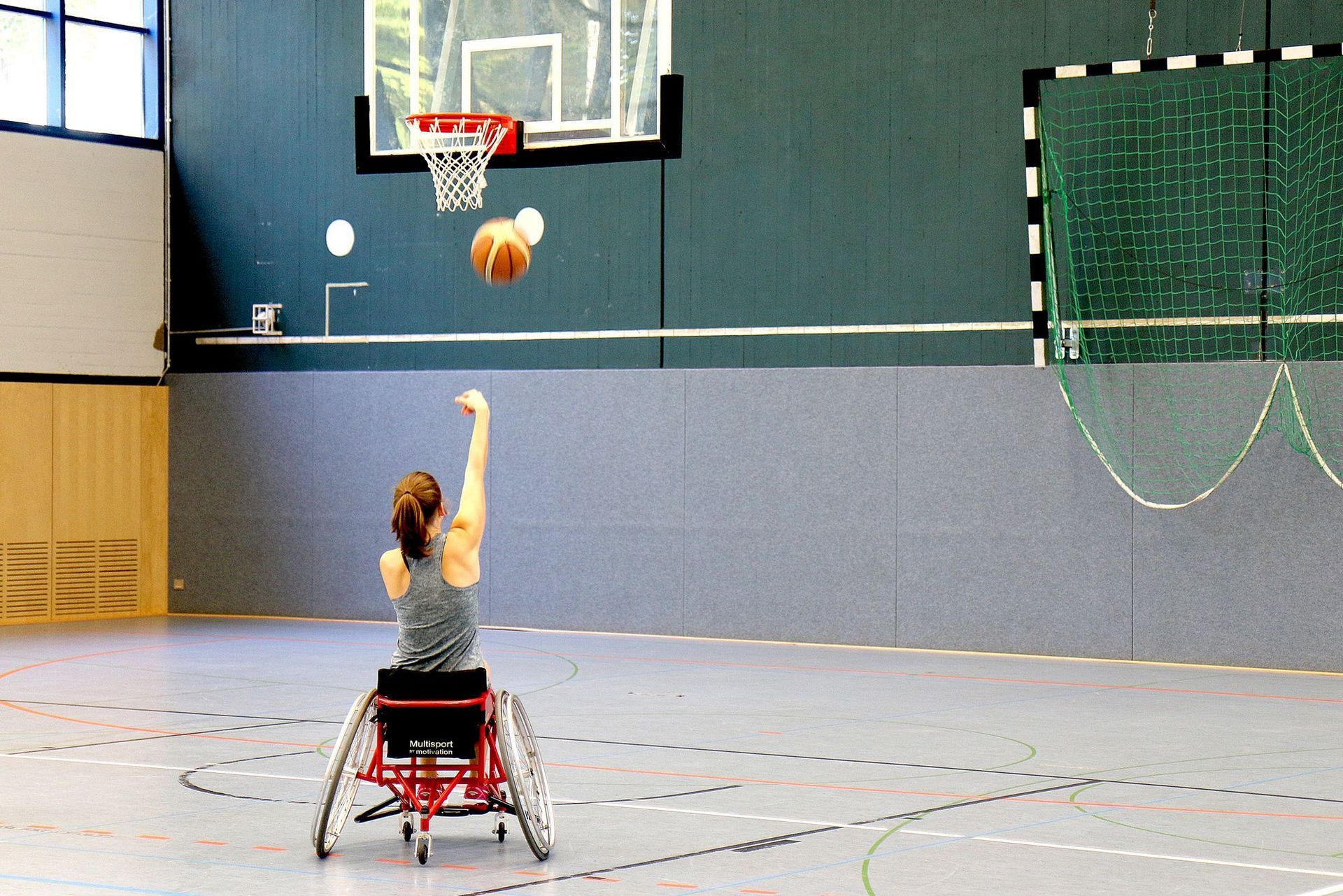
- Movement Rehabilitation, Neuromechanics, and Paralympic Sports (IV)
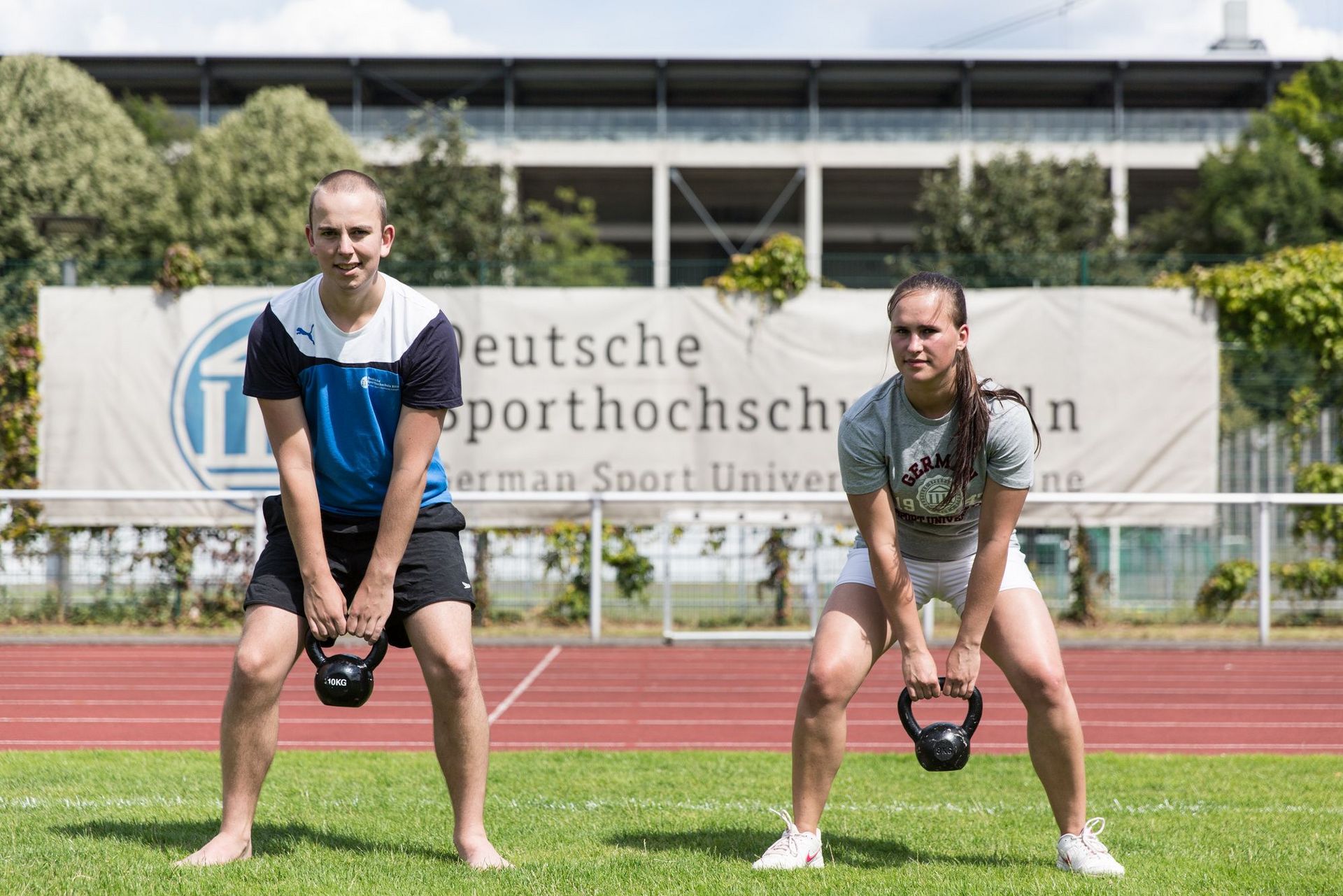
Department I focuses on the major types of motor stress — coordination, strength, speed, endurance, and flexibility — in track and field, swimming, gymnastics, and golf. Teaching and learning movements —particularly with and through digital media—play a central role in this context.
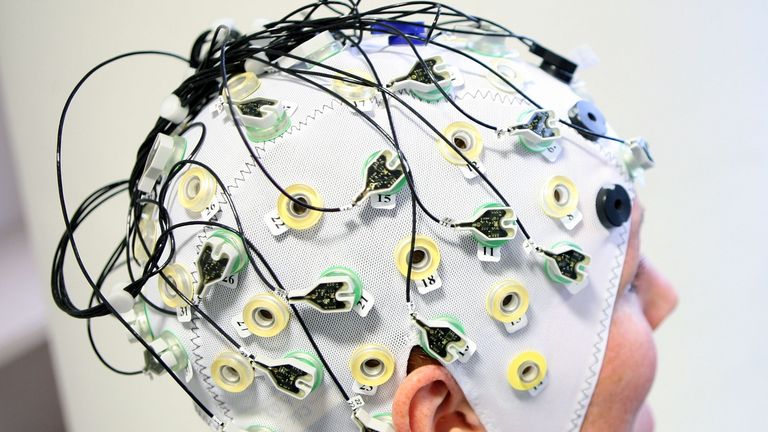
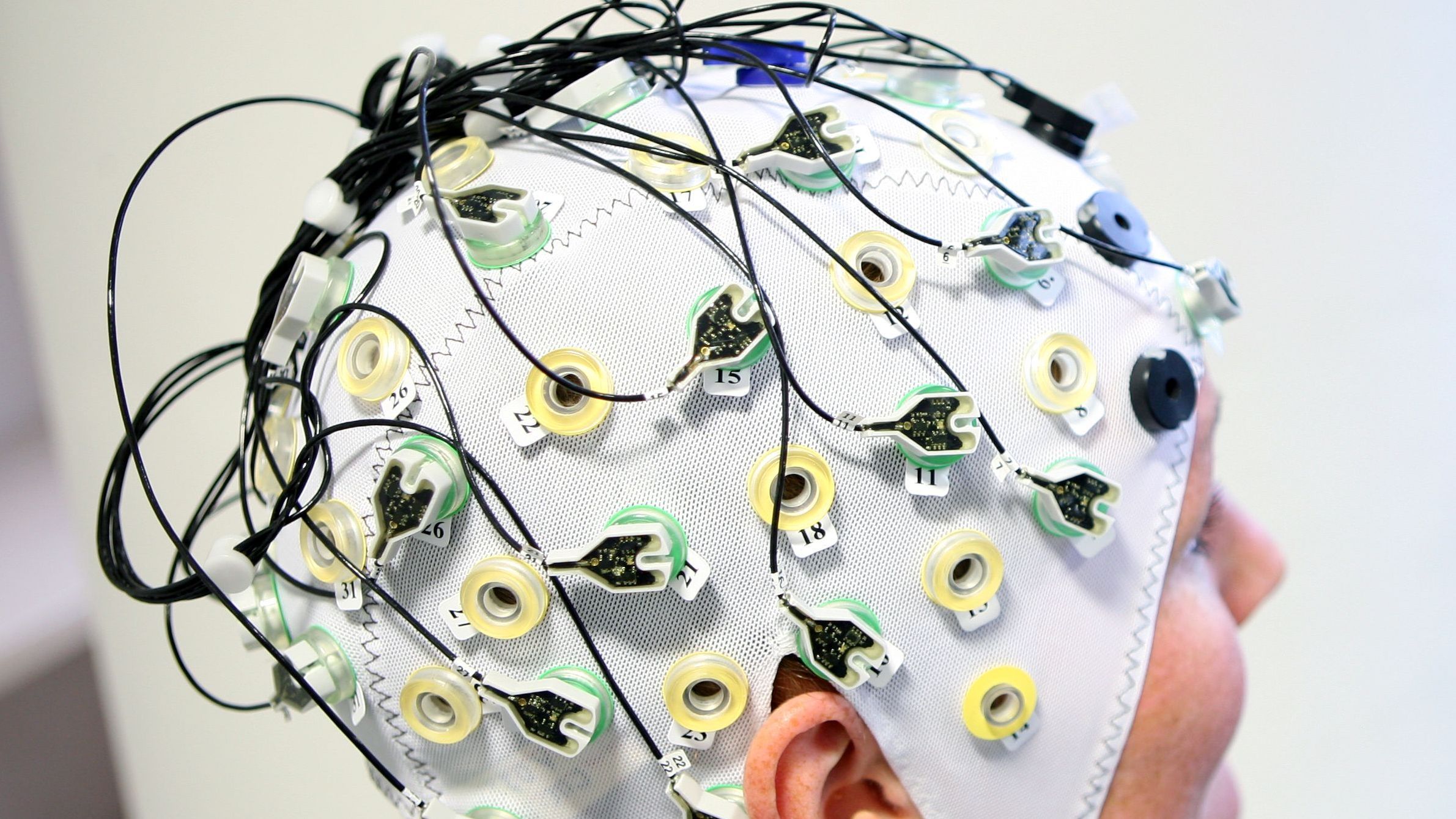
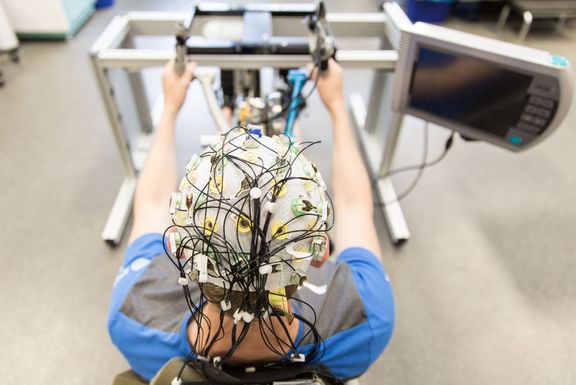
The primary focus of Department II is the analysis of the effects and interactions of physical activity and inactivity on the brain in trained and untrained individuals of various age groups and under specific environmental conditions.
The work in Department III focuses on the relationships between (in)active leisure activities and the motor development or performance, respectively, of children and adolescents.
Department IV addresses specific aspects of movement science ranging from rehabilitation to elite sports, particularly in Paralympic sports. Neuromechanics, an interdisciplinary approach within the field of movement research that combines methods and findings from neuroscience and human mechanics, serves as a central link here but also constitutes an independent field of research.